The Quiz Question
Which battle on the night of 13 to 14 June 1982, the final British assault before the Argentine surrender, saw 2 Para supported by light tanks of the Blues and Royals?
- A. Battle of Wireless Ridge
- B. Battle of Mount Longdon
- C. Battle of Goose Green
- D. Battle of Tumbledown
The answer is A. Battle of Wireless Ridge. Here is the full story.
On the night of 13–14 June 1982, the Falklands War was hours from its end. The Argentine garrison defending Port Stanley was exhausted, cold, and running short of everything that keeps an army fighting. But between the British paratroopers and the capital's rooftops lay one last ridgeline — and its defenders had no intention of giving it up without a fight.
Wireless Ridge was that ridgeline. Exposed, wind-blasted, and studded with machine gun positions, it was the final significant Argentine defensive obstacle standing between 2 Para and victory. What followed was a masterclass in combined arms warfare — and one of the most emotionally charged nights in modern British military history.
Background: The Falklands War in Its Final Week
Argentina had invaded the Falkland Islands on 2 April 1982. Britain's Task Force sailed within days, under the overall command of Admiral Sir John Fieldhouse, and what followed was a campaign fought across 8,000 miles of ocean at the very edge of logistical possibility.
British forces landed at San Carlos Bay on 21 May, then won a grinding, costly victory at Goose Green on 28–29 May. By early June, the advance had reached the high ground ringing Port Stanley. On the nights of 11–12 June, three major battles — Mount Longdon, Two Sisters, and Mount Harriet — punched through the outer Argentine defensive ring.
Argentine forces on the islands numbered roughly 9,000 troops. Many were poorly equipped conscripts, suffering in the brutal South Atlantic winter with inadequate clothing, dwindling rations, and collapsing morale. Their officers, however, still held commanding terrain, and terrain in the Falklands is everything.
British commanders planned a second wave of night assaults for 13–14 June. The objectives were Wireless Ridge (assigned to 2 Para), Mount Tumbledown (2nd Scots Guards), and Mount William (1/7th Gurkha Rifles). Together, these three actions would determine whether Stanley fell — or whether the fighting dragged on.
The Objective: What Was Wireless Ridge?
Wireless Ridge is a long, low ridgeline running roughly east to west, sitting approximately two miles north of Port Stanley. From its crest, soldiers could look directly down onto the town's rooftops and harbour. Controlling it meant controlling the approaches to the capital.
Its name came from the Royal Navy wireless station that operated there in the early twentieth century — a piece of infrastructure that had long since gone, leaving only the name behind. In military terms, the ridge itself was deceptively unremarkable: gentle slopes, open ground, and almost no natural cover for attacking troops.
The Argentine defenders were drawn primarily from the 7th Infantry Regiment, reinforced with heavy machine guns, air defence weapons, and 105mm recoilless rifles. Those gentle slopes, so harmless in peacetime, became killing ground the moment they were swept by automatic fire. A daylight assault would have been catastrophic. A night attack, properly supported, was the only viable option.
2 Para: A Battalion Tested by Goose Green
The 2nd Battalion, Parachute Regiment arrived at Wireless Ridge carrying the weight of what they had already endured. Just two weeks earlier, at Goose Green, they had fought one of the most remarkable battalion-level actions in British military history — outnumbered, without adequate artillery support for much of the battle, and losing their commanding officer in the process.
Lieutenant Colonel Herbert 'H' Jones was killed leading an attack on an Argentine trench line at Goose Green on 28 May 1982. He was posthumously awarded the Victoria Cross. Command passed to Major Chris Keeble, who secured the Argentine surrender the following day. By Wireless Ridge, a new commanding officer had arrived: Lieutenant Colonel David Chaundler, parachuted into the South Atlantic as a replacement — quite literally dropped into command of a battle-hardened battalion mid-campaign.
Chaundler planned a four-phase operation. The attack would move west to east across the ridge, with each of 2 Para's rifle companies taking successive objectives in turn. D Company would seize the first objective — a lower spur to the northwest — followed by A and B Companies pushing onto the main ridge. Critically, and unlike Goose Green, this time 2 Para would fight with the full weight of British firepower behind them.
The Blues and Royals: Armour Comes to the Falklands
Few people expected tanks to play any significant role in the Falklands. The islands' boggy, waterlogged terrain seemed to rule out armoured vehicles entirely. But the Blues and Royals — the Royal Horse Guards and 1st Dragoons — had deployed a troop of Scorpion and Scimitar light reconnaissance vehicles with the Task Force, and those vehicles were about to prove their worth.
The Scorpion carried a 76mm gun; the Scimitar mounted a 30mm Rarden cannon. Both were devastatingly effective against infantry positions, light vehicles, and crew-served weapons. More importantly, each vehicle weighed only around eight tonnes — light enough to pick a careful path across ground that would have swallowed a Chieftain main battle tank without trace.
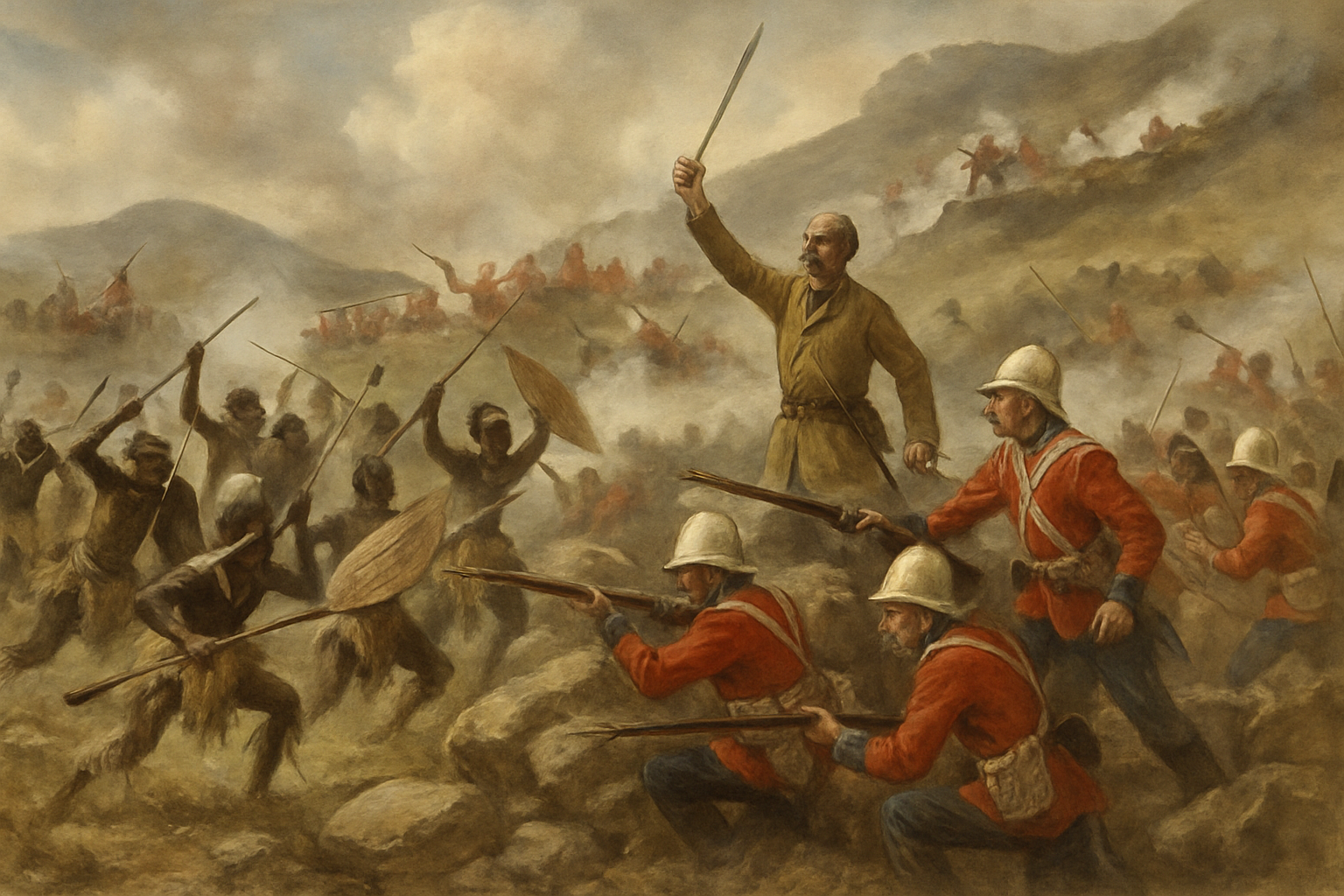
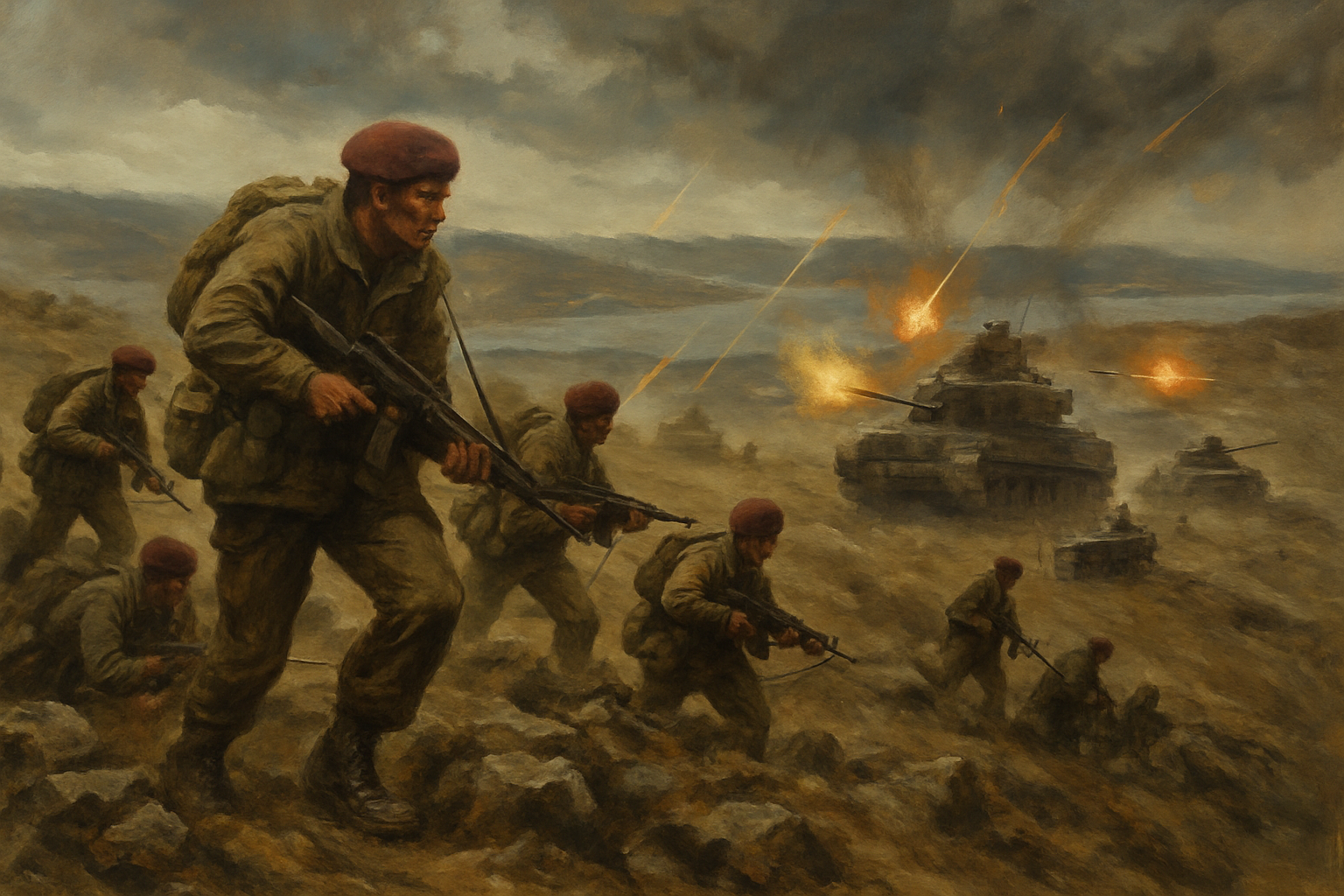
At Wireless Ridge, the Blues and Royals drove along the flanks of the advancing companies, their guns engaging Argentine positions in real time and suppressing fire that would otherwise have pinned the paratroopers in the open. It was the first time British armour had been used in direct combat support since the Korean War, and the effect on the battle — and on Argentine morale — was profound. Officers of 2 Para later described the tanks' contribution as simply devastating.
The Battle: Phase by Phase Through the Night
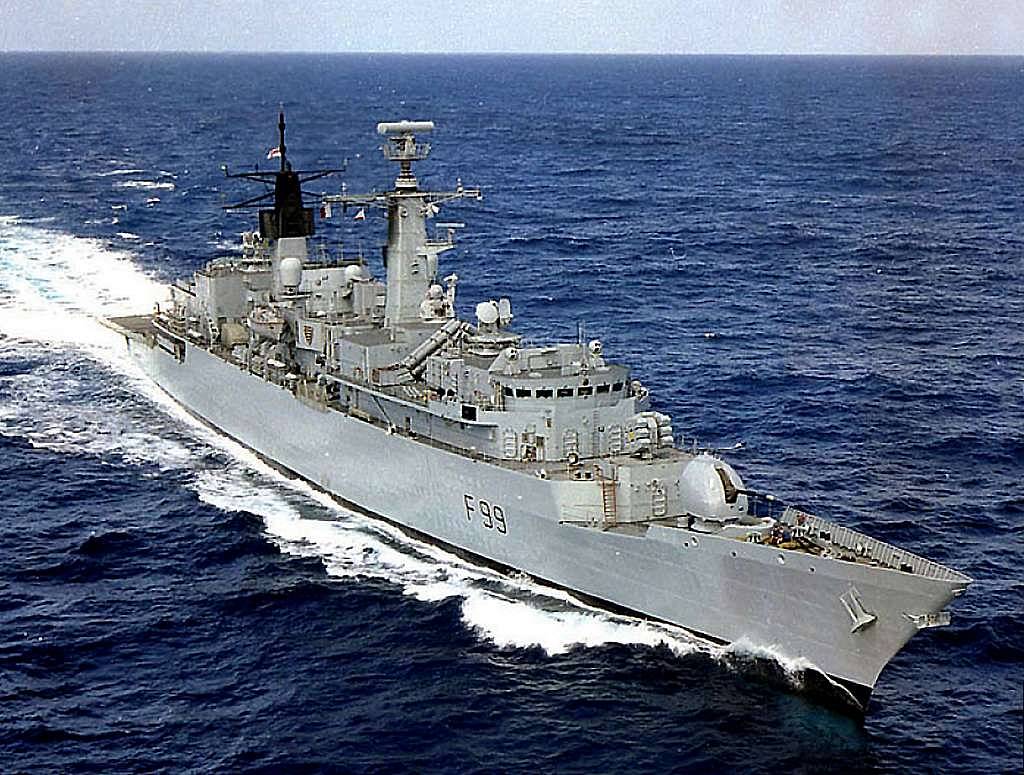
H-Hour was set for 0001 hours on 14 June 1982. The attack opened with a coordinated barrage from 4 Field Regiment, Royal Artillery, supplemented by naval gunfire from HMS Ambuscade lying offshore. The noise and concussion of that opening bombardment announced, unmistakably, that something very large was beginning.
D Company went in first, clearing the northwestern spur with speed and aggression. Prisoners were taken; bunkers were cleared. The first objectives fell more quickly than expected. Then A and B Companies moved onto the main ridge, the Scorpions and Scimitars grinding forward on the flanks, their muzzle flashes strobing through the darkness.
Argentine resistance was real and determined in places. Heavy machine gun fire and mortars caused casualties, and crossing the open ground between objectives demanded every ounce of training and nerve the paratroopers possessed. But the combination of well-planned fire support, experienced infantry, and the utterly unexpected appearance of armoured vehicles in the dark proved too much to withstand.
By approximately 0615 hours on 14 June, all objectives were in British hands. 2 Para's casualties were three killed and eleven wounded — a fraction of the toll at Goose Green. That difference was not luck. It was firepower, planning, and the hard lessons learned two weeks earlier put ruthlessly into practice.
The Human Stories: Courage Under Fire
Behind the operational narrative lie the individual moments that define what battle actually costs. Three men of 2 Para died on Wireless Ridge that night. Their names are commemorated on the 2 Para memorial in Aldershot, a permanent reminder that final victories are never free.
Lieutenant Colonel Chaundler commanded from close to the front throughout the night, maintaining radio contact with all companies and adjusting the plan in real time as the situation developed. That kind of adaptive, forward leadership — so central to parachute regiment culture — was a significant factor in keeping the attack's momentum going when Argentine fire threatened to slow it.
Medics worked through the darkness treating casualties under fire, with the regimental aid post pushed forward to reduce evacuation distances across exposed open ground. The care given to wounded men, often in brutal conditions, was part of the same discipline and professionalism that won the ridge.
Argentine prisoners taken during the battle later described the psychological shock of facing armoured vehicles in darkness — something their training had never prepared them for. The sight and sound of Scorpions and Scimitars moving through the night, guns firing, was a dimension of the battle they simply had no answer to.
And then, as grey dawn crept over the South Atlantic, soldiers on the crest of Wireless Ridge looked south and saw something extraordinary: white flags rising above Port Stanley. The emotional weight of that moment — exhausted men, some still bleeding, watching the war end below them — is difficult to overstate.
Surrender: The Hours After Wireless Ridge Fell
With Wireless Ridge, Mount Tumbledown, and Mount William all secured by the morning of 14 June, the Argentine defensive perimeter around Stanley had collapsed entirely. There was no tenable ground left to defend. The road into town was open.
Argentine commander General Mario Menéndez formally surrendered to Major General Jeremy Moore at 2359 hours local time on 14 June 1982 — just hours after the last shots were fired on Wireless Ridge. The surrender document covered all Argentine forces on both the Falkland Islands and South Georgia. Approximately 9,800 Argentine troops laid down their arms.
British losses across the entire campaign totalled 255 killed. Argentine losses were approximately 649 killed, with many hundreds more wounded on both sides. Those numbers sit behind every tactical account as a reminder of what was at stake across those ten weeks of fighting.
2 Para were among the first British troops to march into Port Stanley — down the main street, in a moment that reverberated around the world and produced some of the most enduring images of the campaign.
Legacy: Why Wireless Ridge Still Matters
Wireless Ridge was not the largest battle of the Falklands War, nor the most costly. But it demonstrated, with unusual clarity, the decisive value of combined arms warfare — infantry, armour, artillery, and naval gunfire coordinated into a single, mutually supporting whole. Those lessons were absorbed directly into British Army doctrine and continue to shape how the Army trains and fights today.
The battle also cemented 2 Para's reputation as one of the finest light infantry battalions in the world. Having fought two major engagements in a fortnight, under two different commanding officers, against prepared defences — and having won both — the battalion carried home a legacy that defines the Parachute Regiment's identity to this day.
The Blues and Royals' performance at Wireless Ridge and elsewhere in the campaign challenged settled assumptions about what light armour could achieve in difficult terrain. Their deployment influenced thinking about how reconnaissance vehicles should be used in subsequent operations, from the Gulf to Afghanistan.
At a broader level, the Falklands campaign reinvigorated British military confidence after a difficult decade of defence cuts and institutional uncertainty. Wireless Ridge — as the campaign's last significant battle — holds a particular place in that story. It was where the fighting finally, definitively, ended.
Every year on 14 June, the Falkland Islands celebrate Liberation Day. For many veterans of 2 Para and the Blues and Royals, Wireless Ridge is not history — it is the defining night of their lives, measured in cold, darkness, fear, and the extraordinary relief of dawn.
If this story moved you, or if you have a personal connection to the Falklands campaign — perhaps a family member who served — we'd love to hear from you in the comments below. Share this article with anyone who deserves to know what happened on that ridge in the South Atlantic winter of 1982.
Further Reading
- Imperial War Museum — holds extensive Falklands War collections including personal accounts, photographs, and unit records
- The National Archives, Kew — official British government and military documents from the 1982 campaign
- The Airborne Assault Museum, Duxford — dedicated to the history of the Parachute Regiment and Airborne Forces, including Falklands material
- National Army Museum, London — holds collections relating to British Army operations in the Falklands, including the role of armoured units
- Falklands Conservation and the Falkland Islands Museum and National Trust, Stanley — preserve the islands' history and the memory of the 1982 conflict from the perspective of the islanders themselves