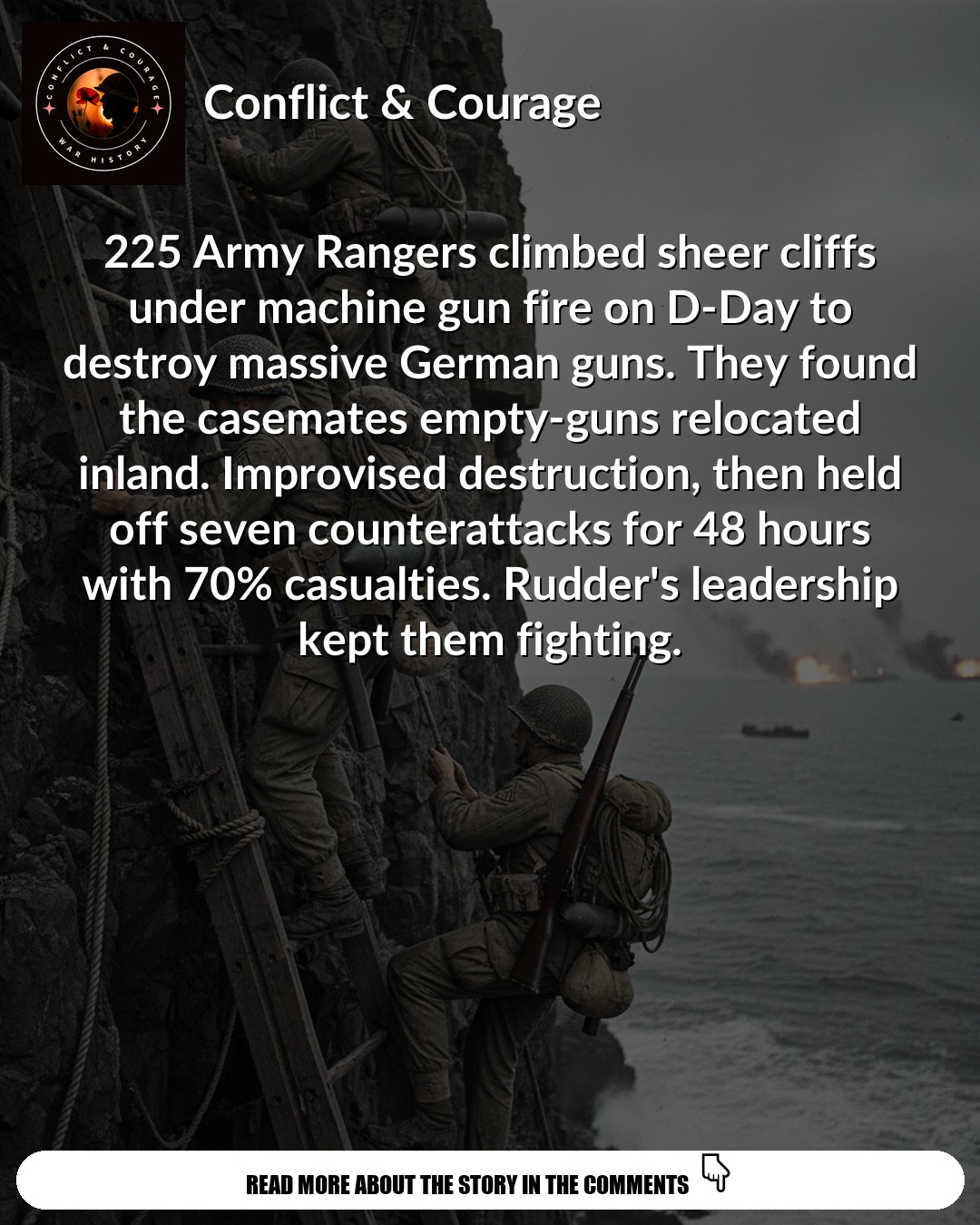
Everyone remembers Omaha and Utah beaches from D-Day, but 225 US Rangers faced an even more daunting challenge. At Pointe du Hoc, they had to scale 100-foot limestone cliffs under withering enemy fire to silence German guns that could devastate the Allied invasion fleet. What happened next became one of the most extraordinary special operations missions in military history.
The Mission That Seemed Impossible
Perched atop towering cliffs between Utah and Omaha beaches, Pointe du Hoc housed six massive 155mm German guns with a range of 25,000 yards. These artillery pieces could rain death on Allied ships and troops landing on both invasion beaches. Intelligence photos showed concrete bunkers and fortified positions that made this clifftop fortress nearly impregnable.
The strategic math was simple but terrifying. If those guns remained operational, they could sink landing craft, destroy supply ships, and turn the invasion beaches into killing fields. Allied planners knew Pointe du Hoc had to be neutralized before H-Hour, but the German defenders had chosen their position perfectly.
Rising straight up from the English Channel, the limestone cliffs offered natural protection that seemed insurmountable. German engineers had reinforced this advantage with machine gun nests, mortar positions, and enough ammunition to repel any conventional assault. Only one unit had the training and courage to attempt the impossible.
Rangers Ready: Training for the Vertical Battlefield
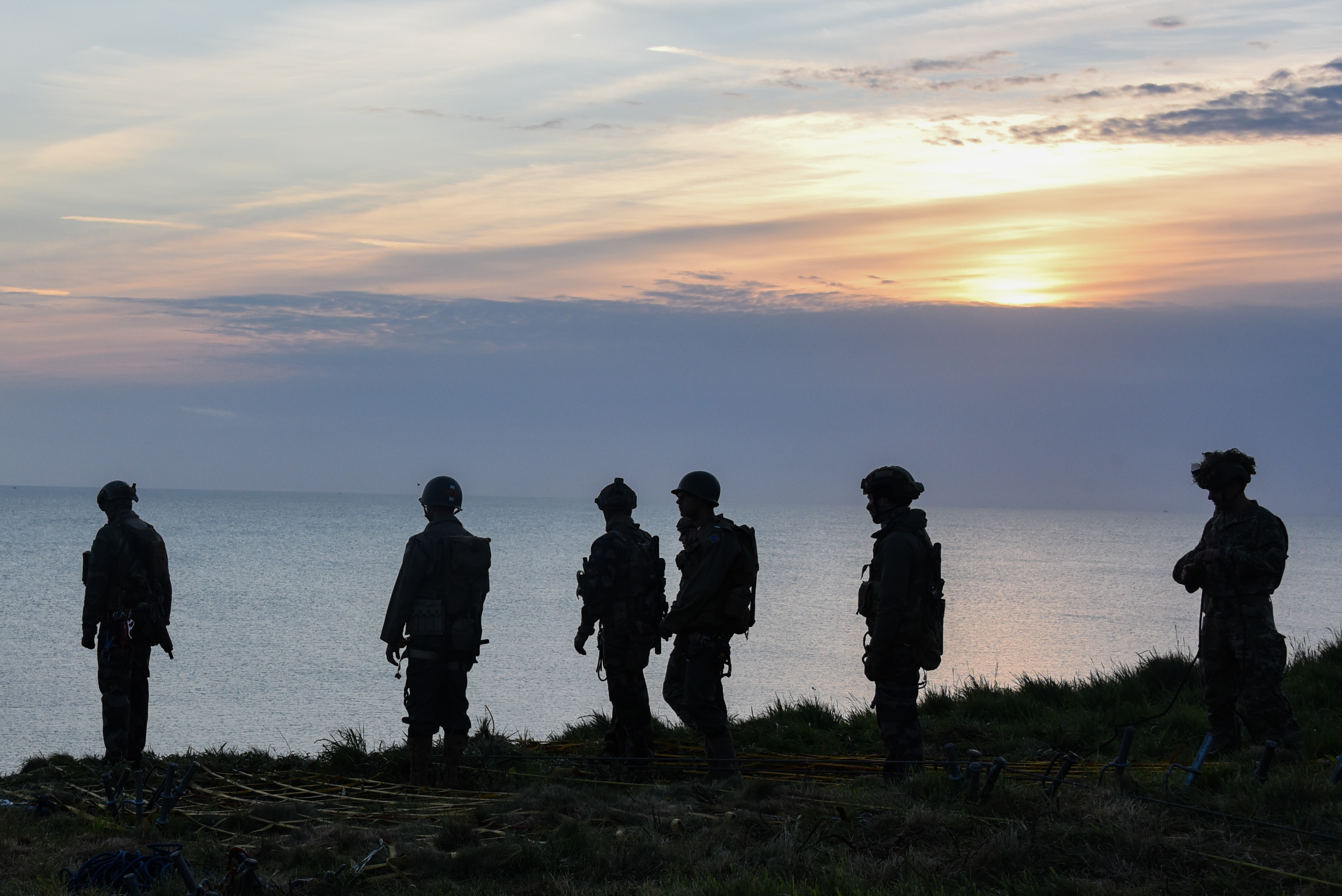
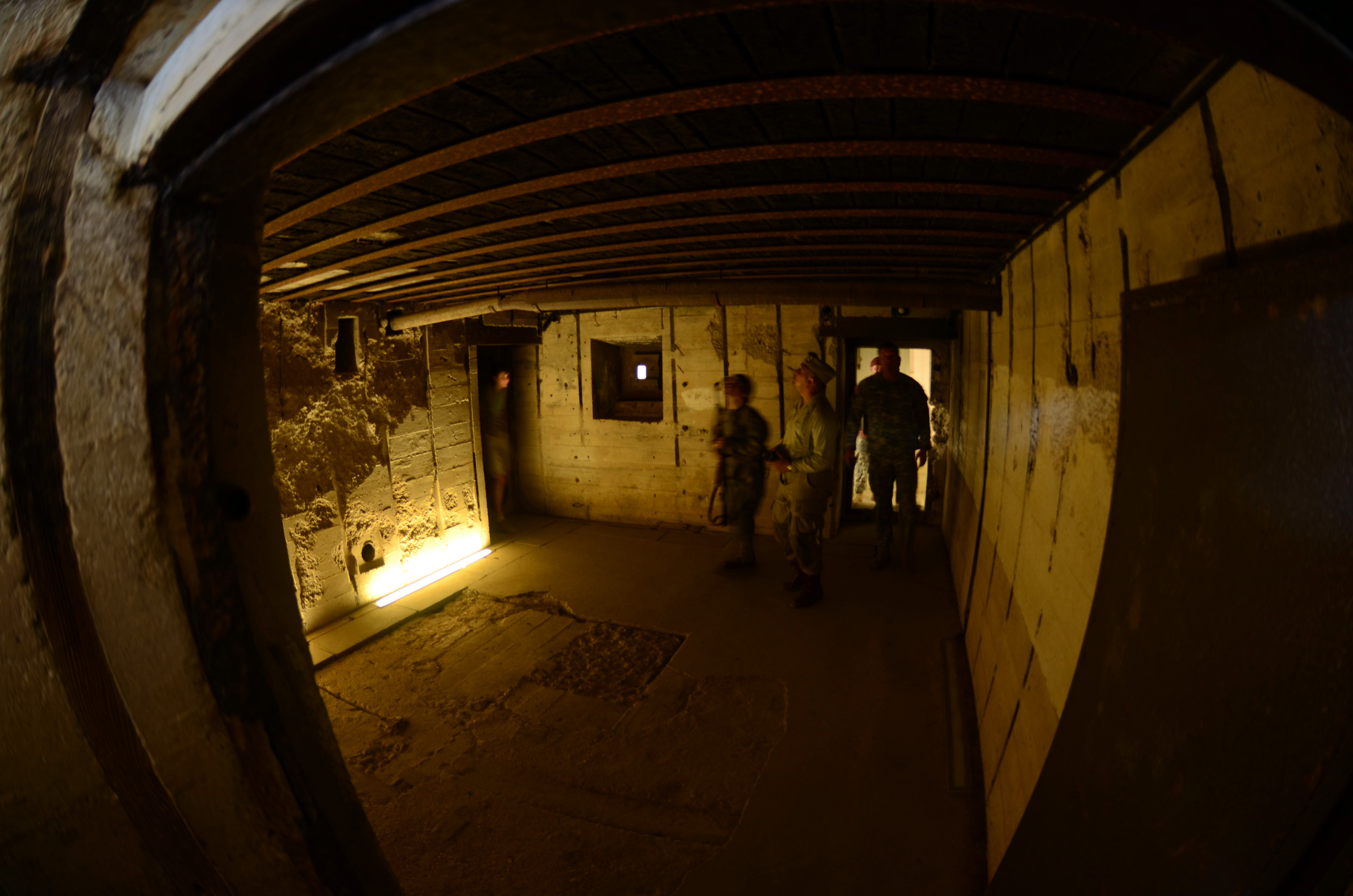
Colonel James Rudder's 2nd and 5th Ranger Battalions represented America's finest special operations troops. These elite soldiers had trained for months on the cliffs of Dorset and the Isle of Wight, perfecting techniques that had never been attempted in combat. Their specialized equipment included rocket-fired ropes, extendable ladders, and even tommy guns modified for cliff climbing.
Rudder knew the odds. His Rangers would have to scale vertical rock faces while German defenders dropped grenades and poured machine gun fire down on them. The margin for error was zero – any delay would allow German artillery to devastate the invasion fleet.
Training couldn't replicate the terror of combat, but it built the muscle memory and confidence these Rangers would need. They practiced climbing in full gear, learned to fight while hanging from ropes, and developed the split-second coordination that might keep them alive. Still, nothing could prepare them for what awaited at Pointe du Hoc.
H-Hour Chaos: When Everything Goes Wrong
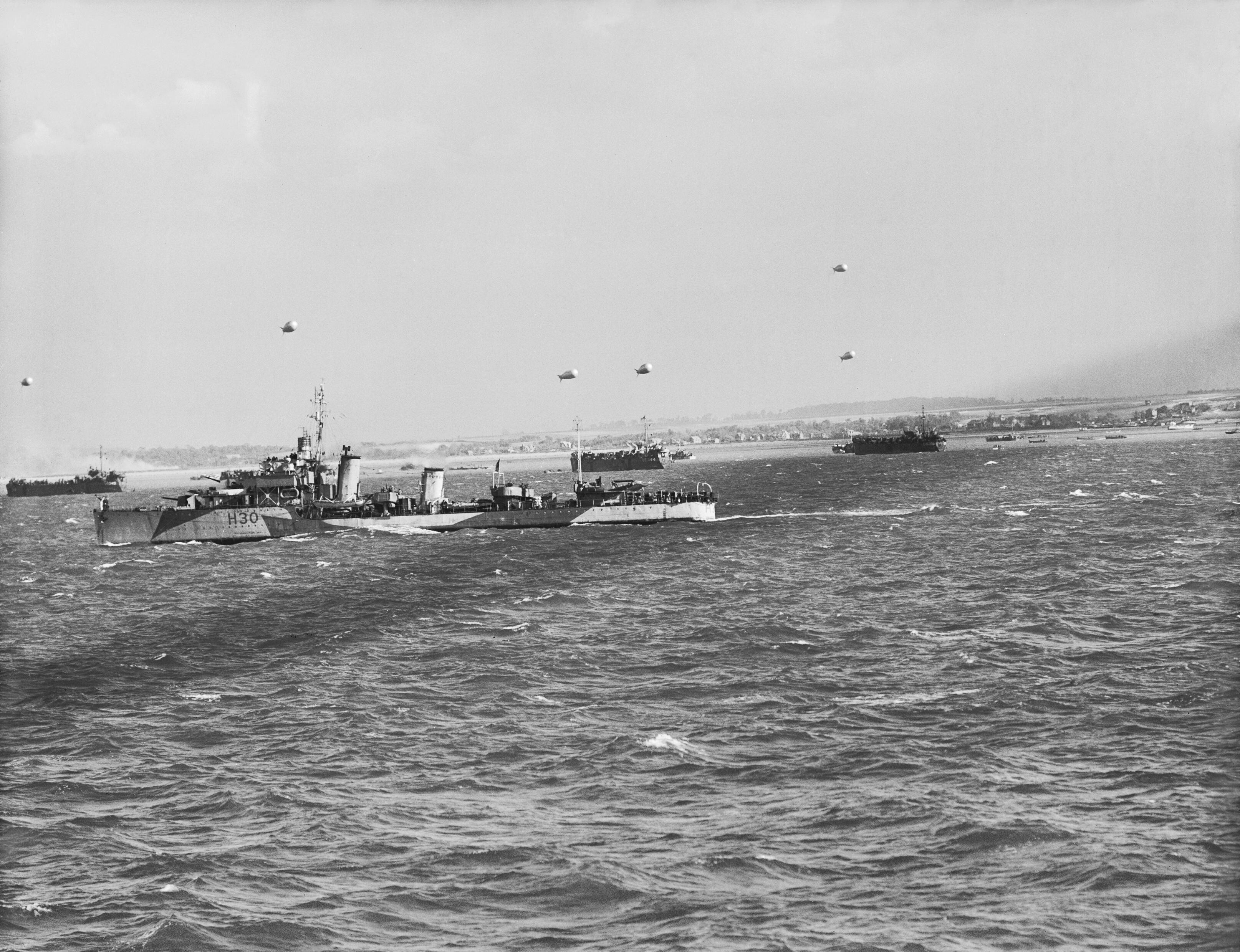
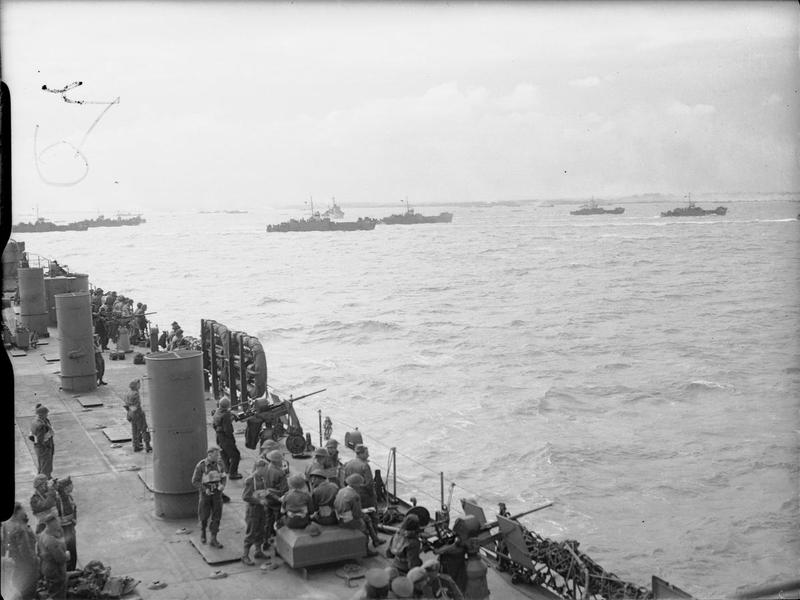
Pre-dawn navigation errors nearly doomed the mission before it began. Strong currents and poor visibility in the English Channel pushed the Rangers' landing craft off course, delaying their assault by crucial minutes. German defenders had more time to prepare, and daylight would soon expose the climbing Rangers to devastating fire.
As the first Rangers reached the base of the cliffs, German soldiers appeared at the top like deadly shadows. Grenades exploded among the assault boats while machine gun bullets sparked off the limestone. Rangers grabbed rocket-fired ropes that fell short, improvised with grappling hooks, and drove bayonets into cliff faces when all else failed.
The 30-minute climb became a vertical nightmare. Rangers pulled themselves up hand over hand while comrades fell into the churning surf below. Some used knives to cut German ropes, others fired tommy guns one-handed while clinging to rockfaces. Those who reached the top found the real battle had just begun.
The Shocking Discovery at the Top
After losing so many men in the cliff assault, the Rangers faced a devastating surprise. The massive 155mm guns were wooden dummies – elaborate decoys designed to fool Allied reconnaissance. German engineers had moved the real artillery pieces inland, hidden in apple orchards where aerial photography couldn't detect them.
But Rudder's Rangers didn't give up. Small teams pushed deeper into enemy territory, hunting for the real gun positions while German counterattacks tried to drive them back over the cliffs. In a display of tactical brilliance, they located and destroyed the hidden artillery pieces with thermite grenades.
This discovery revealed the sophistication of German defensive planning, but also highlighted the Rangers' adaptability under fire. What could have been a mission-ending setback became proof of their elite training and determination.
Holding the Line: Two Days of Hell
With their primary objective accomplished, the Rangers faced a new nightmare. German reinforcements launched repeated counterattacks to recapture Pointe du Hoc, while ammunition ran low and casualties mounted. Of the 225 Rangers who began the mission, only 42 remained combat-effective after the first day.
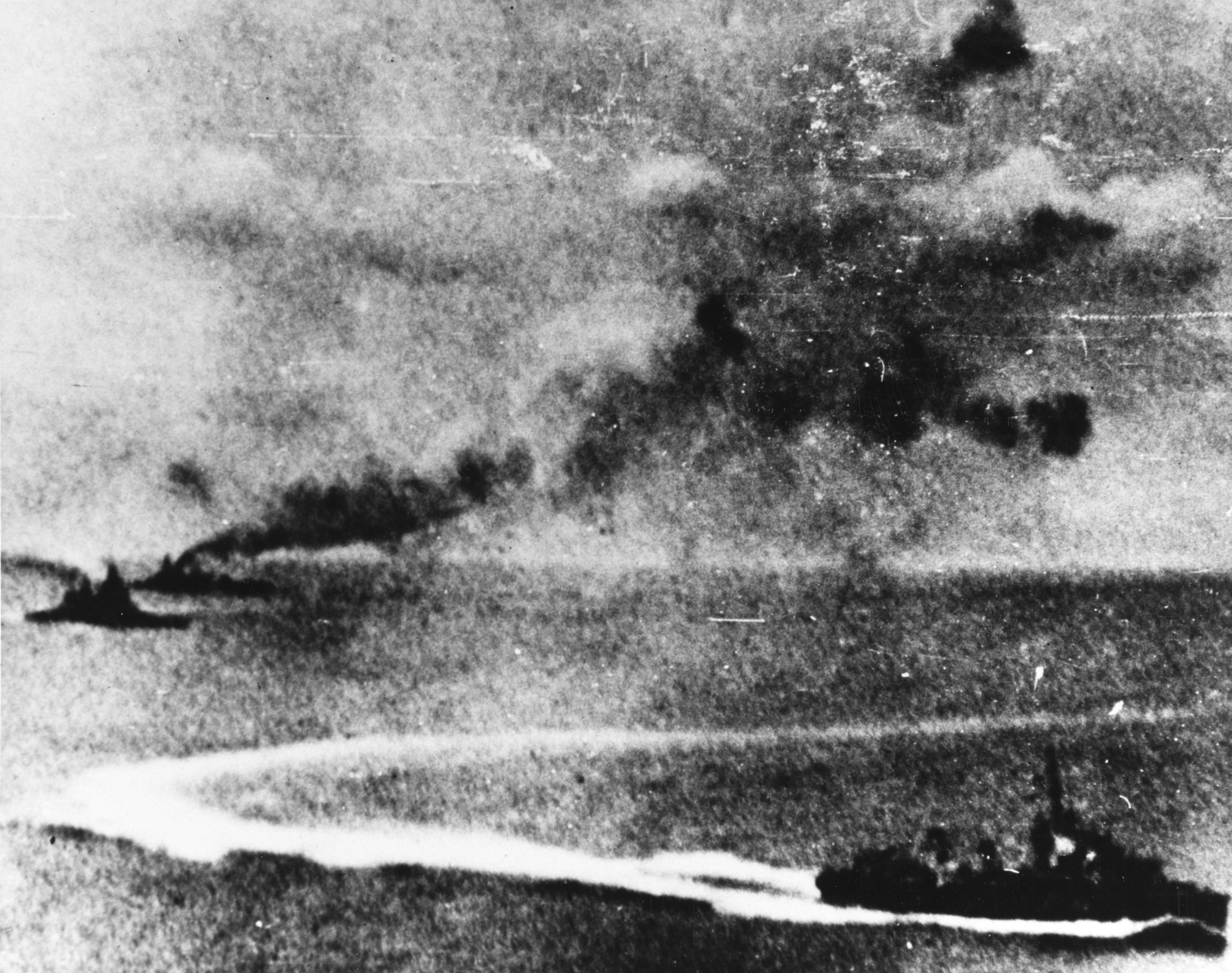
Naval gunfire support from the USS Satterlee kept German armor at bay, but the Rangers had to hold their positions using captured German weapons and sheer determination. They turned German bunkers into defensive positions and used the same cliffs that nearly killed them as protection against counterattacks.
For two desperate days, this handful of elite soldiers held a strategic position that dozens of times their number had failed to retake. Their sacrifice bought precious time for the invasion to gain momentum on the beaches below.
Heroes and Heartbreak: The Human Cost
Individual acts of heroism at Pointe du Hoc rivaled the greatest stories in military history. Rangers like First Sergeant Leonard Lomell, who single-handedly destroyed two of the hidden guns, displayed the same extraordinary courage that defined heroes like Desmond Doss at Hacksaw Ridge.
The casualty rate told the brutal truth about this mission. Of 225 Rangers who started the assault, fewer than 50 could still fight when relief finally arrived. Families across America would receive telegrams that began with the dreaded words, "We regret to inform you..."
Yet their sacrifice wasn't in vain. The German guns that could have devastated the D-Day landings lay destroyed, and the Rangers had proven that even impossible missions could succeed with enough courage and determination.
Legacy of the Cliff Climbers
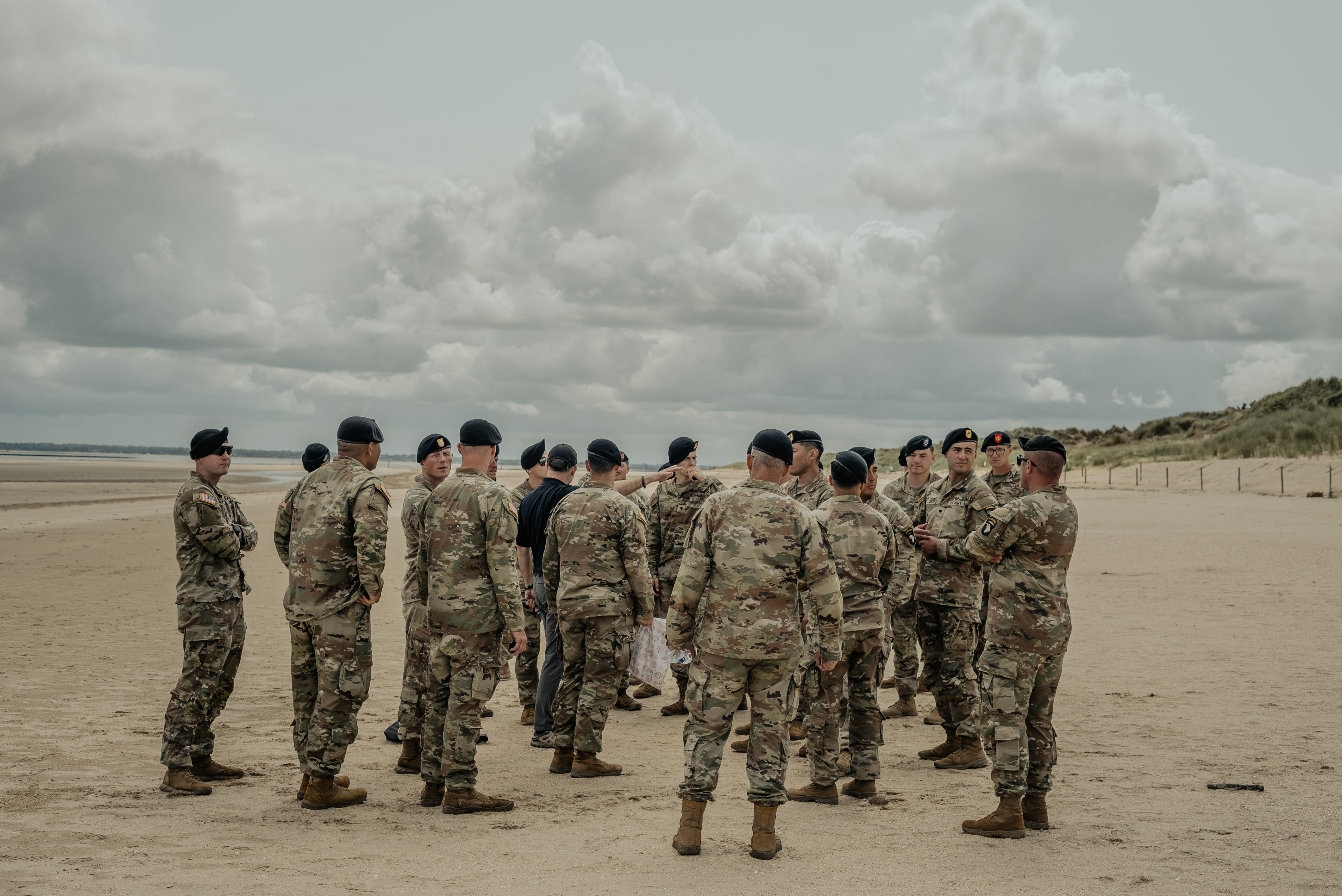
Today, visitors to Pointe du Hoc can walk among the preserved German bunkers and bomb craters that mark this battlefield. The Ranger Monument stands as a testament to the men who scaled these cliffs when failure meant the possible collapse of Operation Overlord.
The tactical lessons from Pointe du Hoc influenced special operations doctrine for decades. The mission proved that elite units could accomplish objectives far beyond their numbers, but also highlighted the importance of intelligence, specialized equipment, and unwavering leadership under fire.
Most importantly, Pointe du Hoc reminds us that D-Day's success required not just massive logistics and overwhelming force, but also small units of extraordinary men willing to attempt the impossible. The Rangers who climbed those cliffs under fire earned their place among America's greatest warriors.
What aspects of the Pointe du Hoc assault do you find most remarkable? Share your thoughts about these Rangers' incredible courage, and help us honor the memory of those who made the ultimate sacrifice for freedom on the cliffs of Normandy.