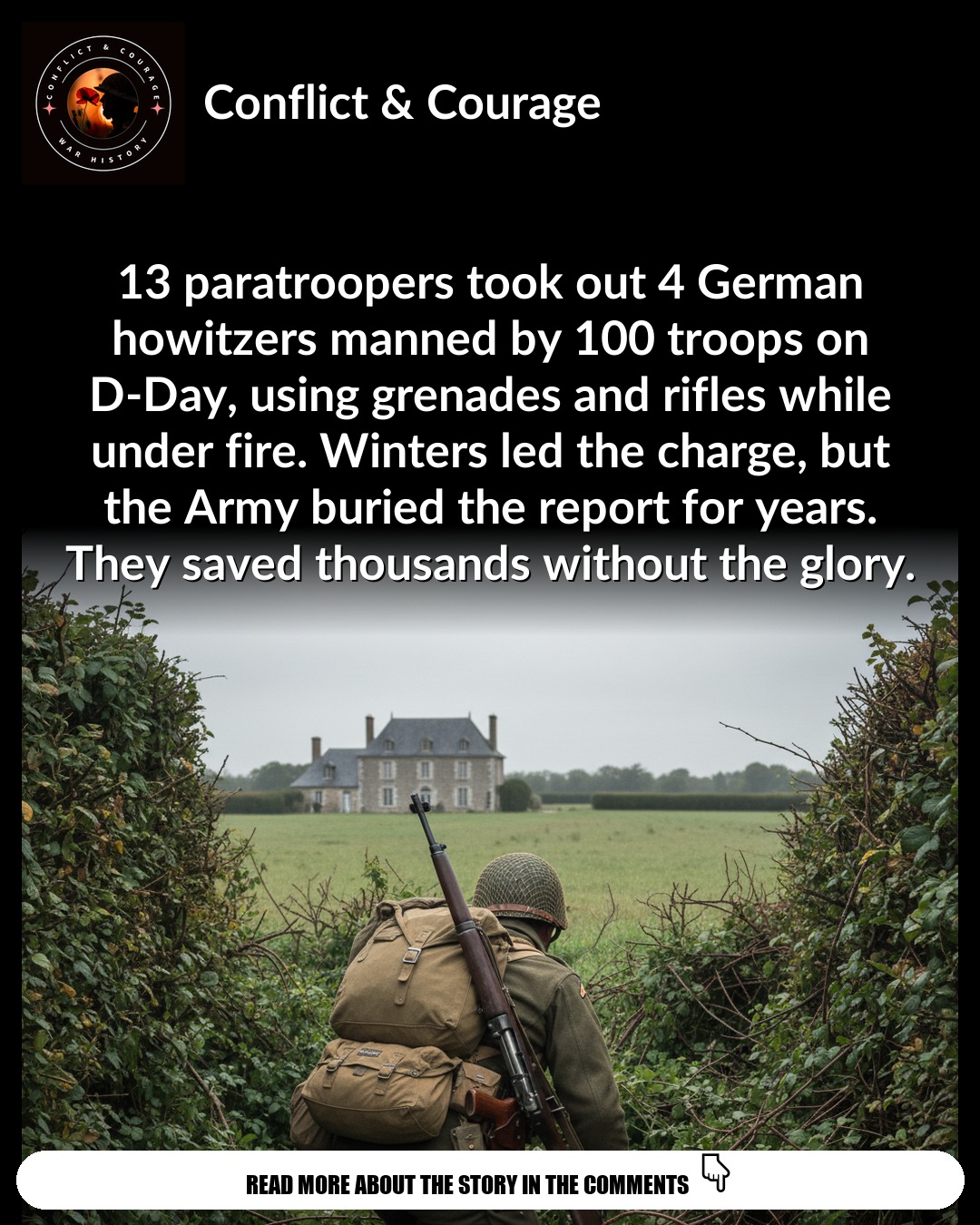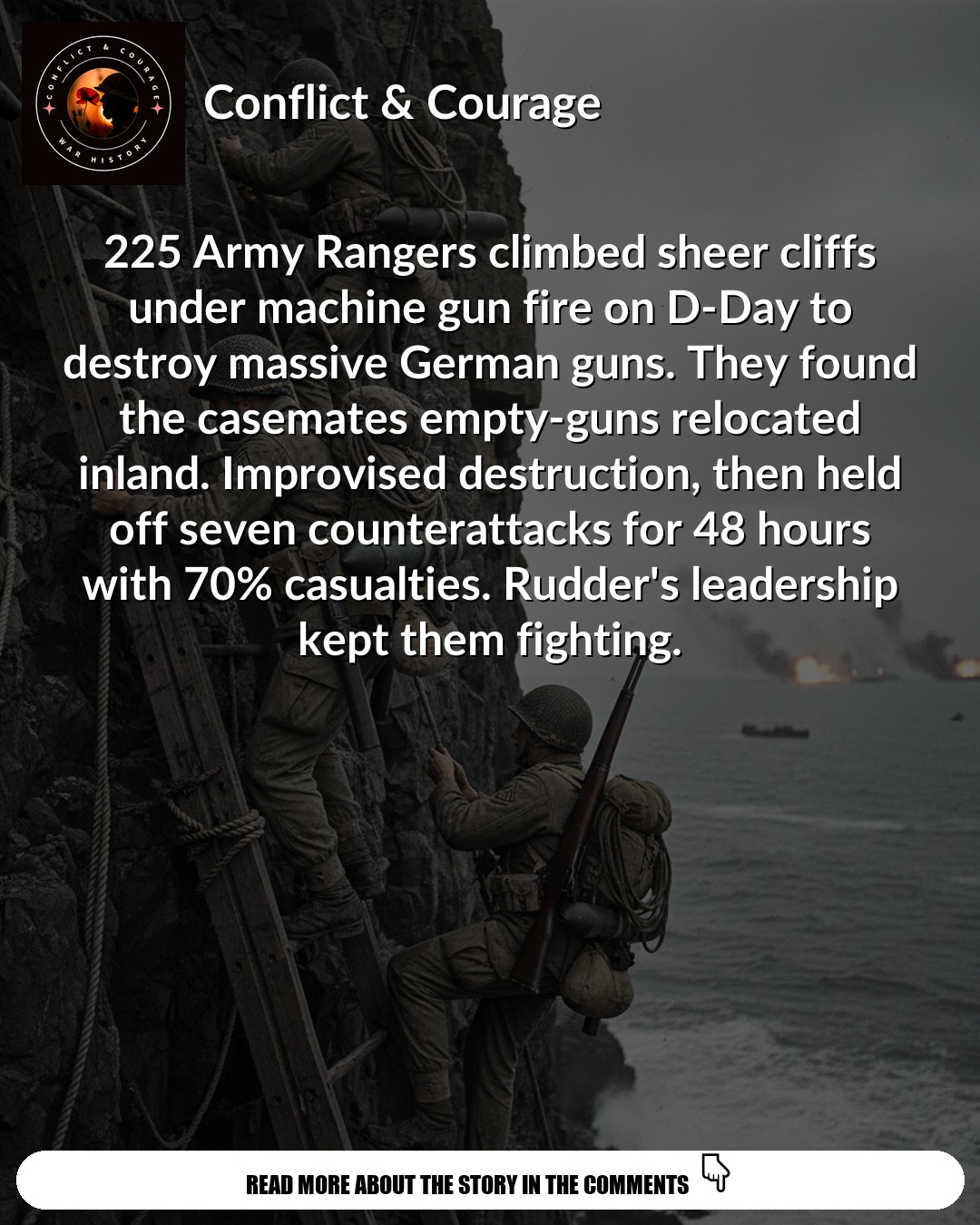
When most people think of D-Day, they picture the massive landings at Omaha and Utah beaches. But 40 miles west, a smaller force was attempting something that seemed straight out of a Hollywood movie. Two hundred and twenty-five US Rangers were preparing to scale sheer 100-foot cliffs under enemy fire to silence German guns that could rain death on the invasion fleet.
What happened at Pointe du Hoc over the next three days would become one of the most remarkable stories of courage and determination in military history.
The Mission That Seemed Impossible
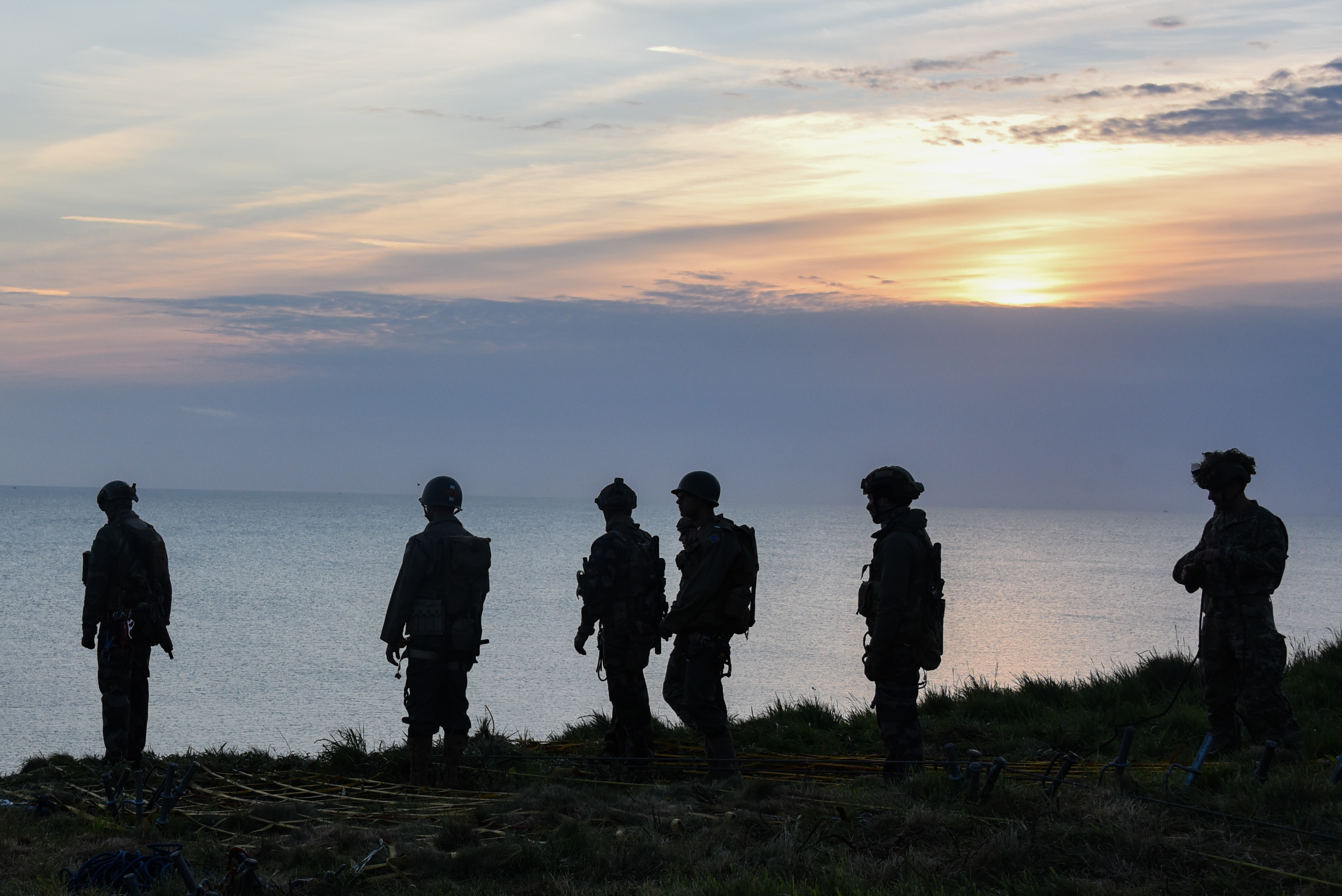
Pointe du Hoc jutted into the English Channel like a stone dagger, its limestone cliffs providing the perfect platform for German coastal artillery. Intelligence reports showed six massive 155mm guns positioned at the point, capable of hitting both Omaha and Utah beaches with devastating effect.
The math was simple and terrifying. Those guns could sink transport ships, destroy landing craft, and turn the D-Day beaches into killing fields. They had to be silenced before the main assault began.
Lieutenant Colonel James Earl Rudder's 2nd Ranger Battalion drew the assignment that many considered a suicide mission. The plan looked deceptively straightforward on paper: land at the base of the cliffs, scale them under fire, and neutralize the gun battery within 30 minutes.
Reality, as every veteran knows, has a way of shredding the best-laid plans.
Scaling Death: The Cliff Assault Begins
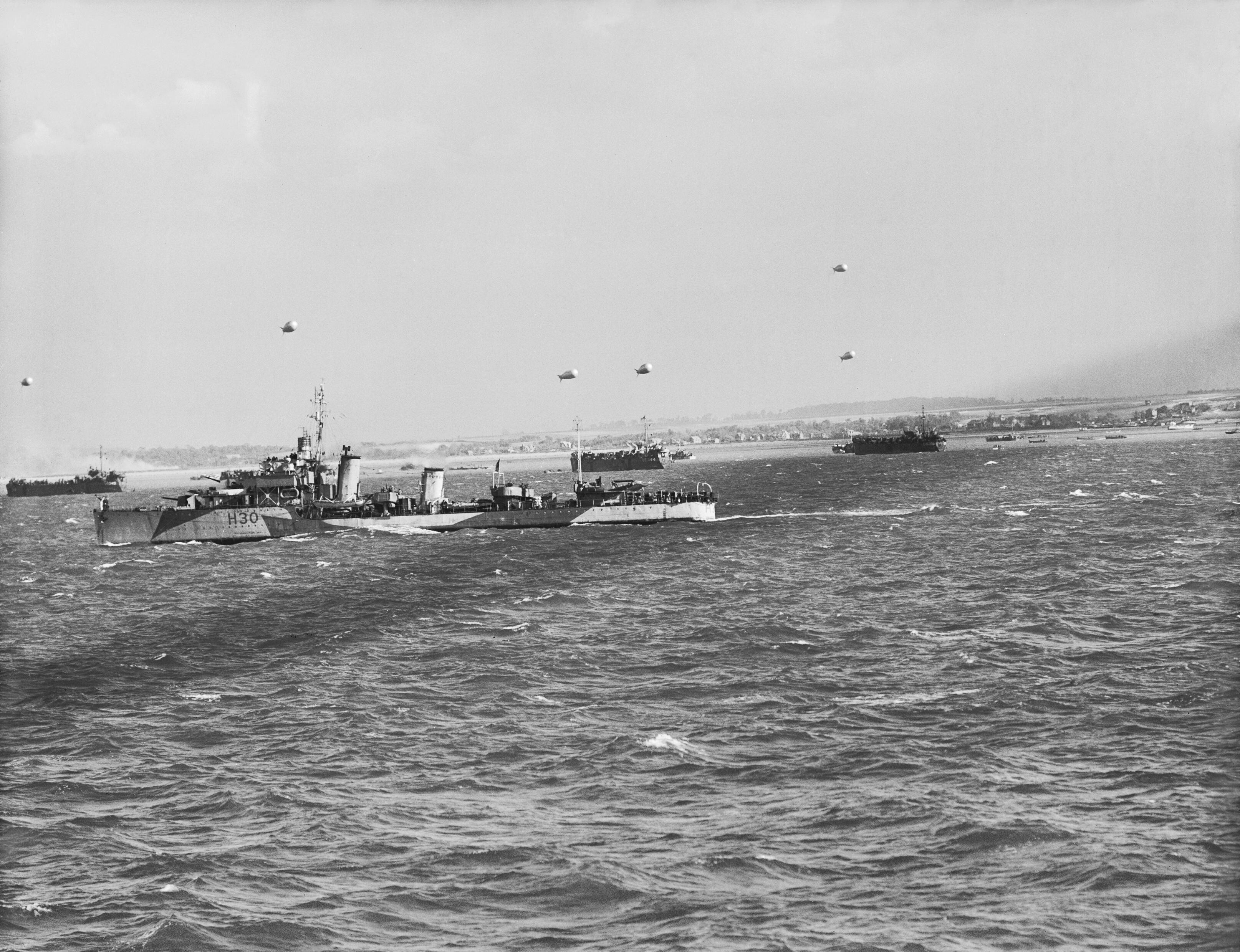
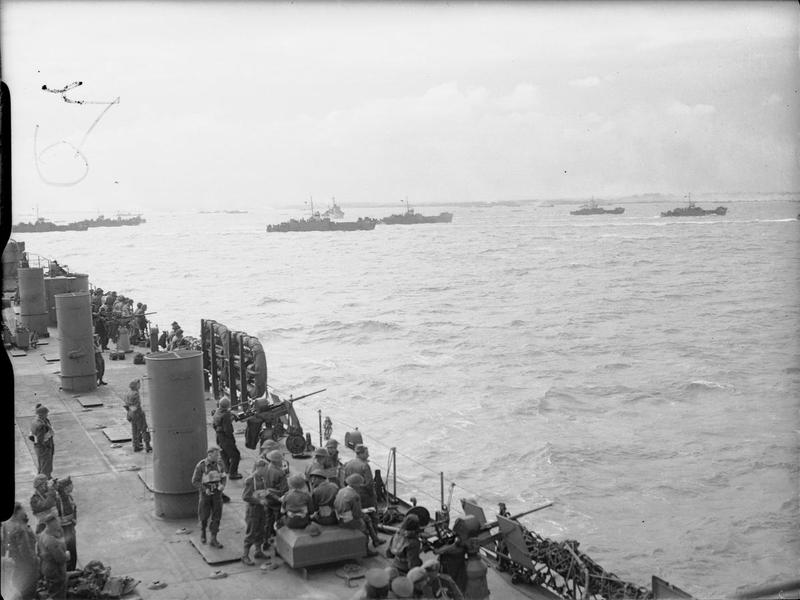
At 7:08 AM on June 6, 1944, the Rangers hit the narrow beach at the base of Pointe du Hoc. They were already 40 minutes behind schedule, and German defenders were waiting.
Machine gun fire raked the landing craft before they even reached shore. Rangers leaped into chest-deep water, weighed down by climbing equipment, ammunition, and the knowledge that retreat wasn't an option.
The cliff assault began immediately. Rangers fired rocket-propelled grappling hooks and rope ladders while others shouldered extension ladders borrowed from the London Fire Brigade. The innovative climbing gear worked—when German defenders weren't cutting the ropes or dropping hand grenades on the climbers below.
Staff Sergeant William Stivison later recalled watching his buddy fall 90 feet when Germans severed his rope. But the Rangers kept climbing, driven by the same relentless spirit that characterized heroes like Desmond Doss at Hacksaw Ridge.
The Shocking Discovery at the Top
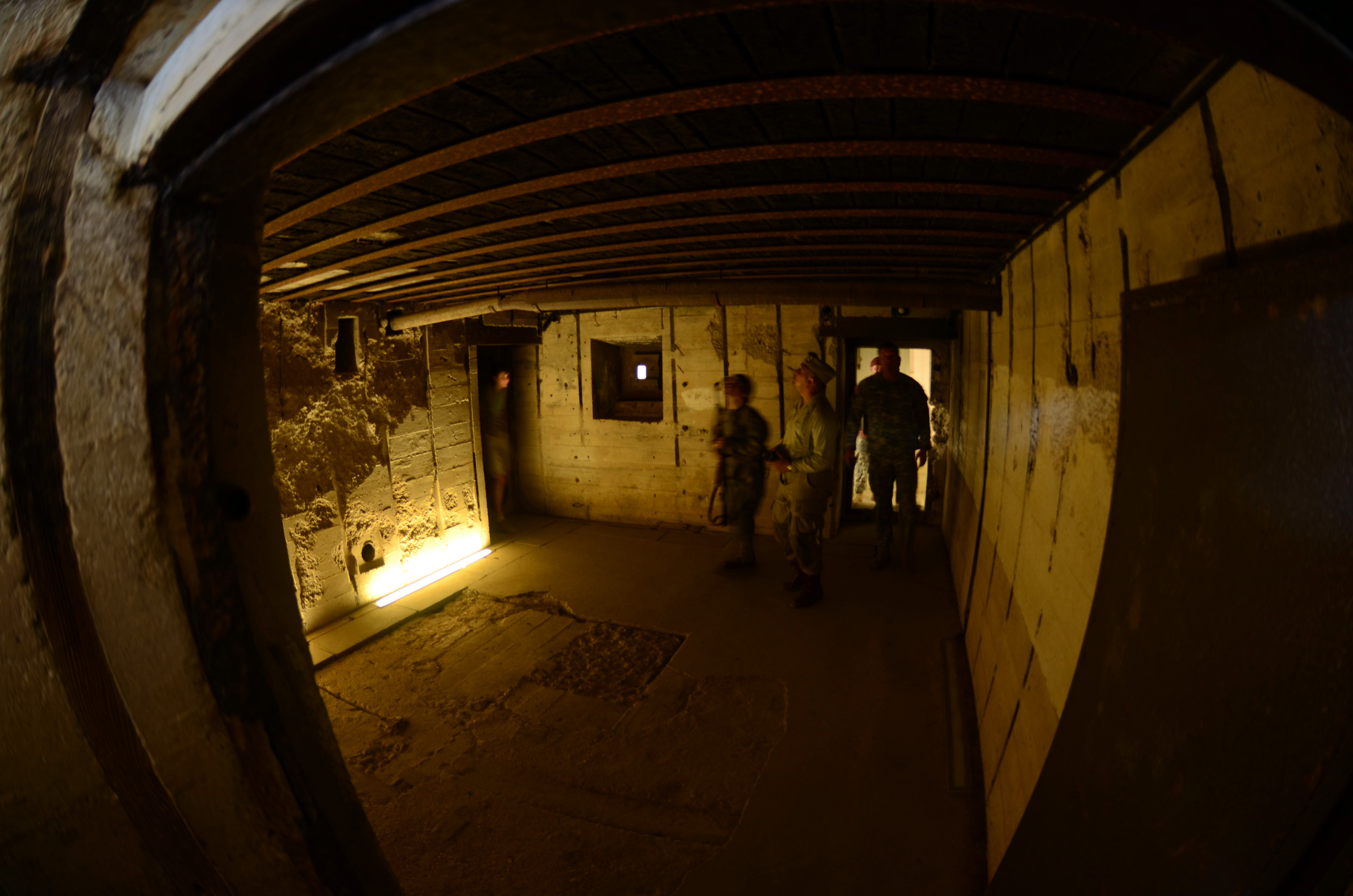
After 30 minutes of brutal climbing under fire, the first Rangers hauled themselves over the cliff edge. What they found in the gun positions left them stunned.
The massive concrete bunkers were empty. The feared 155mm guns were nothing but telephone poles painted black—an elaborate deception that had fooled Allied intelligence.
But Rudder's Rangers weren't about to let their sacrifice be meaningless. Small teams spread out across the Norman countryside, following tank tracks and wheel ruts. Two miles inland, they found the real guns—six 155mm howitzers hidden in an apple orchard, ready to turn toward the beaches.
Using thermite grenades, the Rangers destroyed the guns and their ammunition. Mission accomplished, but their ordeal was just beginning.
Holding the Point: Three Days of Hell
Cut off from reinforcements and surrounded by increasingly aggressive German counter-attacks, the Rangers dug in for what became a three-day siege. Their numbers had already been cut in half during the cliff assault.
German forces attacked from three sides, using everything from infantry assaults to tank-supported advances. The Rangers fought back with captured German weapons when their own ammunition ran low, turning enemy Panzerfausts and machine guns against their former owners.
Sergeant Leonard Lomell, who had found and destroyed the hidden guns, later described the desperate fighting: "We used everything we could get our hands on. German rifles, German machine guns, German grenades. If it would shoot or explode, we used it."
For 72 hours, the survivors held their ground, expecting relief that seemed like it might never come.
The Human Cost of Heroism
When relief finally arrived on June 8, only 42 Rangers were still able to fight. Of the original 225 men who had landed at Pointe du Hoc, more than half had been killed or wounded in three days of continuous combat.
The casualty rate shocked even hardened military commanders who had witnessed the carnage at Omaha Beach. But the survivors had forged an unbreakable bond, the kind of brotherhood that emerges from shared sacrifice and impossible odds.
First Sergeant Leonard Lomell would later say the Rangers succeeded because they simply refused to quit—a mindset that echoes in stories of heroes like Sergeant Antolak's incredible last stand against overwhelming odds.
Legacy of the Ranger Assault
Today, the Pointe du Hoc Ranger Monument stands where those German gun positions once threatened the invasion fleet. The scarred landscape, still pockmarked with bomb craters, serves as a powerful reminder of what happened there.
The mission became a textbook example of small-unit tactics and the importance of mission flexibility. When the original plan fell apart, the Rangers adapted and accomplished their objective anyway.
President Ronald Reagan, himself a veteran of World War II, perfectly captured the significance of Pointe du Hoc in his 1984 speech at the 40th anniversary of D-Day: "These are the boys of Pointe du Hoc. These are the men who took the cliffs."
The Rangers' "simple" mission remains one of D-Day's most remarkable stories because it proves that extraordinary courage can overcome impossible odds.
What stories of military courage inspire you most? Share your thoughts in the comments below, or pass this story along to someone who appreciates the incredible sacrifices made by our greatest generation.