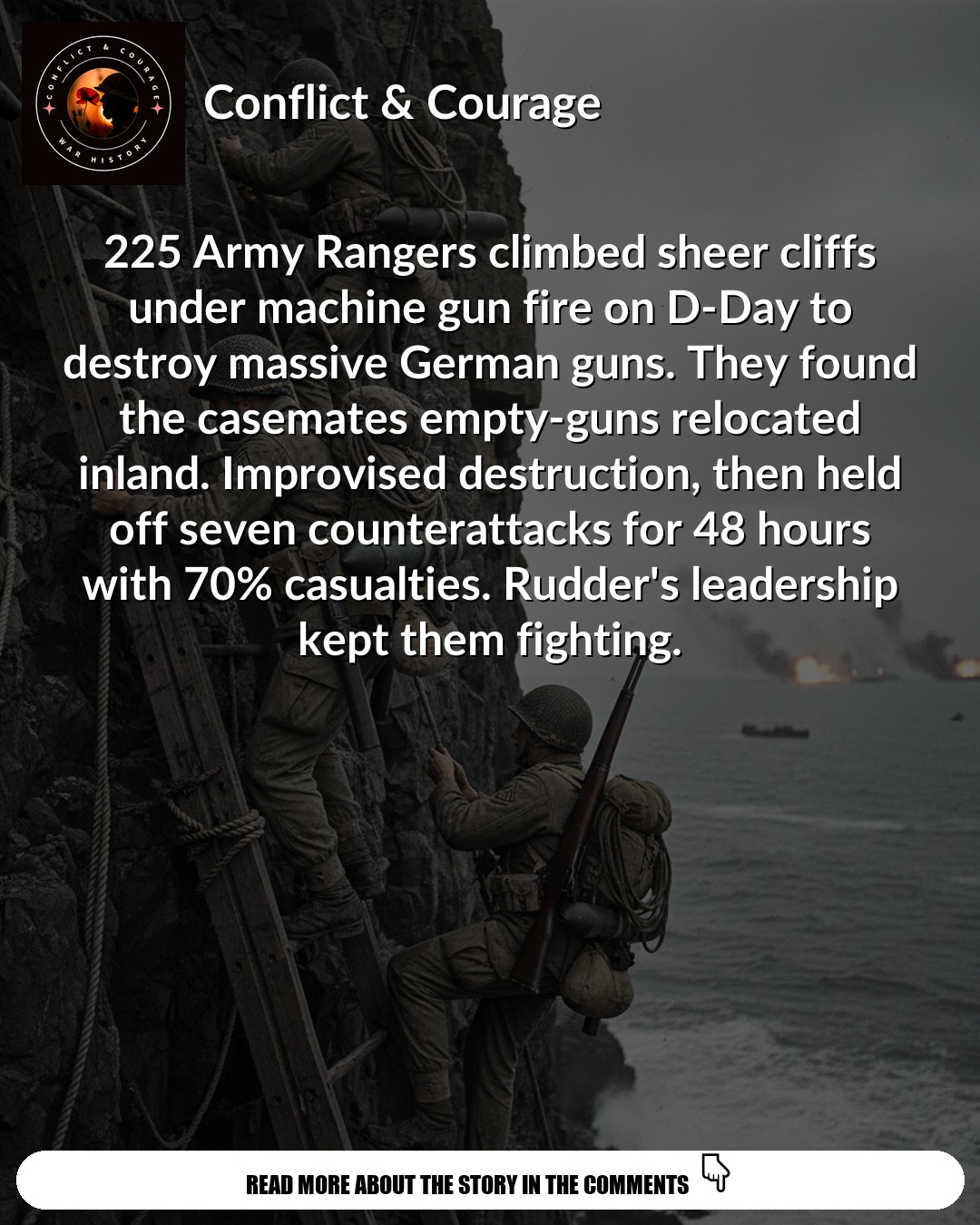
When you think of D-Day, your mind probably goes to the bloody sands of Omaha Beach or the paratroopers dropping into the darkness. But 225 US Rangers were handed what many considered a suicide mission: scale 100-foot vertical cliffs while German machine gunners tried to kill them from above.
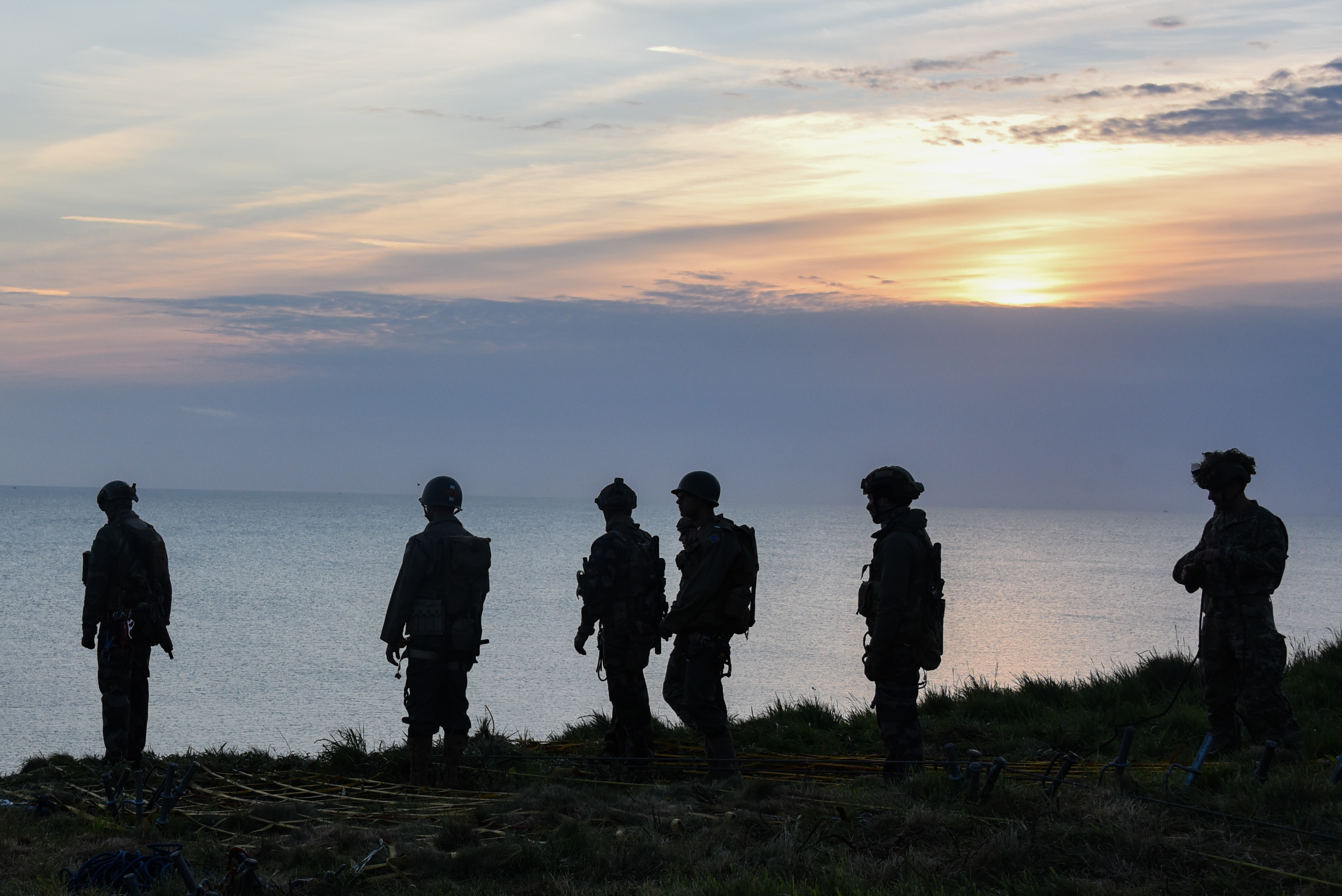
The target was Pointe du Hoc, a knife-edge promontory jutting into the English Channel like a stone dagger. What happened there in the pre-dawn hours of June 6, 1944, would become one of the most incredible—and heartbreaking—stories of American courage in World War II.
The Guns That Could Sink D-Day
Intelligence reports painted a terrifying picture. Six massive 155mm German guns sat atop the cliffs at Pointe du Hoc, their barrels capable of hurling shells nearly 15 miles. That range meant they could rain death on both Omaha and Utah beaches simultaneously.
Allied planners knew these guns had to be silenced before the first landing craft hit the sand. If German gunners could coordinate fire from this elevated position, they could turn the invasion beaches into killing fields. The entire success of Operation Overlord might hang in the balance.
The problem? Pointe du Hoc wasn't just any coastal battery. The Germans had positioned it atop cliffs so steep that most military minds considered them unclimbable under fire.
An Impossible Plan on Paper
Colonel James Rudder's 2nd Ranger Battalion drew the short straw. Their mission seemed lifted from a Hollywood script: approach by sea at dawn, scale the vertical cliffs under enemy fire, destroy the guns, and hold the position until relieved.
The "simple" plan required special equipment that had never been tested in combat. Rangers would carry rocket-fired grappling hooks, assault ladders borrowed from London's fire department, and enough rope to rig a makeshift elevator system up the cliff face.
Even the most optimistic planners privately wondered if any Rangers would make it to the top alive. But someone had to try—the alternative was watching German artillery tear apart thousands of American soldiers on the beaches below.
When Everything Goes Wrong at Dawn
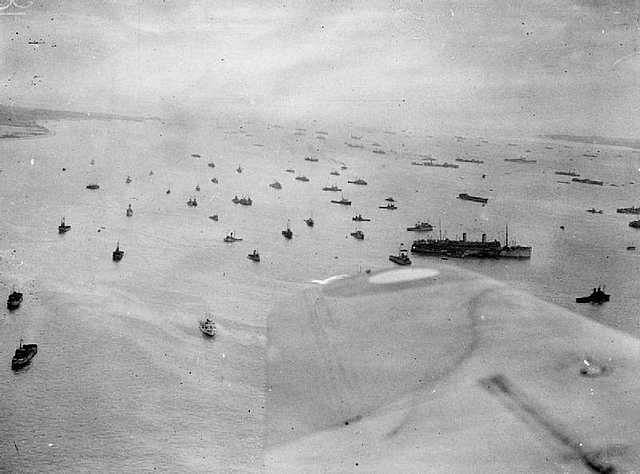
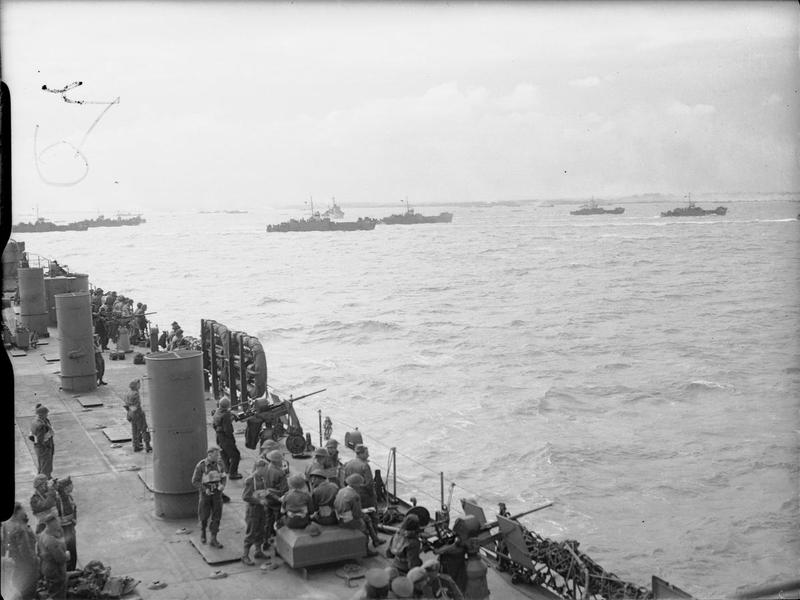
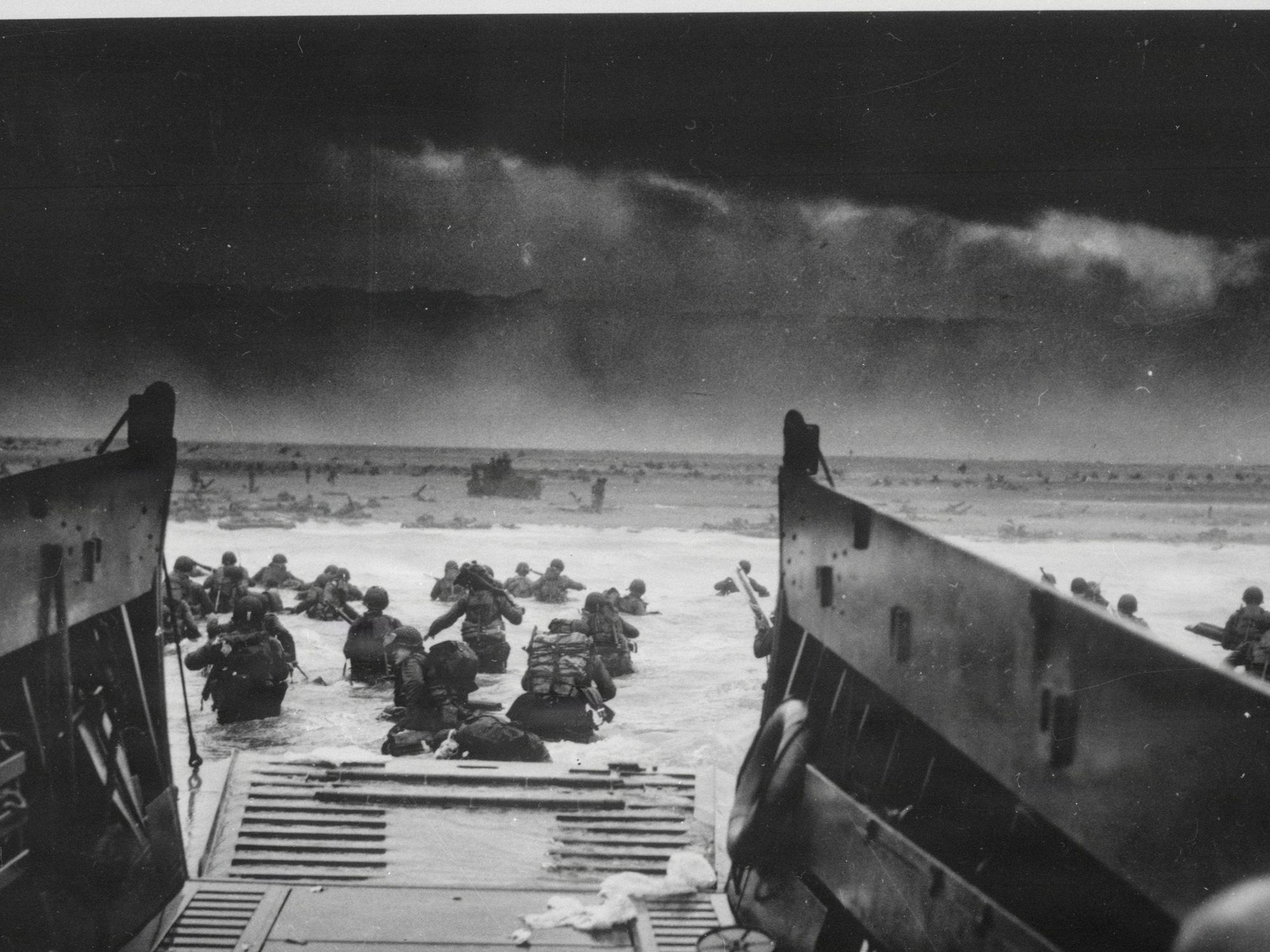
June 6th started badly and got worse. Navigation errors in the pre-dawn darkness delayed the Rangers' approach by nearly 40 crucial minutes. Instead of hitting the beach while German defenders were still groggy, they arrived in broad daylight.
German machine gunners and riflemen lined the cliff tops, raining bullets and grenades down on the Rangers struggling to establish footholds. The English Channel's rough seas had soaked their climbing ropes, making them heavier and more likely to snap under tension.
Worse still, the constant naval bombardment had loosened chunks of cliff face. Rangers watched in horror as sections of rock—and sometimes their buddies—plummeted into the churning water below.
Against All Odds: The Climb
What followed defied human endurance. Rangers used their bayonets as makeshift pitons, driving them into cracks in the cliff face to create handholds. Some climbed with bullet wounds bleeding through their uniforms.
The destroyer USS Satterlee provided crucial fire support, her guns thundering as she maneuvered dangerously close to shore. Her shells kept German defenders' heads down just long enough for Rangers to gain precious feet of altitude.
Sergeant William Stivison later recalled the surreal experience: "You'd grab a rope, pull yourself up a few feet, then duck as another grenade exploded nearby. The whole cliff face was smoking from the bombardment, and you could taste cordite in the air."
The Shocking Discovery at the Top
After 30 minutes of hell, the first Rangers crested the cliff and overran the German positions. What they found left them stunned: the massive guns that had justified this desperate mission were wooden decoys.
The real artillery pieces had been moved inland weeks earlier. But Lieutenant Colonel Rudder's men didn't despair—they adapted. Pushing inland, they discovered the actual guns camouflaged in an apple orchard and destroyed them with thermite grenades.
Their quick thinking and determination had still accomplished the mission, even if the intelligence had been fatally flawed. Like Desmond Doss at Hacksaw Ridge, these Rangers proved that courage and adaptability could overcome impossible odds.
Holding On: Two Days of Hell
Taking the cliff was only the beginning. Cut off from reinforcements and running low on ammunition, the Rangers faced wave after wave of German counterattacks. They used captured enemy weapons and ammunition from their own dead.
For two days, fewer than 200 Rangers held off a German garrison that outnumbered them three to one. They turned captured German positions against their former owners and called in naval gunfire support when the situation looked hopeless.
Relief finally arrived on June 8th when elements of the 5th Ranger Battalion broke through German lines. The siege of Pointe du Hoc was over, but the cost had been devastating.
The Price of Valor
Of the 225 Rangers who began the assault, only 90 were still combat-effective after two days of fighting. The casualty rate—60 percent—was among the highest of any D-Day unit.
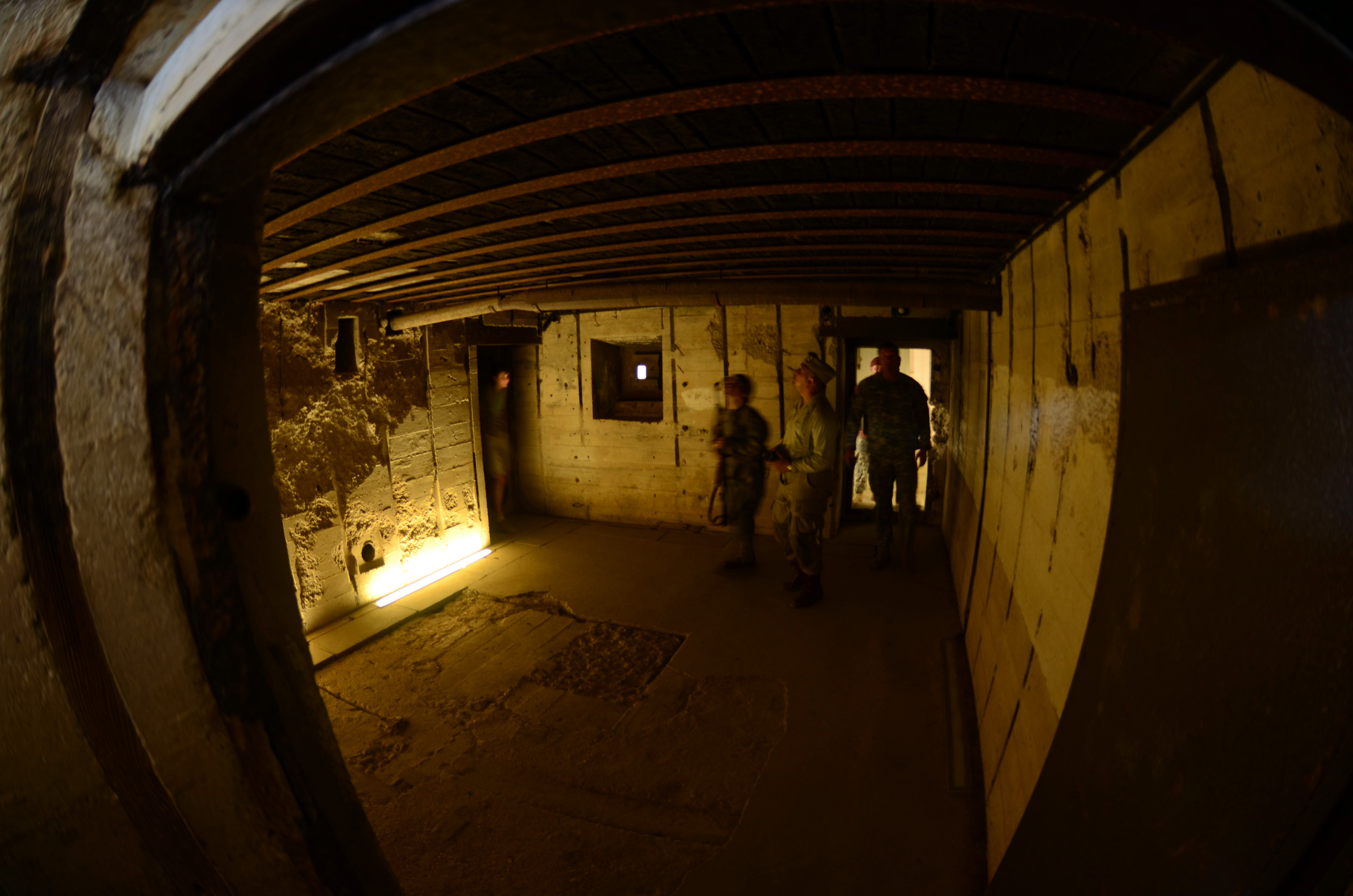
Today, the Pointe du Hoc memorial preserves the battlefield exactly as the Rangers left it in 1944. Bomb craters still pockmark the clifftop, and the concrete German bunkers remain as silent testimony to that incredible morning.
The story of Pointe du Hoc reminds us that World War II's greatest victories often came from ordinary Americans doing extraordinary things when everything seemed impossible.
What strikes you most about the Rangers' incredible assault on Pointe du Hoc? Share your thoughts in the comments below, and don't forget to pass this story along to anyone who appreciates real American heroism.