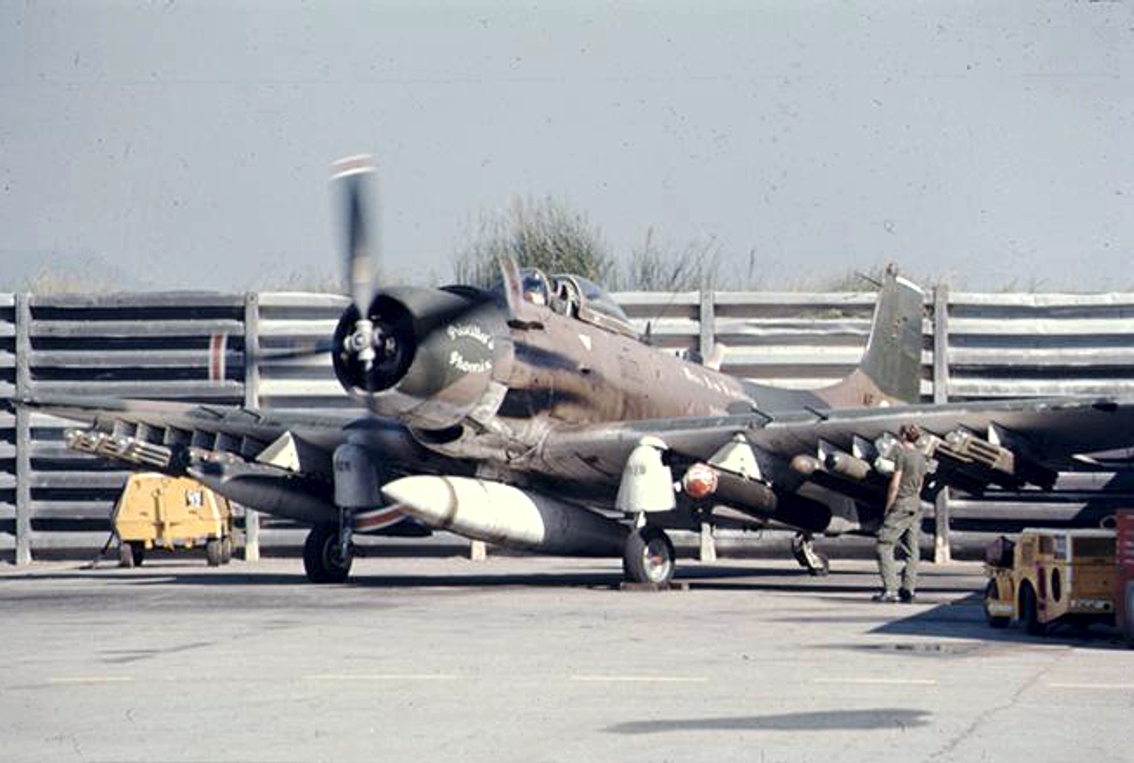
Douglas A-1H Skyraider of the 1st SOS at Da Nang Air Base, Vietnam, on 1 December 1972 (VAS096526) (Wikimedia Commons)
The Forgotten Warriors of Vietnam's Skies
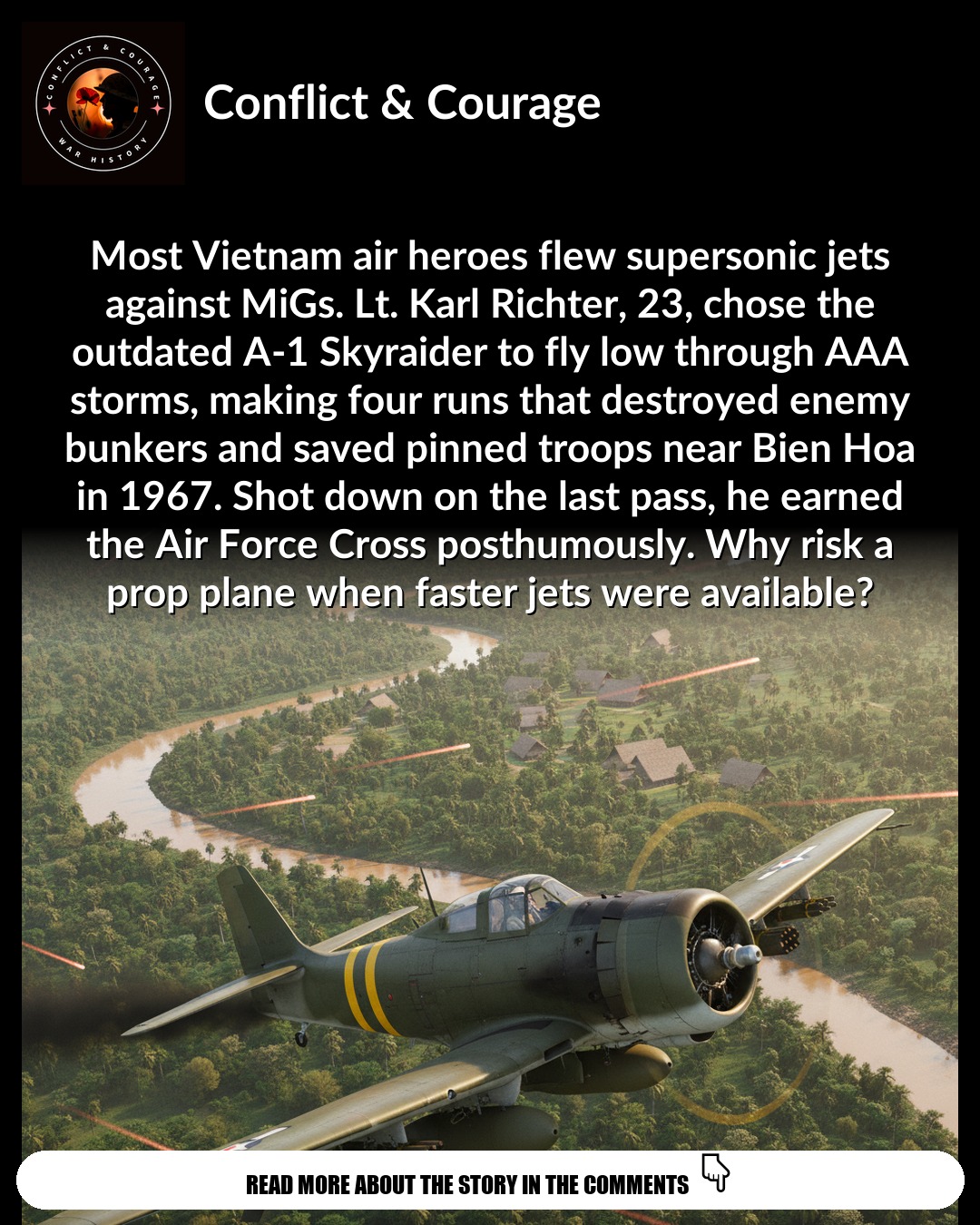
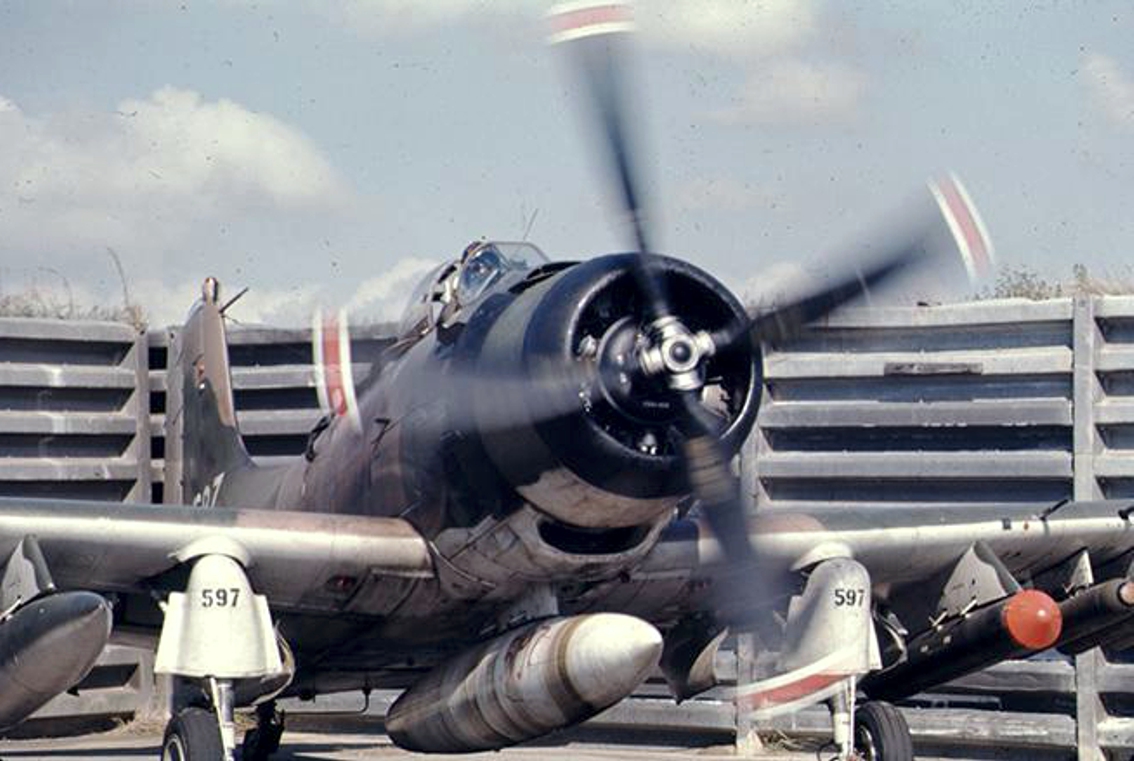
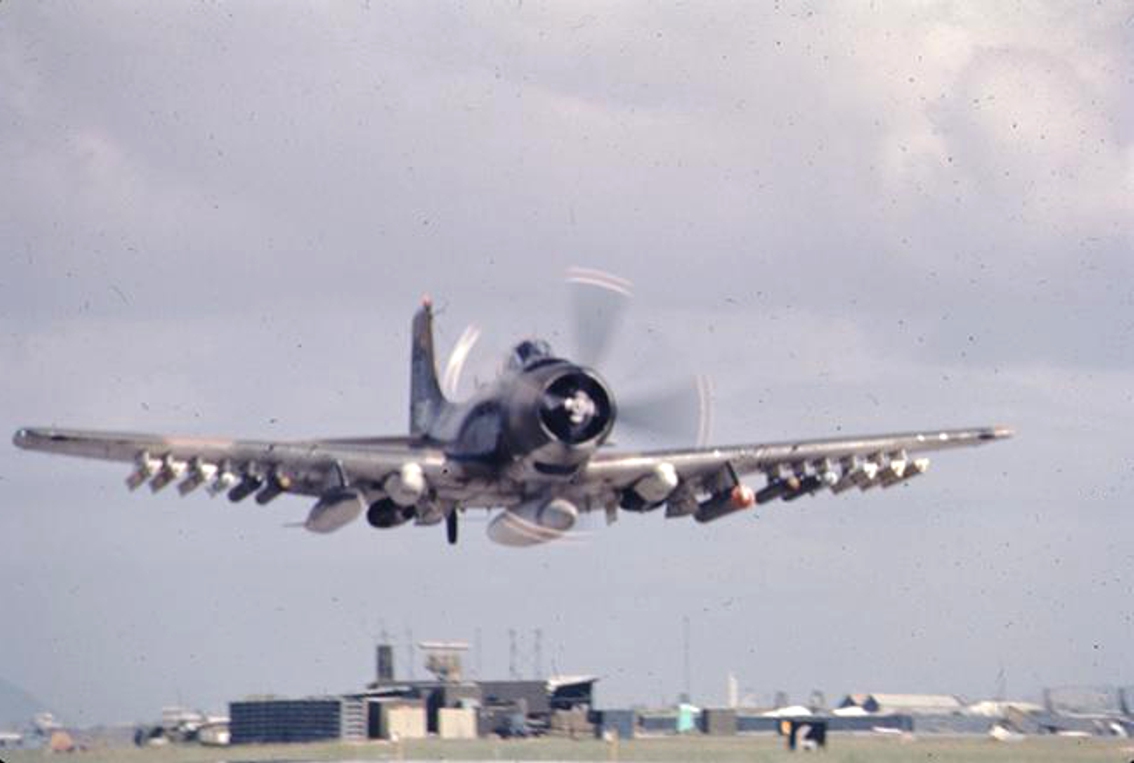
While history remembers the jet aces who dominated Vietnam's skies, a different breed of warrior flew the slow, prop-driven aircraft that saved countless lives on the ground. On a sweltering day near Bien Hoa in 1967, a 23-year-old lieutenant made the ultimate sacrifice in one of these forgotten warbirds. The Douglas A-1 Skyraider seemed ancient compared to the sleek F-4 Phantoms and F-105 Thunderchiefs streaking overhead. But when American ground forces found themselves pinned down by entrenched North Vietnamese Army positions, only the "Spad" could deliver the precision firepower needed to break the deadly stalemate. Douglas A-1H Skyraider of the 1st SOS leaving Da Nang Air Base, Vietnam, on 1 December 1972 (VAS096527) (Wikimedia Commons)
Meet the Douglas A-1 Skyraider: Korea's Workhorse in Vietnam
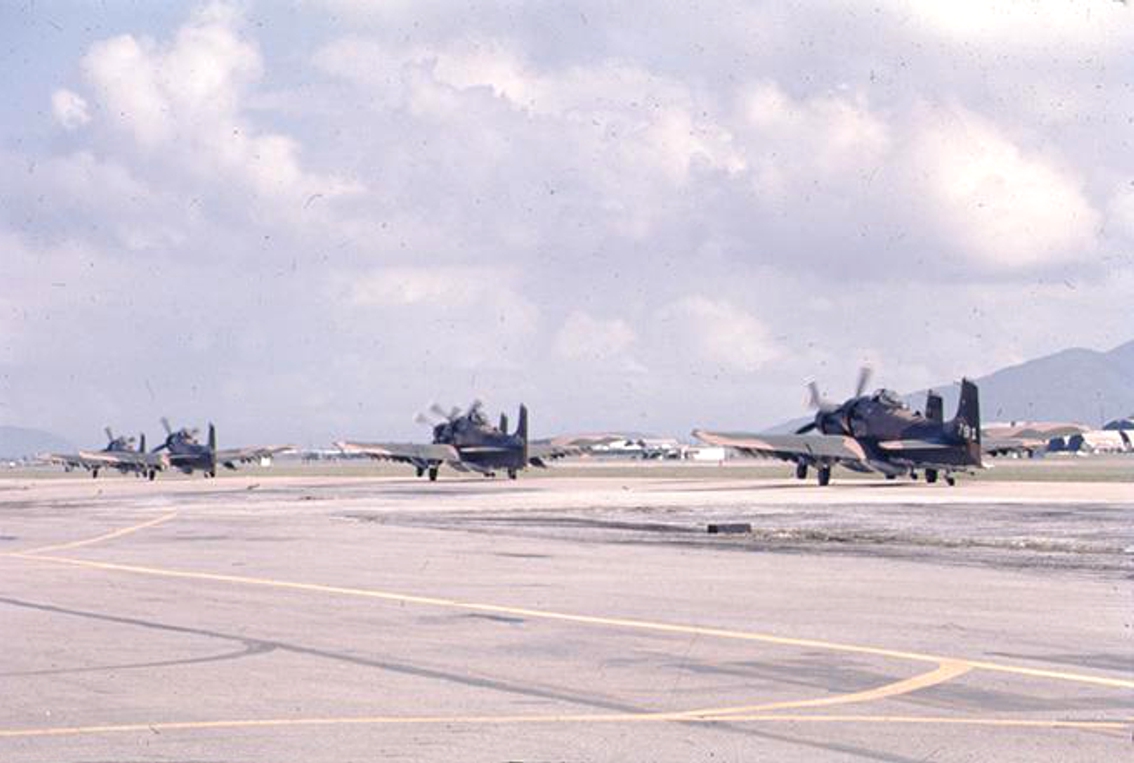
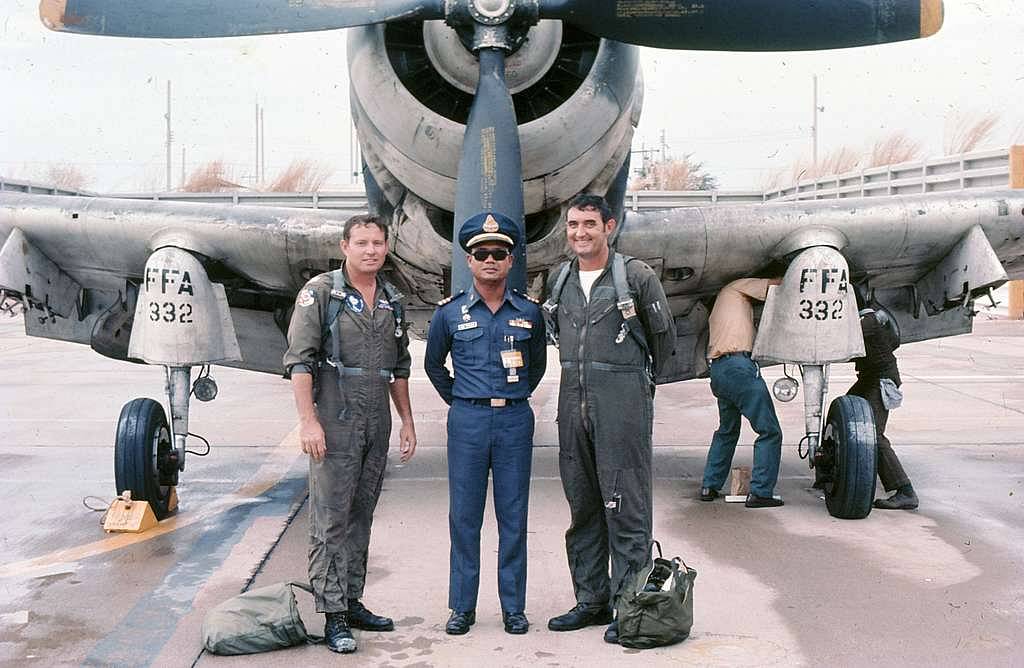
The A-1 Skyraider first took flight in 1945, designed as a carrier-based attack aircraft for World War II's Pacific Theater. By the time it reached combat in Korea, this rugged single-engine plane had proven its worth as a close air support specialist. What made the Skyraider special wasn't speed—it topped out at just 318 mph. Instead, it excelled in loiter time, carrying capacity, and survivability. The aircraft could haul up to 8,000 pounds of ordnance on fifteen hardpoints, staying over the battlefield for hours while jets burned through fuel in minutes. Vietnam's jungle warfare demanded different tactics than the high-altitude intercepts that made jet pilots famous. The A-1's ability to fly low and slow, combined with its pilot's clear view of the battlefield, made it irreplaceable for supporting troops in contact. Douglas A-1 Skyraiders of the 1st SOS leaving Da Nang Air Base, Vietnam, on 1 December 1972 (VAS096529) (Wikimedia Commons)
When Jets Couldn't Cut It: The Art of Close Air Support
Close air support requires surgical precision that high-speed jets simply cannot deliver. When friendly forces are danger-close—sometimes within 100 meters of enemy positions—every bomb and rocket must hit exactly where intended. The Skyraider pilot could throttle back to near-stall speeds, giving him precious seconds to identify targets and adjust his aim. More importantly, he could communicate directly with ground commanders, coordinating attacks in real-time as the tactical situation evolved. This intimate partnership between air and ground forces demanded exceptional skill and nerves of steel. Like Sergeant Leonard Mason's heroic stand in Korea, these missions required split-second decisions under the most extreme pressure. Douglas A-1 Skyraider of the 1st SOS taking off from Da Nang Air Base, Vietnam, on 1 December 1972 (VAS096530) (Wikimedia Commons)
Four Passes Through Hell: The Mission That Changed Everything
When the call came in that morning, American troops were trapped in a deadly crossfire from well-concealed NVA bunkers. Artillery couldn't reach the enemy positions, and fast-movers were deemed too risky with friendlies so close to the target. The young lieutenant volunteered for the mission, knowing the odds. Leading a flight of four Skyraiders, he began his attack runs at treetop level, weaving between streams of anti-aircraft fire that lit up the jungle canopy. Each pass grew more dangerous as the enemy concentrated their fire on the slow-moving aircraft. On the first run, his 20mm cannons silenced two machine gun nests. The second pass saw his rockets destroy a mortar position that had been raining death on the pinned-down Americans. By the third pass, his aircraft was already taking hits, but the mission wasn't complete. The deadliest bunker complex still threatened the ground forces below. Last-ever Douglas A-1 Skyraider flight of the U.S. Air Force, 5 May 1975 (Picryl / Public Domain)
The Ultimate Sacrifice: A Hero's Final Flight
The lieutenant's final approach was a masterpiece of tactical flying and raw courage. Despite his damaged aircraft and the concentrated enemy fire, he pressed his attack to point-blank range, ensuring his ordnance would find its mark. His rockets destroyed the remaining bunker complex, breaking the enemy's stranglehold on the American position. But as he pulled up from that fourth pass, anti-aircraft fire found its mark. His Skyraider, riddled with holes and trailing smoke, crashed into the jungle below. The ground forces he saved never forgot his sacrifice. In a war often measured by body counts and strategic objectives, this young aviator's final mission embodied the warrior's code—complete the mission, take care of your people, and never leave a comrade behind.
Legacy Written in Air Force Doctrine
The tactics demonstrated in that desperate fight near Bien Hoa didn't die with their architect. Air Force close air support manuals still reference the principles this brave lieutenant proved with his life: precision over speed, persistence over flash, and mission completion above personal safety. Modern close air support aircraft like the A-10 Thunderbolt II trace their design philosophy directly back to lessons learned from A-1 Skyraider operations in Vietnam. The emphasis on loiter time, heavy armament, and pilot visibility all echo the Skyraider's proven formula. Today's combat pilots study these Vietnam-era missions not as historical curiosities, but as timeless examples of how to support ground forces under fire.
Remembering the Unsung Aces of Vietnam
While jet pilots earned fame for their air-to-air victories, A-1 Skyraider pilots fought a different kind of war—one measured in American lives saved rather than enemy aircraft shot down. These "last of the gunfighters" deserve equal recognition for their contributions to the war effort. Their legacy reminds us that heroism comes in many forms, and sometimes the most important battles are fought not for headlines, but for the soldier in the foxhole who just needs someone to watch his back. What stories of unsung military heroes inspire you most? Share your thoughts in the comments below, and help us keep these remarkable tales of courage alive for future generations.