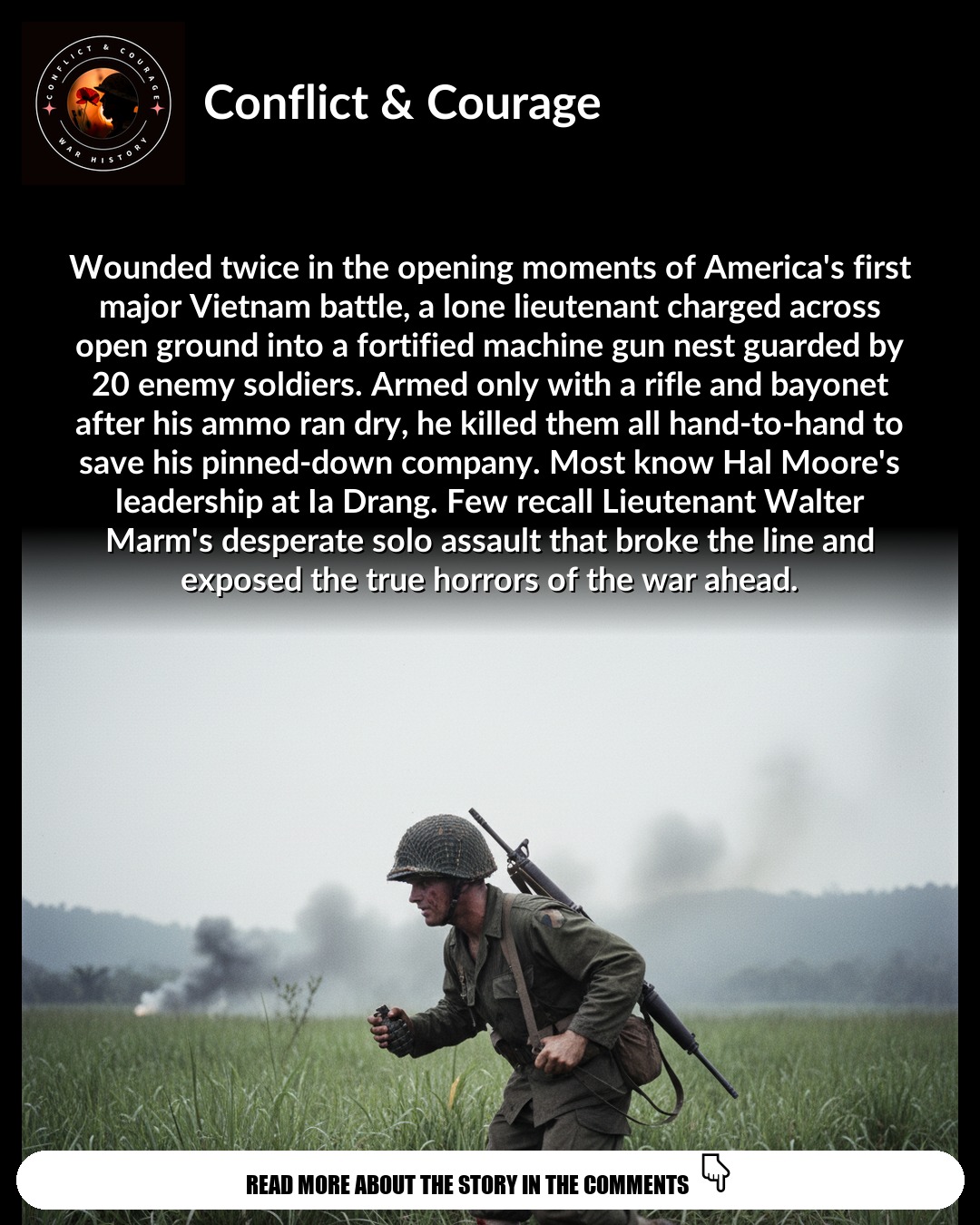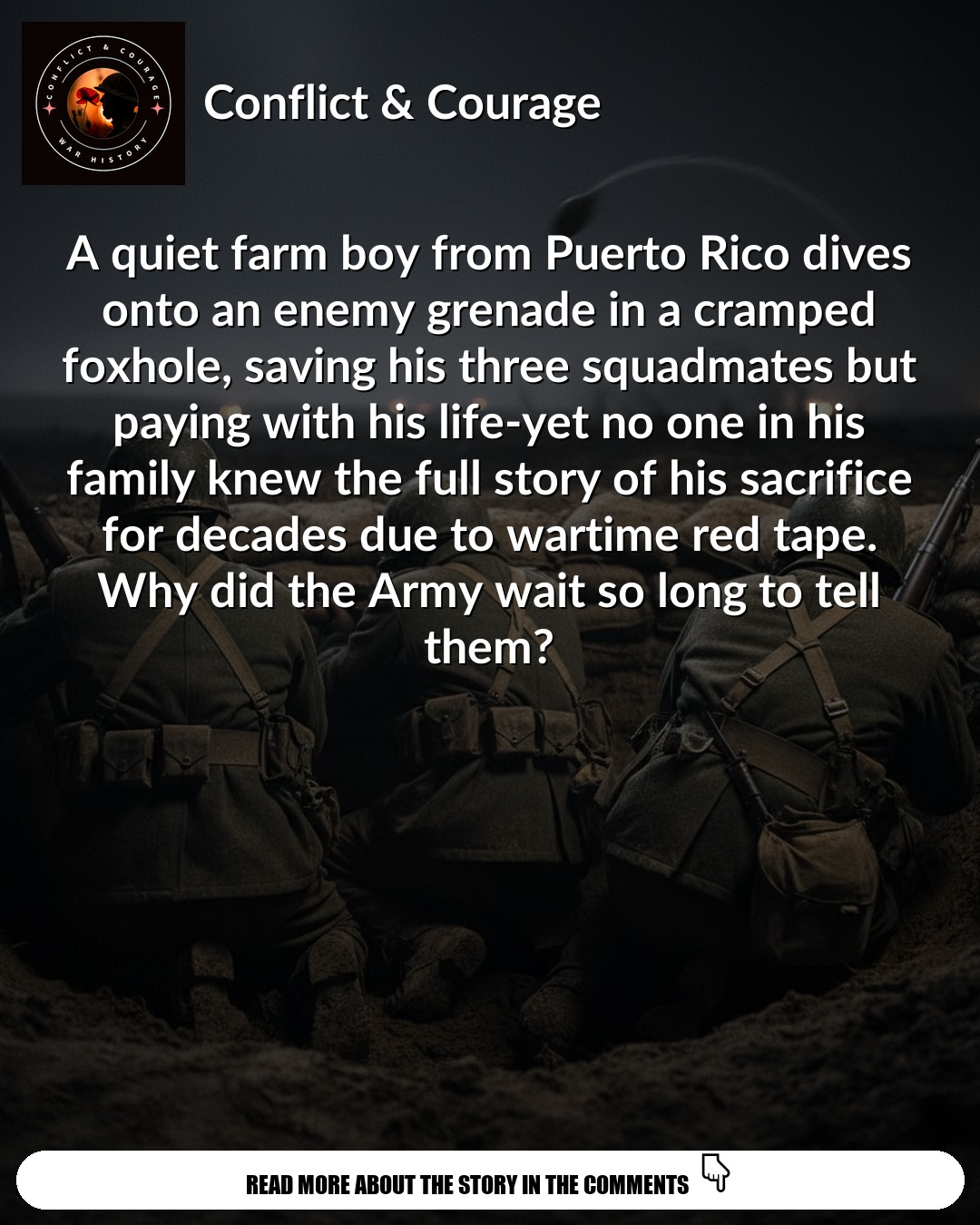
Everyone remembers the massive tank battles and dramatic charges that defined the Korean War. But sometimes, the most profound heroism happens in the darkness of a foxhole, where a handful of soldiers face impossible odds with nothing but courage and determination.
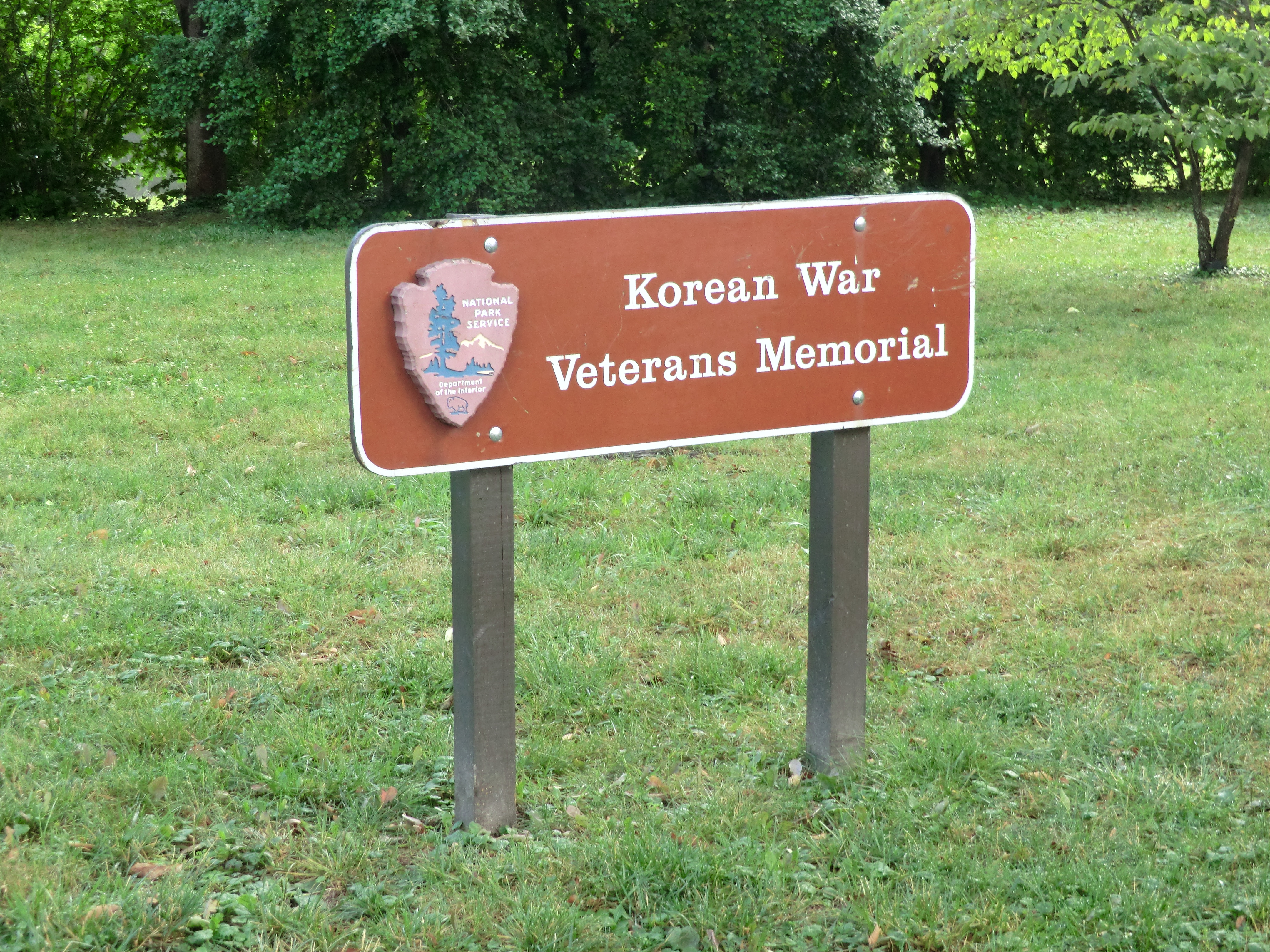
The Forgotten Heroism of Korea
The Korean War produced countless acts of valor that never made the front pages. While historians focus on major offensives like the Battle of Chosin Reservoir, the real backbone of the conflict was fought by small infantry units holding precarious positions against overwhelming enemy forces.
The brutal nature of Korean combat meant that individual soldiers often found themselves in life-or-death situations with minimal support. These men faced Chinese and North Korean forces in bitter cold, with limited ammunition and no guarantee of reinforcement.
It was in this unforgiving environment that Sergeant Leonard Mason would make his stand, embodying the same spirit of sacrifice we've seen in heroes like those whose medals hid the true hell of combat.
Meet Sergeant Leonard Mason
Leonard Mason came to Korea as part of the steady stream of American soldiers deployed to stem the Communist advance. Like so many young men of his generation, he found himself thrust into a conflict that would test every ounce of his character.
Serving with distinction in an infantry unit, Mason had already proven himself a capable soldier and natural leader. His fellow soldiers respected him not for grand gestures, but for the quiet competence that keeps men alive in combat.
In the harsh Korean landscape, bonds between soldiers became lifelines. Mason and his three closest comrades had shared the same foxhole through countless nights, watching each other's backs as enemy forces probed their defenses.
The Night Everything Changed
On a bitter cold night in 1951, Mason's unit found itself holding a critical position along a contested ridgeline. Intelligence reports indicated heavy enemy movement in the area, but the full scope of what was coming remained unknown.
As darkness fell, the sound of approaching enemy forces grew louder. What had started as routine patrol activity quickly escalated into a full-scale assault. Mason and his three companions found themselves directly in the path of a concentrated enemy attack.
Faced with the choice between retreating and potentially exposing their entire unit's flank, or holding their position against impossible odds, Mason made the decision that would define his legacy. They would stay and fight.

Four Men Against the Darkness
The first enemy probes came just after midnight. Mason and his men responded with disciplined fire, conserving ammunition while making every shot count. The attackers withdrew, but this was only the beginning.
Wave after wave of enemy soldiers advanced on their position. With ammunition running dangerously low, Mason redistributed what little they had left. He moved constantly between his men, offering encouragement and tactical guidance even as the situation grew more desperate.
Similar to other heroic last stands throughout military history, including young soldiers who held impossible positions, Mason's leadership under extreme pressure kept his small unit functioning as enemy forces pressed ever closer.
By dawn, two of Mason's companions had been wounded. Still, they held their ground, knowing that their position was crucial to their unit's survival.
The Ultimate Sacrifice
As the final enemy assault began, Mason realized that conventional defense was no longer possible. With his men wounded and ammunition nearly exhausted, he made the ultimate decision that defines true heroism.
Gathering the remaining grenades, Mason left the relative safety of the foxhole and advanced directly into the enemy formation. His sacrifice disrupted the attack and bought precious time for his wounded comrades to be evacuated by reinforcements that had finally arrived.
Mason's final actions saved not only his three companions but potentially dozens of other soldiers who would have been vulnerable if the enemy had broken through their defensive line.
Recognition and Legacy
Sergeant Leonard Mason's heroism was recognized with the Medal of Honor, presented posthumously to his family. The citation detailed his extraordinary courage and selfless dedication to his fellow soldiers.
His surviving comrades never forgot the man who gave everything to save their lives. They carried his story home, ensuring that Mason's sacrifice would be remembered long after the Korean War faded from public consciousness.
The impact extended beyond his immediate unit. Mason's story became part of military training, illustrating the profound difference that individual courage can make in the most desperate circumstances.
Remembering the Unsung Heroes
Stories like Leonard Mason's remind us that heroism isn't always about famous battles or dramatic charges. Sometimes, the most important courage happens in dark foxholes, where ordinary soldiers make extraordinary choices.
While history remembers the broad strokes of the Korean War, it's the individual acts of sacrifice that truly defined the conflict. These forgotten heroes, much like other unsung warriors throughout history, deserve our continued remembrance and respect.
Mason's legacy teaches us that true courage isn't the absence of fear, but the willingness to act despite it. In those final moments, facing overwhelming odds with wounded comrades depending on him, he embodied the very best of military service.
What stories of forgotten heroes from the Korean War or other conflicts have touched your heart? Share your thoughts in the comments below, and help us keep these important stories alive for future generations.