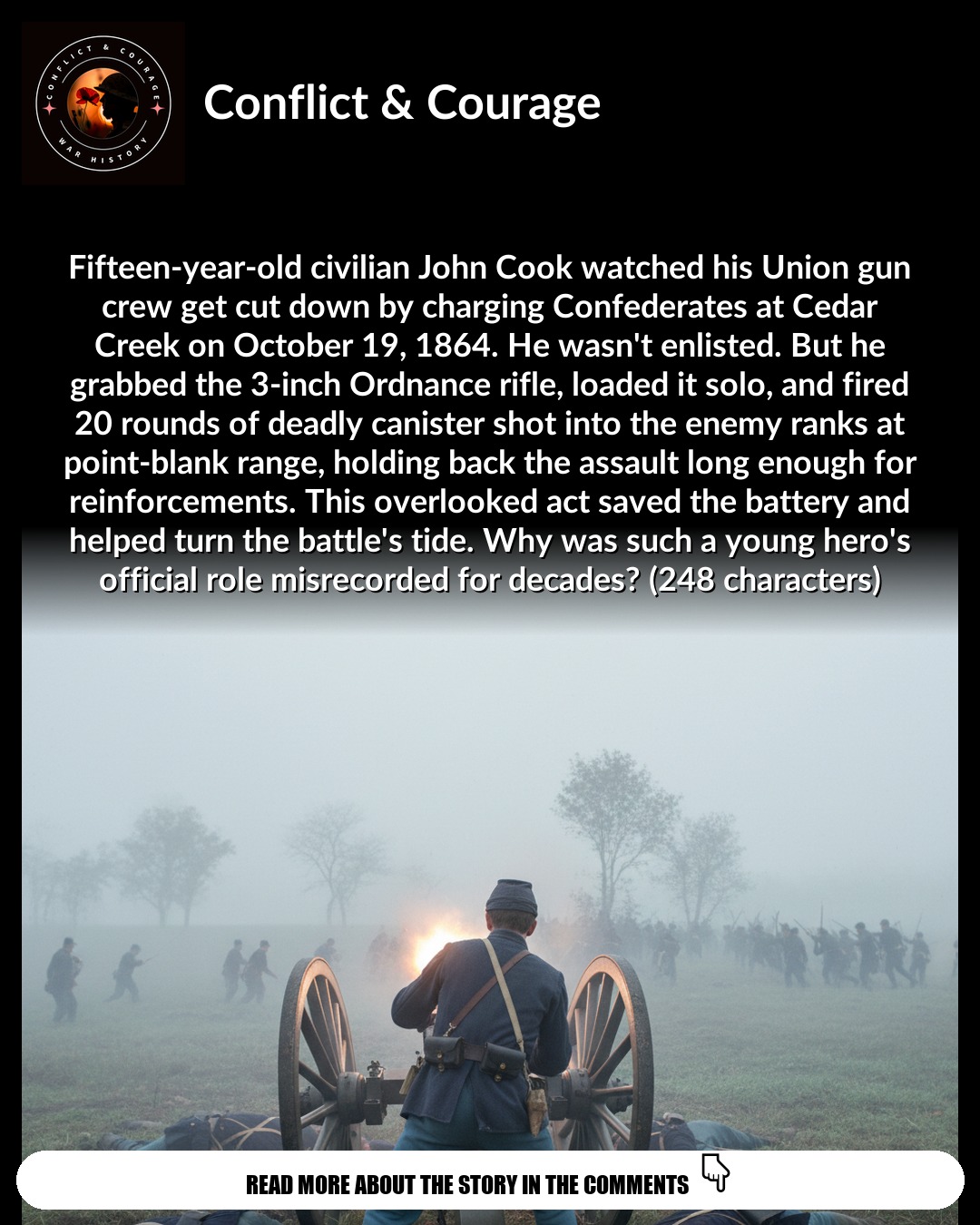
While history books celebrate General Philip Sheridan's legendary twenty-mile ride to Cedar Creek, they rarely mention the teenage boy who held the line until reinforcements arrived. On October 19, 1864, a fifteen-year-old laborer turned artilleryman became the thin thread that kept the Confederate army from shattering Union forces in Virginia's Shenandoah Valley.
His story nearly vanished into the fog of war, lost in paperwork mix-ups and overshadowed by more famous heroes. But the truth of what happened that morning deserves to be told.
When Dawn Brought Death to Cedar Creek
Confederate General Jubal Early's surprise attack came through the pre-dawn mist like a gray ghost. His forces had marched all night, crossing the Shenandoah River in darkness to catch the Union army completely off-guard at their Cedar Creek encampment.
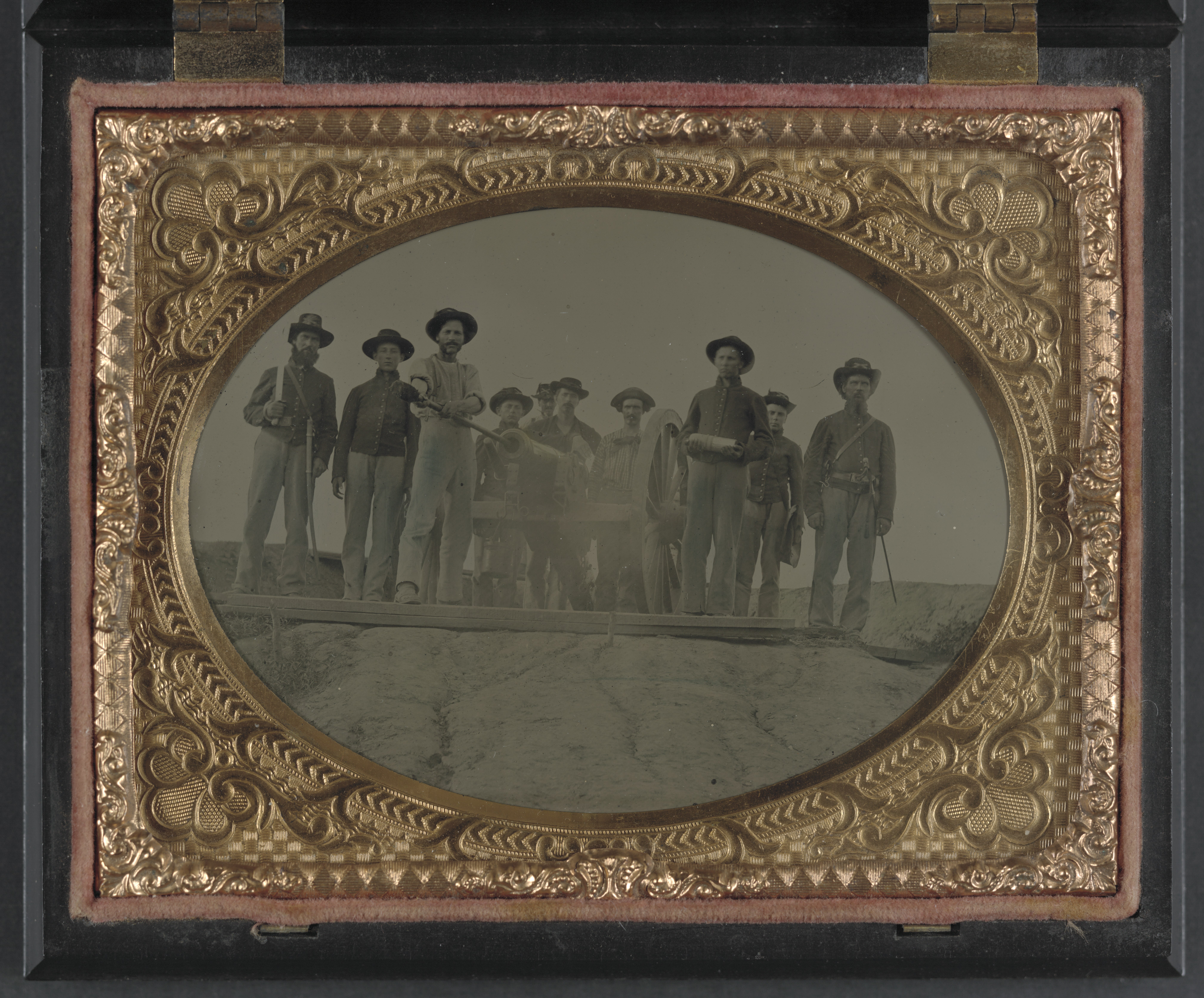
The 8th Massachusetts Battery never saw them coming. Most of the gun crews were still rolling out of their blankets when Confederate infantry emerged from the fog, rifles blazing. Within minutes, the battery's position became a killing field.
This wasn't just another Civil War skirmish. Early's forces had the momentum to push all the way to Washington if they could break through. The stakes couldn't have been higher, and the Union line was crumbling fast.
A Boy Among Giants
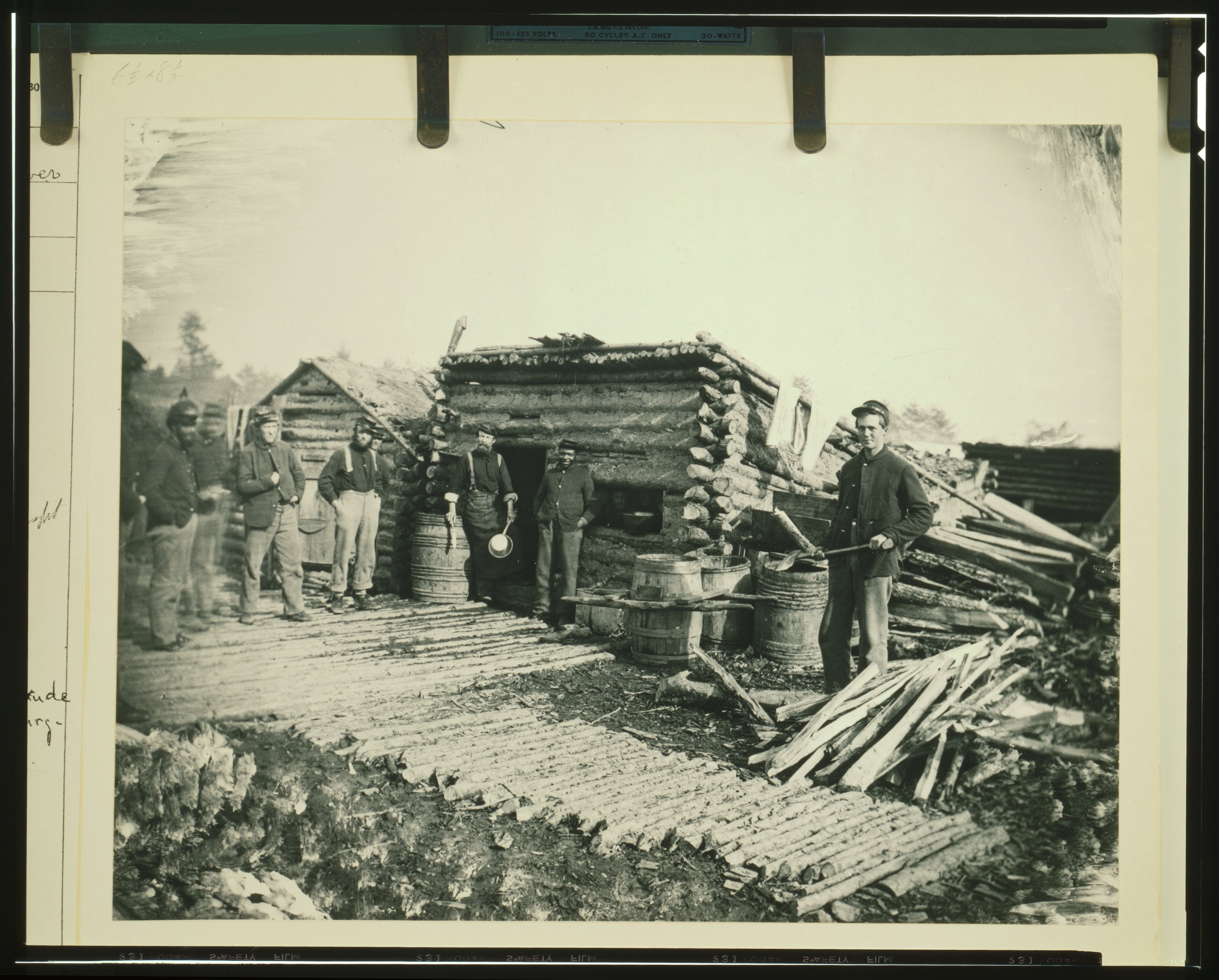
Nobody recorded his real name in the official reports, but we know he was fifteen years old and originally enlisted as a laborer. Like many teenagers during America's bloodiest conflict, he found himself thrust into combat roles he never signed up for.
Child soldiers weren't uncommon in the Civil War. Boys as young as twelve served as drummers, messengers, and when desperate times called for it, frontline fighters. This particular boy had been helping the artillery crew for weeks, learning to load and aim the massive cannons.
When the shooting started that morning, he was just another pair of hands. By the time the sun burned off the mist, he would be the only hands left standing at his gun.
Alone Against the Gray Tide
The Confederate charge hit the 8th Battery like a sledgehammer. Within moments, most of the gun crew lay dead or wounded around their cannon. The boy found himself alone, staring at advancing enemy soldiers just yards away.
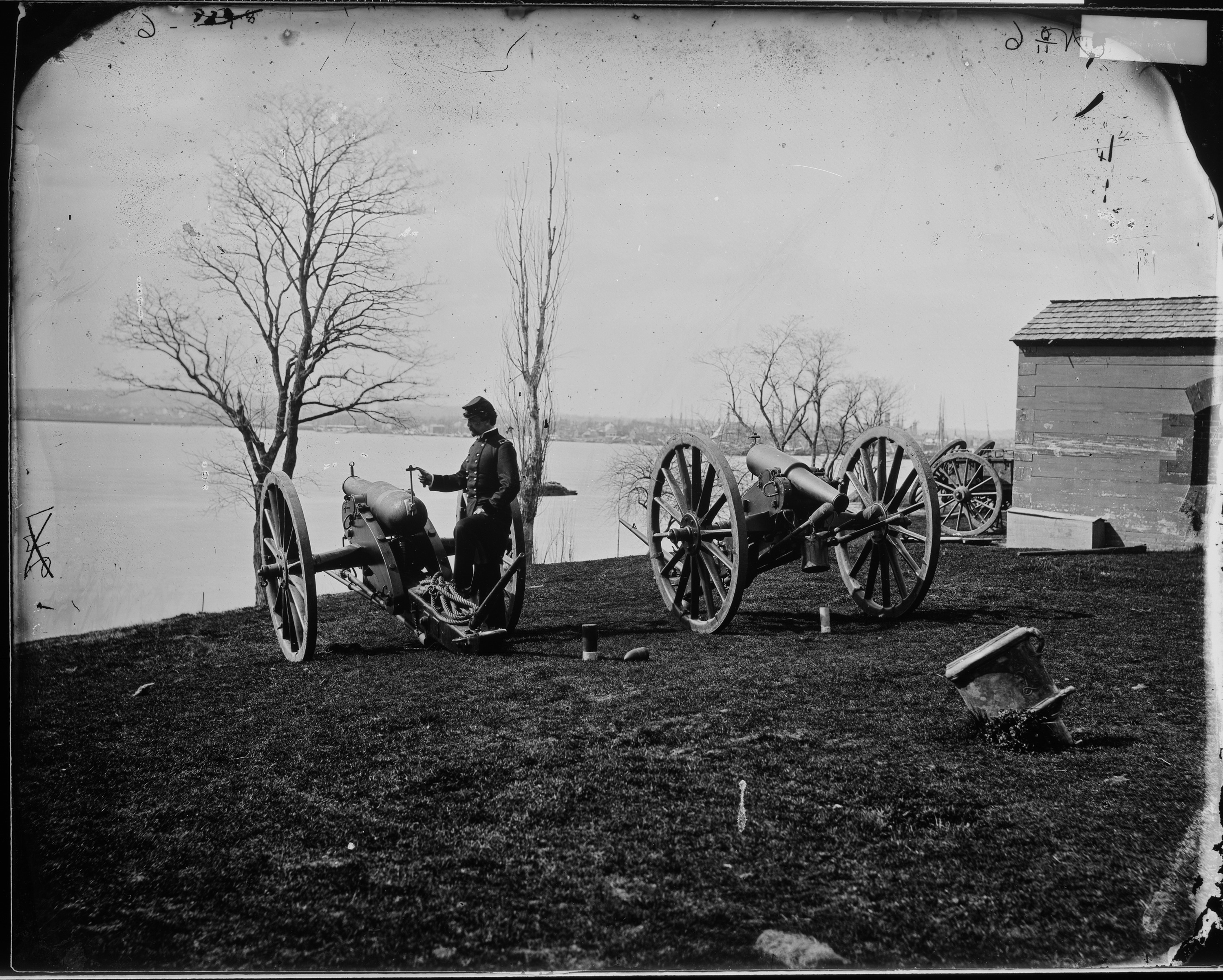
What happened next defied all military logic. Instead of running, the teenager began loading canister rounds—essentially turning his cannon into a giant shotgun. Each blast sent hundreds of metal balls screaming into the Confederate ranks at point-blank range.
Loading a Civil War cannon normally required a crew of six men. This boy did it single-handed, ramming home charge after charge while enemy bullets whined past his head. For crucial minutes, one cannon and one teenager held back an entire Confederate advance.
The Paperwork That Nearly Lost a Hero
Military bureaucracy almost erased this boy from history entirely. His service records listed him as a private in the infantry rather than artillery crew, creating decades of confusion for historians trying to piece together what happened at Cedar Creek.
Civil War record-keeping was notoriously chaotic. Units changed designations, men transferred between roles, and in the heat of battle, paperwork often came last. When the boy's original enlistment papers went missing, his story nearly disappeared with them.
It took determined researchers years to connect the dots between witness accounts and official records. Even now, we don't know his full name or what happened to him after the war.
Sheridan's Ride Steals the Show
General Philip Sheridan's famous twenty-mile gallop from Winchester to Cedar Creek became the stuff of legend. Thomas Buchanan Read's poem "Sheridan's Ride" turned the general into a household name across America.
But poetry and popular history have a way of simplifying complex events. While Sheridan's arrival certainly helped rally the troops, the real heroes were soldiers like our teenage gunner who bought precious time with their blood and courage.
It's easier to remember one dramatic figure on horseback than countless individual acts of valor. Unfortunately, this means stories like those of ordinary soldiers who performed extraordinary deeds often fade into obscurity.
The Unsung Heroes of Cedar Creek
Our young artilleryman wasn't the only forgotten hero that morning. Across the battlefield, individual soldiers made split-second decisions that changed history's course. A sergeant who rallied broken infantry units. A cavalry trooper who held a crucial crossroads. A medical orderly who saved lives under fire.
These stories matter because they remind us that history isn't just made by famous generals and politicians. Sometimes it's shaped by teenagers who refuse to abandon their posts, even when facing impossible odds.
Just as Robert Smalls showed extraordinary courage under pressure, our young gunner at Cedar Creek proved that heroism comes in all ages and ranks.
What forgotten hero from your family's military history deserves to be remembered? Share their story in the comments below, or pass this article along to someone who appreciates the courage of ordinary people in extraordinary circumstances.