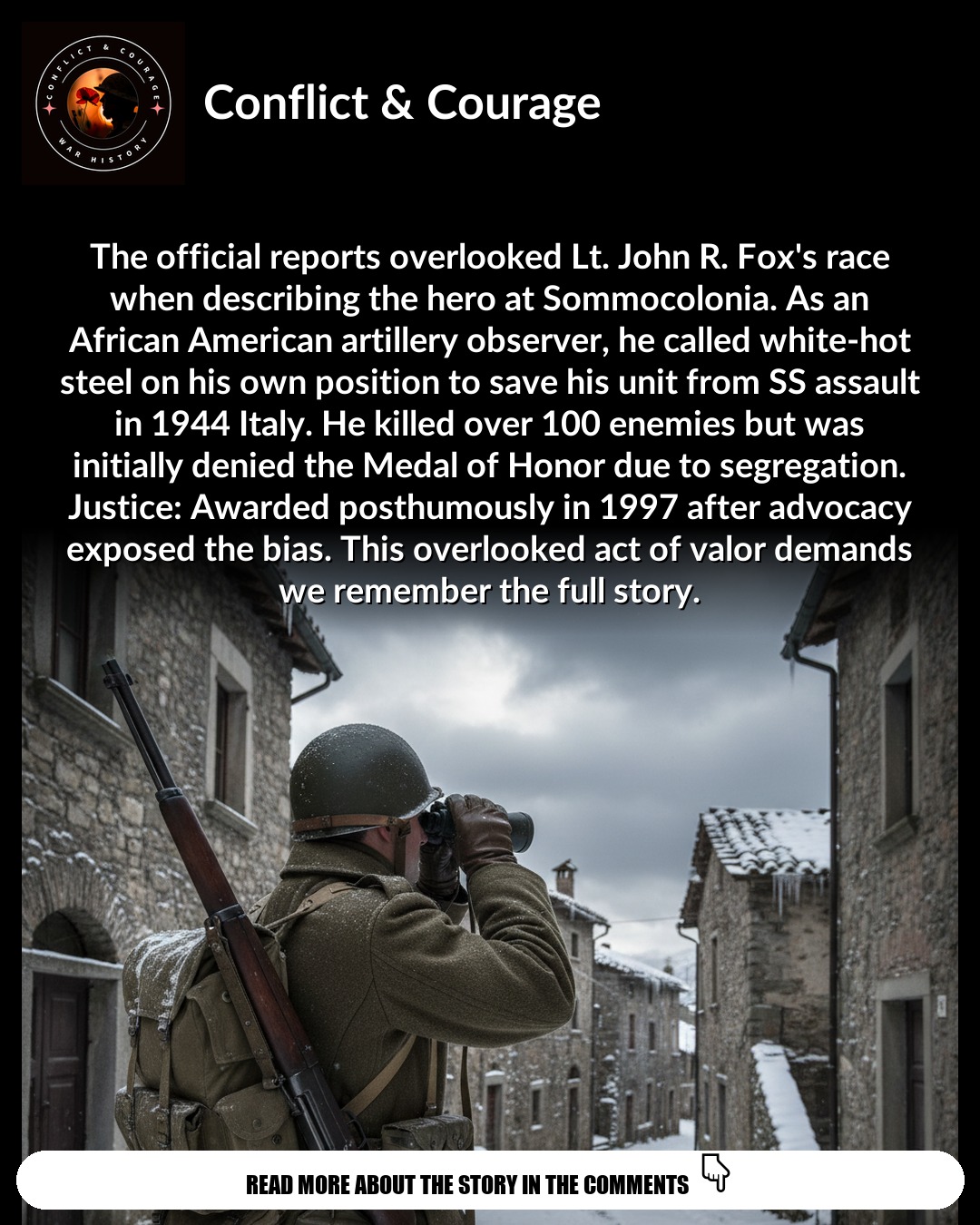
In the frozen mountains of northern Italy, Christmas 1944 brought no peace. For the men of the 92nd Infantry Division, known as the Buffalo Soldiers, the holiday season meant facing elite German SS troops in brutal winter conditions. What happened in the small village of Sommocolonia that December would create a hero whose sacrifice went unrecognized for over half a century.
The Forgotten Heroes of the 92nd Infantry Division
The 92nd Infantry Division carried the proud legacy of the Buffalo Soldiers into World War II, but they fought under the burden of segregation and doubt. These Black soldiers served in separate units, often with white officers who questioned their courage and capability. The Italian campaign of 1944-1945 would prove their mettle in the most brutal mountain warfare imaginable.
In December 1944, the 92nd held defensive positions in the treacherous Apennine Mountains. Sommocolonia, a tiny village perched high in the peaks, seemed like an unlikely place for heroism. But strategic locations rarely announce themselves with fanfare—they're often discovered in moments of desperate need.
For decades, official histories credited the village's successful defense to collective effort. The truth about one lieutenant's extraordinary sacrifice remained buried in classified reports and fading memories, another casualty of systemic racism that plagued military recognition during the war.
Sommocolonia Under Siege: Christmas 1944
The German attack came through a howling blizzard on December 26, 1944. Elite SS mountain troops, experts in winter warfare, struck the American positions with devastating surprise. These weren't ordinary Wehrmacht soldiers—they were specially trained alpine fighters who knew how to use the brutal weather as a weapon.
The Buffalo Soldiers found themselves outnumbered and outgunned in impossible terrain. Snow blinded their vision while German forces closed in from multiple directions. In minutes, what had been a quiet defensive position became a life-or-death struggle for survival.
As American forces began falling back under overwhelming pressure, one young lieutenant faced an impossible choice. His men needed covering fire to escape, but someone had to stay behind to direct the artillery that could stop the German advance.
One Man's Ultimate Sacrifice
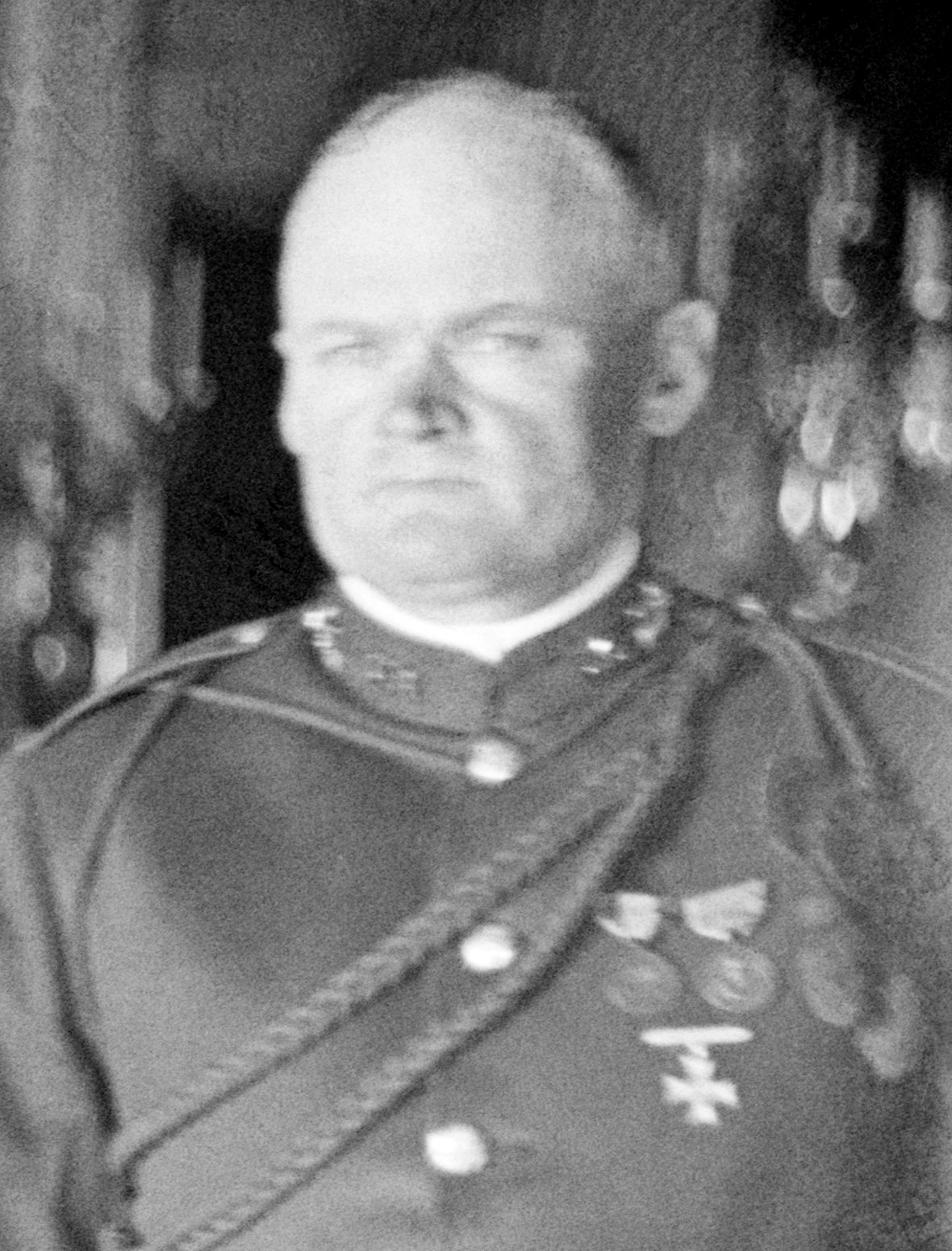
The lieutenant's radio crackled with desperate communications as his unit retreated down the mountainside. Enemy forces were closing fast, and only accurate artillery fire could buy his comrades the time they needed to reach safety. But the math was brutally simple—to be effective, those shells would have to land right on his position.
With steady hands and an unwavering voice, he called in the coordinates. Each transmission brought death closer, but also gave his men precious seconds to escape the trap. His final radio messages revealed a man who understood exactly what his sacrifice would cost.
The artillery barrage that followed was devastating in its precision. When the shells stopped falling and the smoke cleared, the German advance had been shattered. The lieutenant had bought his unit's survival with his life, just as he knew he would.
The Grim Discovery: Bodies in the Snow
Search teams reached the lieutenant's position days later, after the weather cleared and the immediate tactical situation stabilized. What they found defied belief—one American soldier's body surrounded by nearly 100 German casualties. The evidence told a story of incredible courage and fighting skill.
Shell craters marked where the artillery had struck, but the close-quarters combat had been fierce and personal. Empty ammunition clips and German equipment scattered around the position revealed the intensity of the final fight. This wasn't just about calling in artillery—it was about a warrior who fought to his last breath.
The scene spoke to something beyond mere duty. Here was proof that when pushed to the ultimate test, this Buffalo Soldier had displayed the kind of heroism that defines the Medal of Honor. Yet his initial recommendation was downgraded to a lesser award.
![[U.S. Army Medal of Honor with neck band]](https://pub-1a77e7db170042adb48eb7b660a445d6.r2.dev/pd-library/US_Army_Medal_of_Honor_with_neck_band_7e463d597a.jpg)
The Long Wait for Recognition
Military bureaucracy and racial prejudice conspired to deny the lieutenant his rightful recognition. His Medal of Honor recommendation was quietly reduced to a Distinguished Service Cross, joining countless other instances where Black soldiers' heroism was systematically undervalued during World War II.
The pattern was disturbingly consistent across the military. Similar stories of delayed recognition would emerge from other conflicts, highlighting how heroism was often measured by the color of the hero's skin rather than the content of their character.
It wasn't until the 1990s that Congress mandated a comprehensive review of military decorations for Black World War II veterans. Researchers combed through thousands of records, looking for evidence of discrimination in the award process. The lieutenant's case stood out as particularly egregious.
Justice Delayed: The 1997 Medal of Honor Ceremony
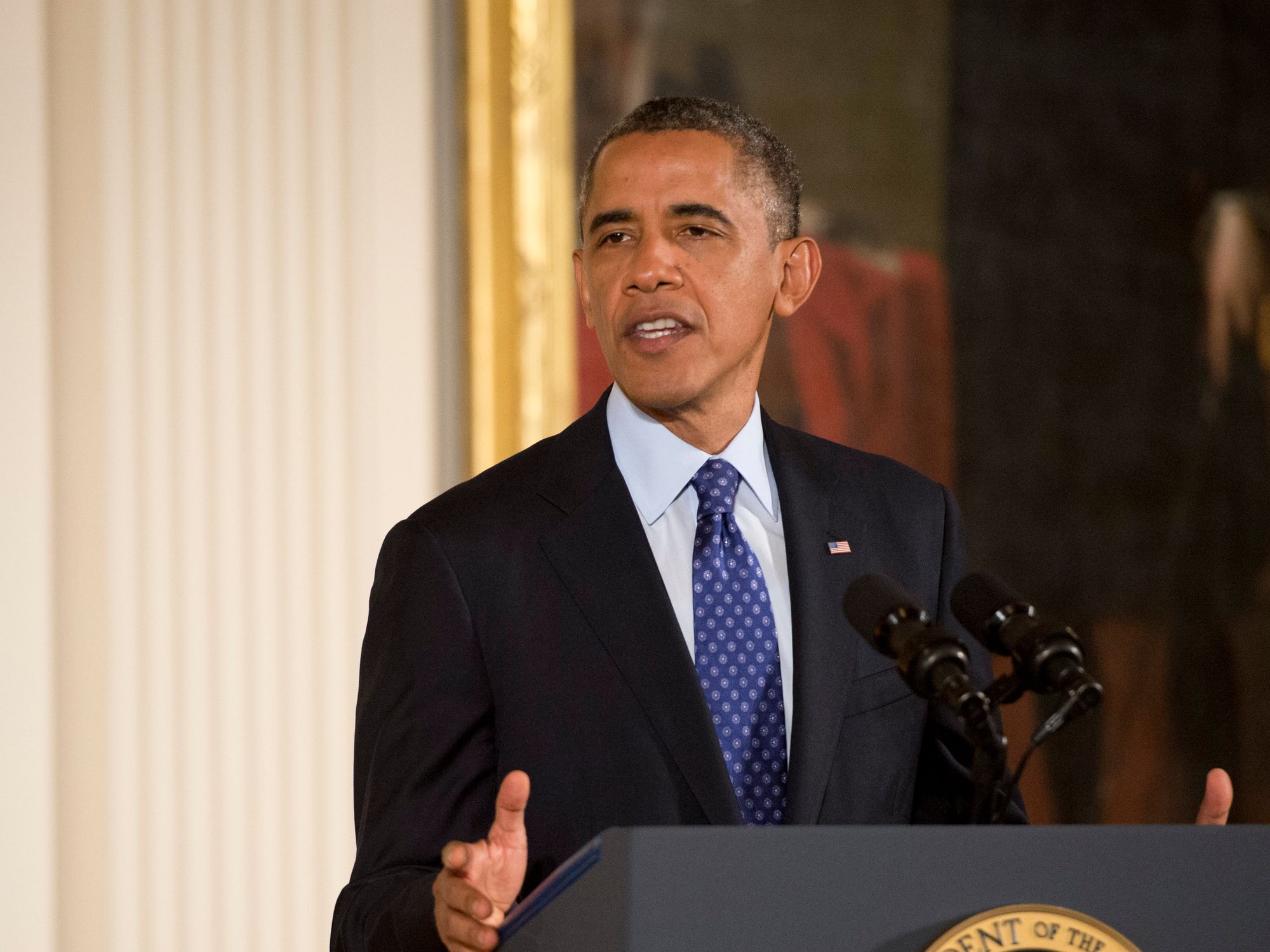
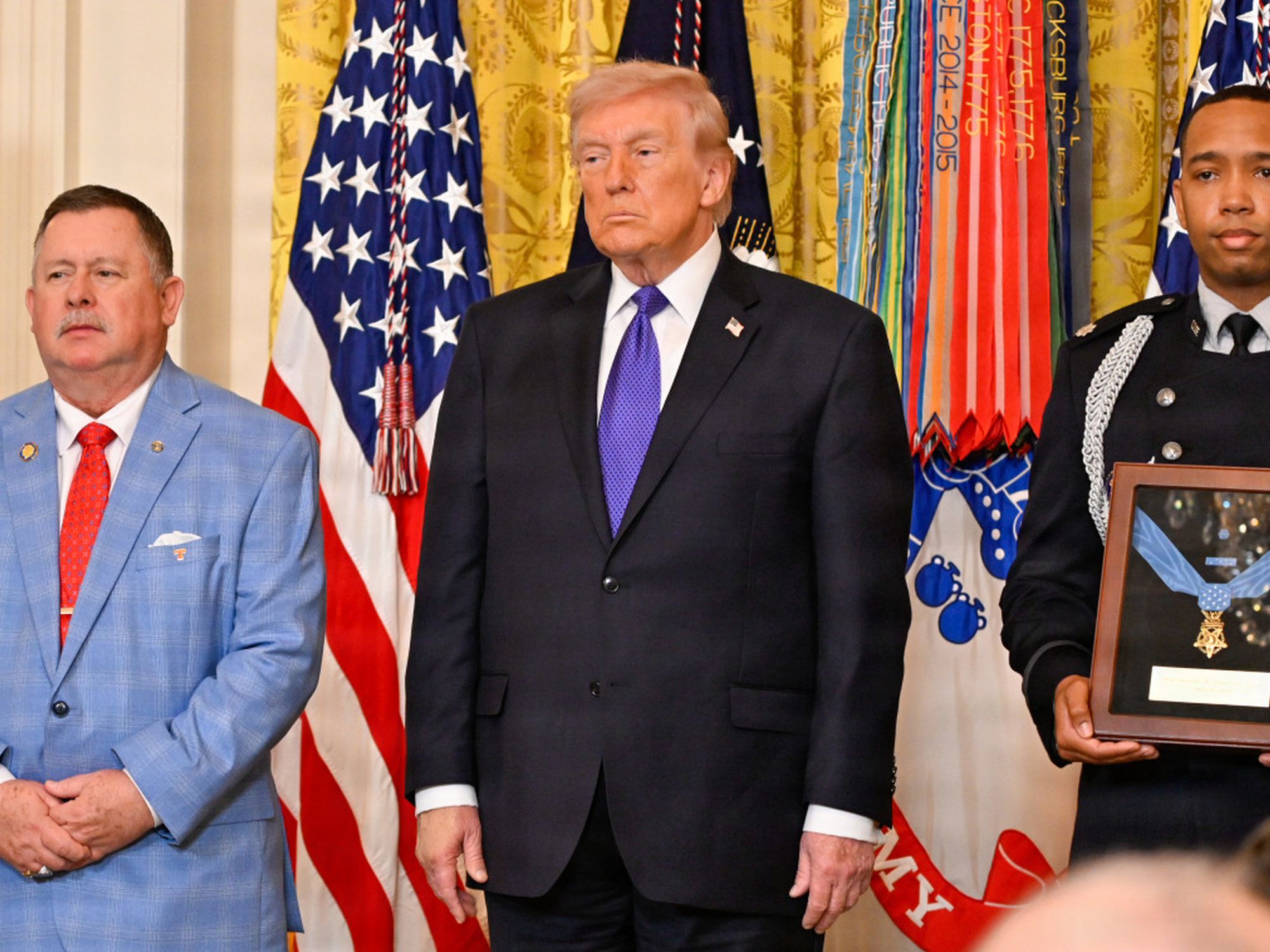
On January 13, 1997, President Bill Clinton stood in the White House East Room to right a 52-year-old wrong. Seven Black World War II veterans finally received their Medal of Honor recognition, though most would receive it posthumously. The lieutenant's family members stepped forward to accept the nation's highest military decoration on his behalf.
The ceremony carried the weight of decades of injustice finally being acknowledged. These weren't just medals being awarded—they were admissions that America had failed to properly honor its heroes because of their race. The emotional impact rippled through the military history community and beyond.
For the families present, vindication came mixed with profound sadness. Their loved ones had died knowing their sacrifice was worthy of the highest recognition, yet they never lived to see that recognition granted.
Legacy of Courage Under Fire
The lieutenant's sacrifice at Sommocolonia represents the broader story of the 92nd Infantry Division and all Black soldiers who served with distinction in World War II. Despite facing discrimination and doubt, they proved their courage in the crucible of combat time and again.
Stories of individual heroism like this one remind us that courage knows no color boundaries. The willingness to sacrifice everything for one's comrades is the universal language of military honor, spoken by heroes of every background throughout history.
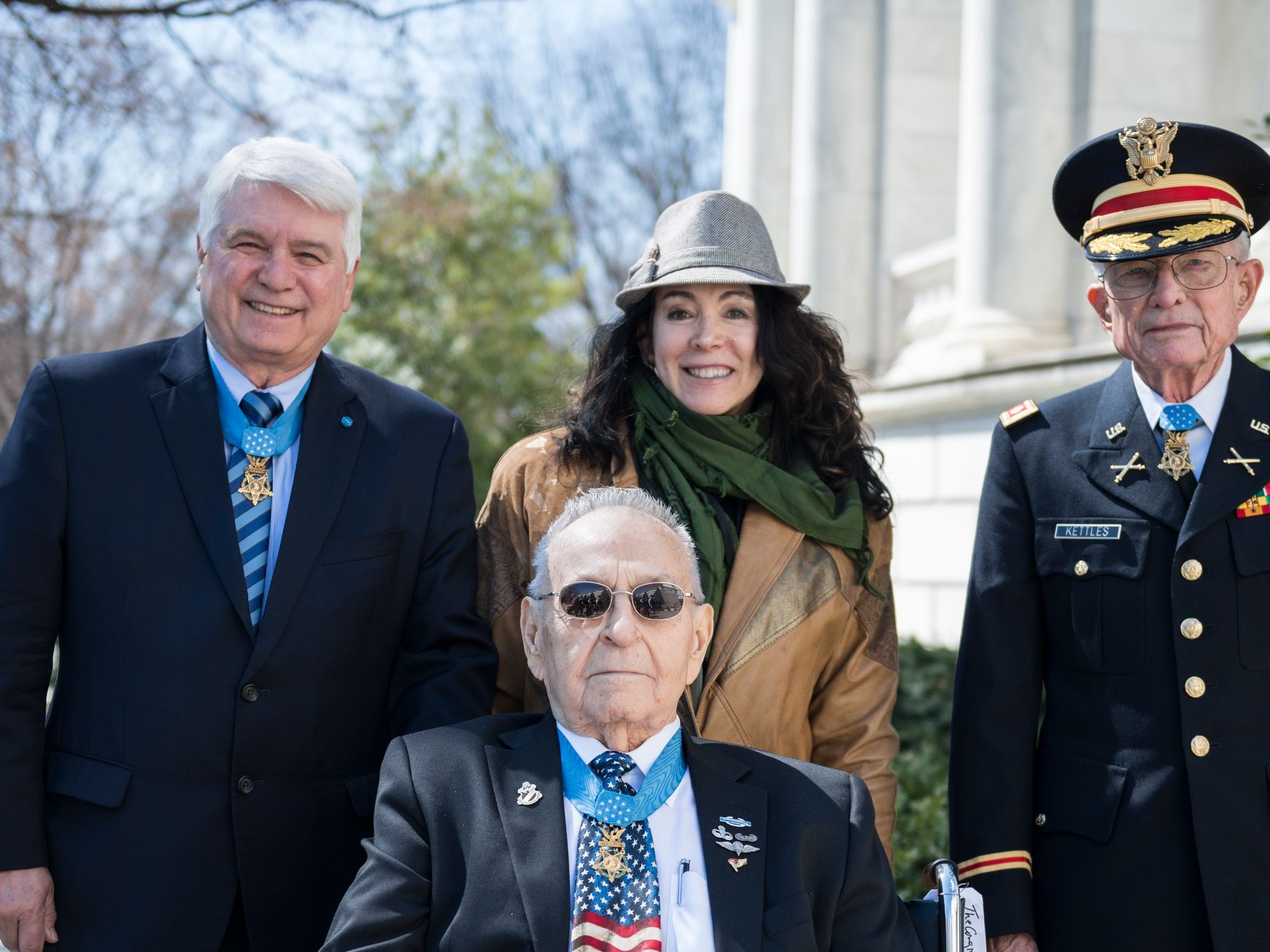
Today, the lieutenant's Medal of Honor serves as both recognition of extraordinary valor and reminder of how long justice can take to arrive. His story illuminates not just one man's courage, but an entire generation of forgotten heroes whose contributions shaped victory in America's greatest war.
What stories of delayed recognition and ultimate justice resonate most with you? Share your thoughts about how we can better honor all our military heroes, regardless of when their service took place or what they looked like in uniform.