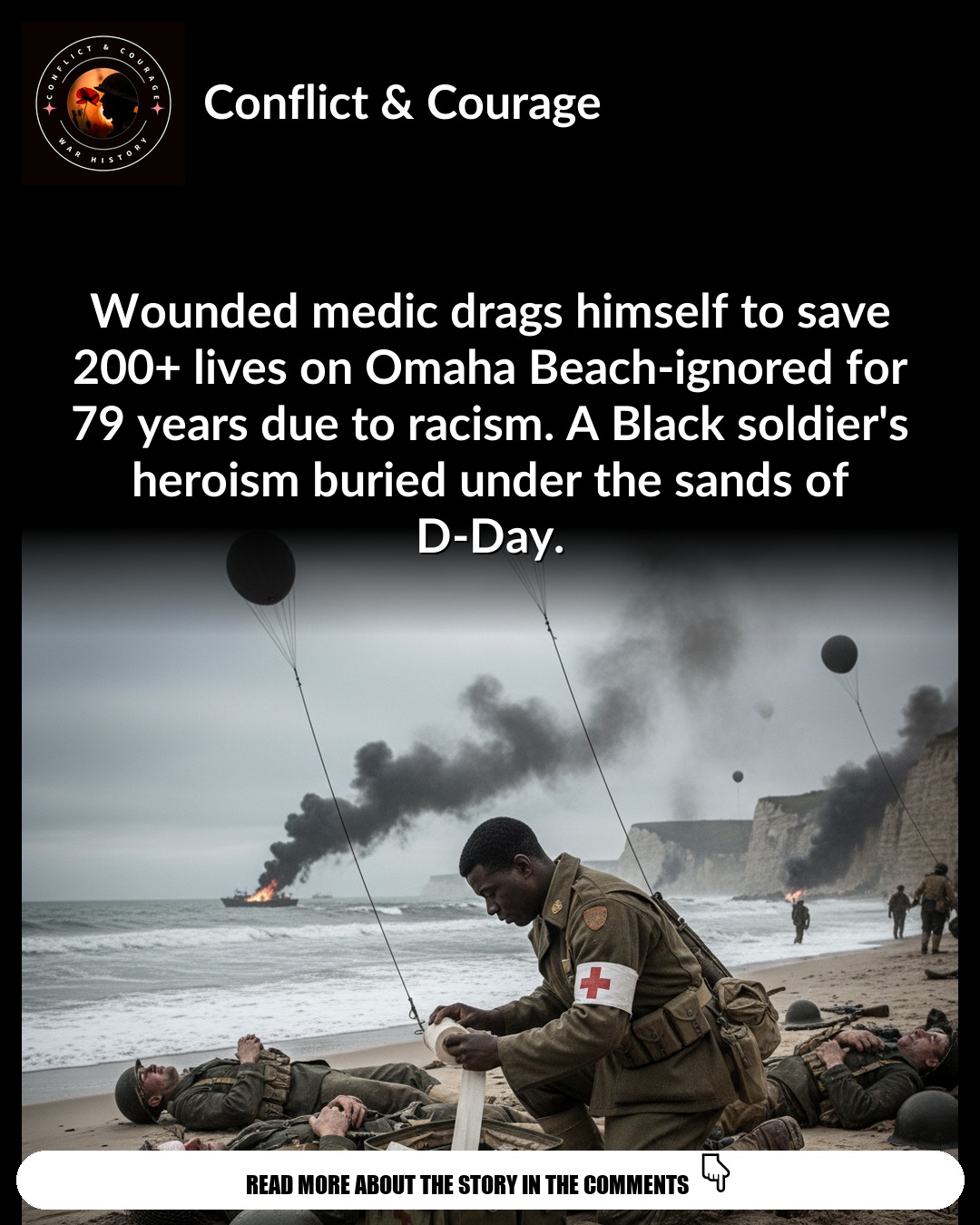
In the chaos and carnage of D-Day's bloodiest beach, one man stood apart from the celebrated heroes we remember today. While machine guns raked the sand and artillery shells exploded around him, a Black medic worked tirelessly to save lives, treating over 200 wounded soldiers despite suffering grave injuries himself. His story remained buried in military archives for nearly eight decades, another casualty of a system that failed to recognize the extraordinary courage of African American servicemen.
Today, that silence has finally been broken.
The Forgotten Hero of Omaha's Bloodiest Hour
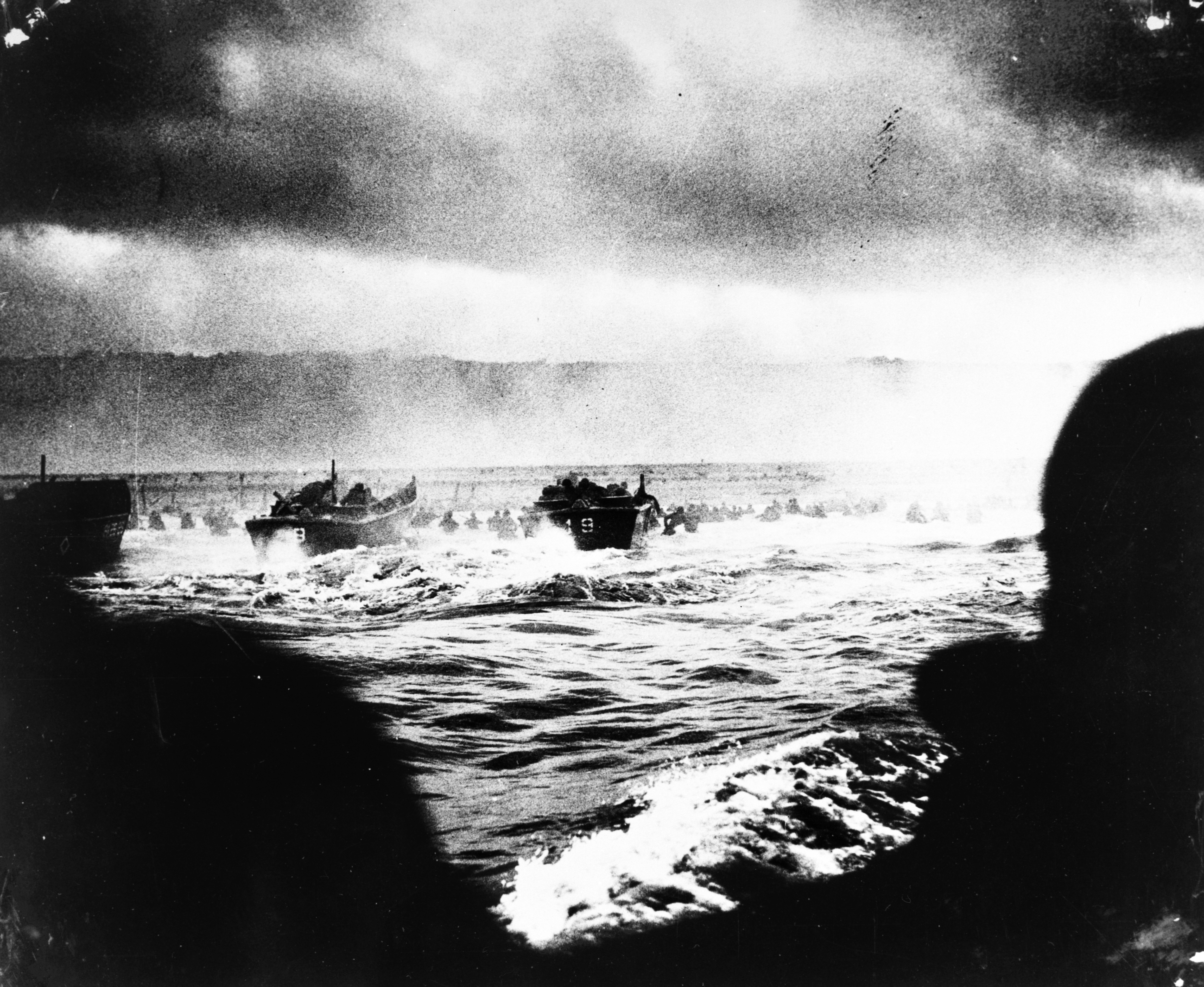
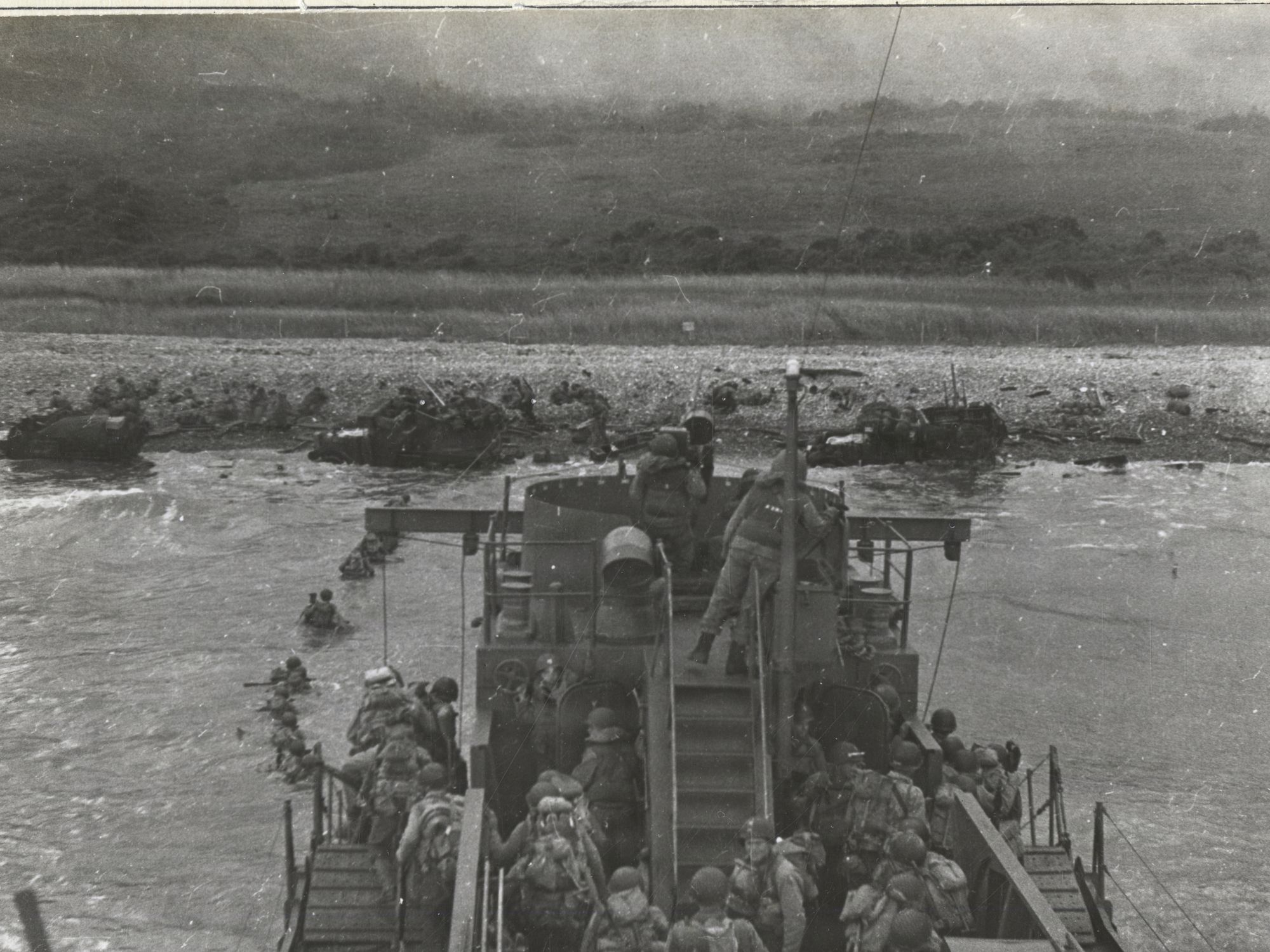
June 6, 1944. The first waves of American soldiers hit Omaha Beach to face a withering wall of German fire. Bodies littered the sand as men sought whatever cover they could find behind tank barriers and debris.
Among the chaos, medics faced an impossible choice: establish aid stations in relative safety far from the wounded, or set up directly in the killing zone where they were needed most. For one courageous Black medic, there was no choice at all.
While history books celebrate the famous D-Day heroes, stories like this one remind us that courage came in many forms that day. Some of the most extraordinary acts of valor went unrecognized, hidden by the prejudices of the era and buried in forgotten reports.
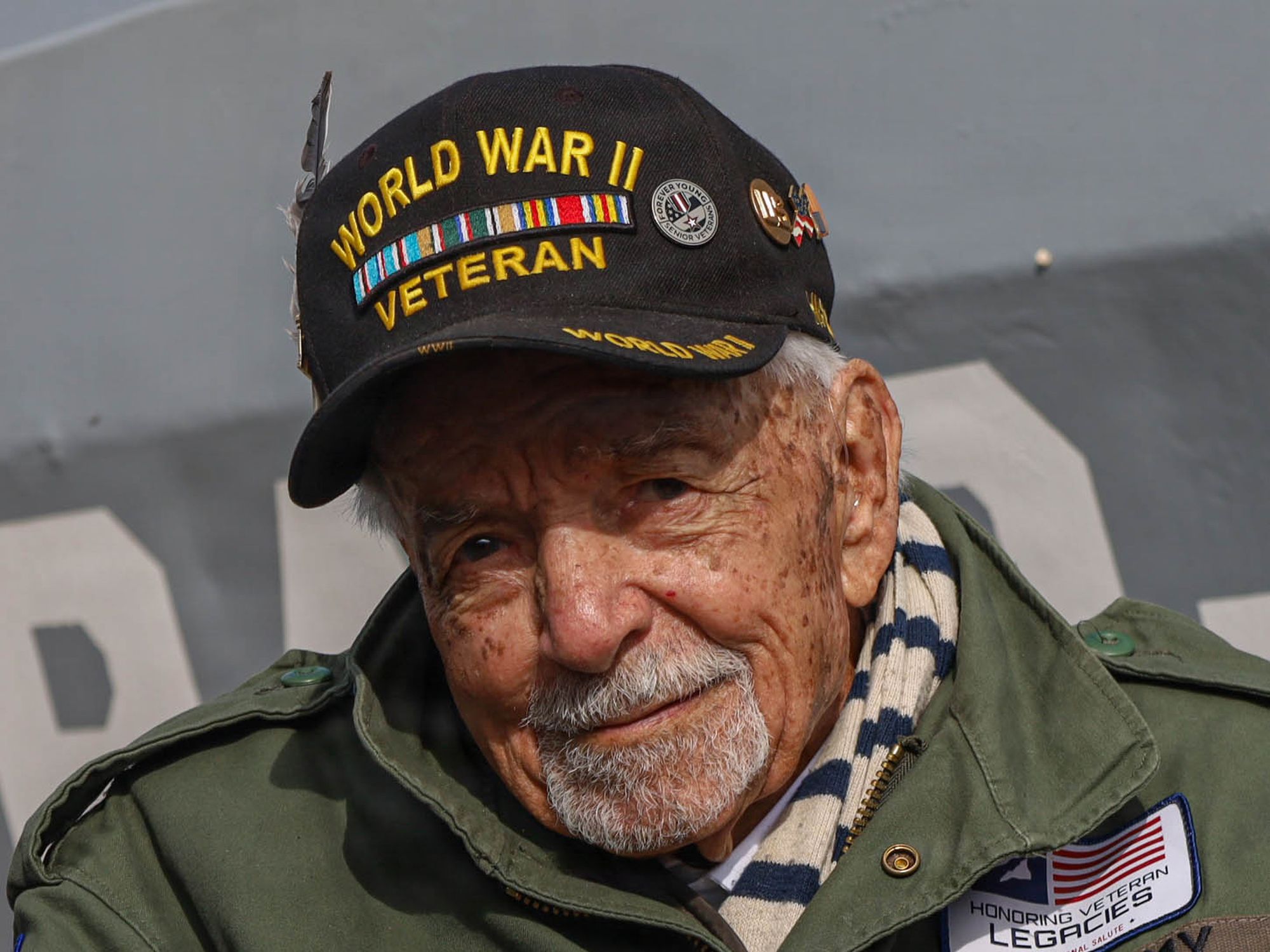
Under Fire: Setting Up an Aid Station in Hell
German machine gun nests positioned on the bluffs above Omaha Beach commanded perfect fields of fire across the landing zone. Every movement drew deadly attention from enemy gunners who showed no mercy for medical personnel.
Despite the obvious danger, our hero made the calculated decision to establish his aid station directly on the beach where the wounded lay dying. The red cross on his helmet and uniform offered no protection – German marksmen targeted medics as priority threats.
Under constant fire, he began the grim work of battlefield medicine. Each patient required him to expose himself to enemy observation, yet he never hesitated.
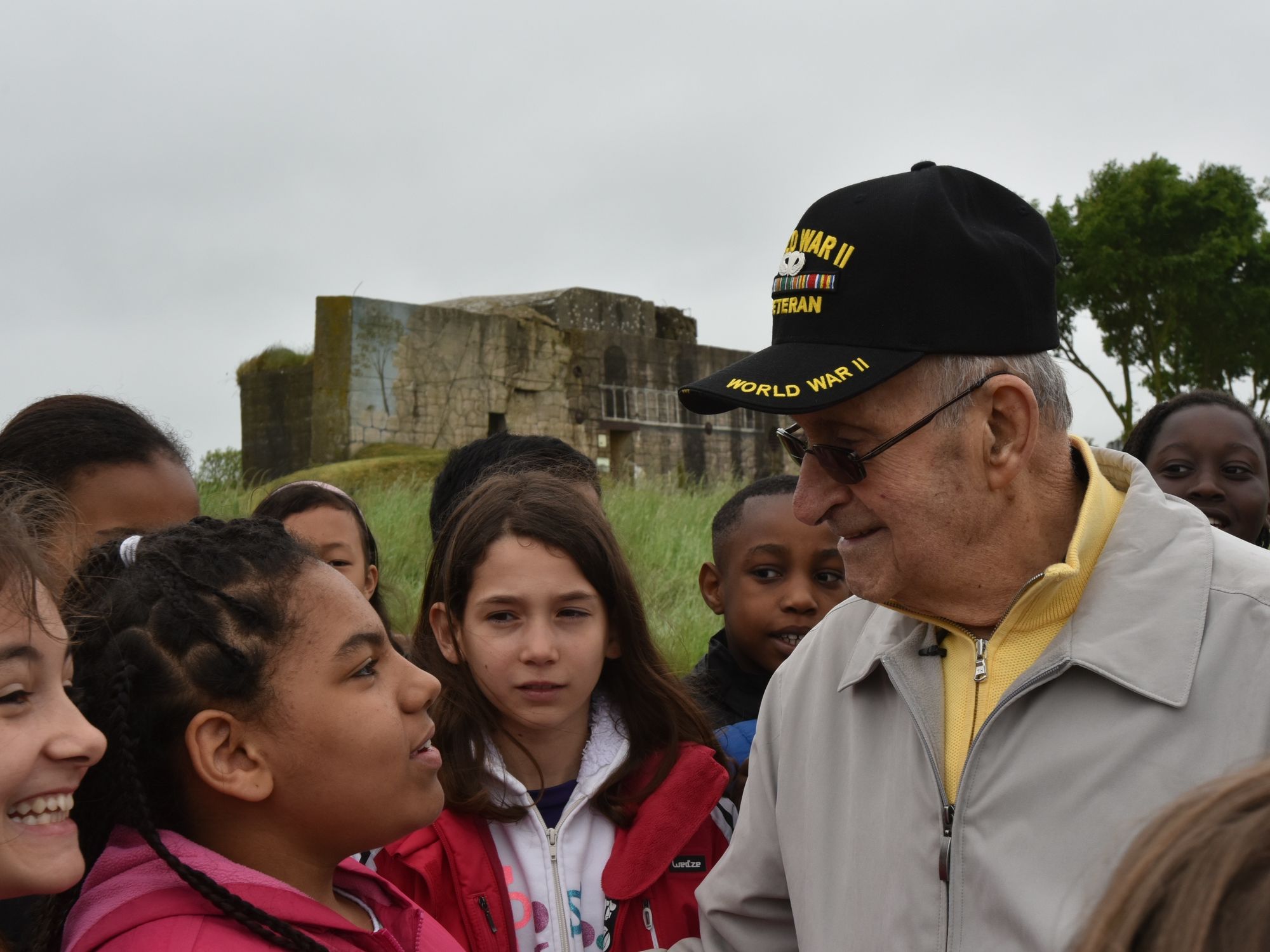
Wounded but Unstoppable: Treating 200+ While Bleeding
Early in the assault, enemy fire found its mark. A German bullet tore through his groin, sending searing pain through his body. Shrapnel from an exploding shell peppered his back and legs, drawing blood that mixed with the sand beneath his knees.
Any reasonable person would have sought medical attention. Instead, he pressed makeshift bandages against his wounds and continued working.
For hours, he moved from casualty to casualty, applying tourniquets, administering morphine, and performing emergency procedures that meant the difference between life and death. His own blood loss grew more severe with each passing hour, but still he worked.
The count of men he treated that day would eventually reach over 200 – an astounding number that speaks to both the carnage of Omaha Beach and his unwavering determination to save lives.
Targeted by Snipers: The Ultimate Test of Courage
As the day progressed, German snipers began deliberately targeting the medical personnel working on the beach. The distinctive red cross that should have provided protection instead painted a bullseye on every medic's back.
Our hero adapted quickly to this deadly game. He learned to work in short bursts, treating wounded soldiers before moving to new positions to avoid sniper fire. When direct treatment was impossible, he called out instructions to other soldiers on how to help their wounded comrades.
The psychological pressure was immense. Every time he knelt beside a wounded soldier, he knew enemy marksmen were likely taking aim. Yet he never let fear override his duty to save lives.
The Collapse: When Heroes Reach Their Limit
Even heroes have physical limits. After hours of treating the wounded while losing blood from his own injuries, his body finally surrendered. He collapsed beside the aid station he had maintained throughout the longest day.
Fellow soldiers who had watched his incredible performance immediately stepped in to help. They carried him to safety and ensured he received the medical attention he had selflessly provided to others.
His recovery would take weeks, but the soldiers he saved would carry the memory of his courage for the rest of their lives.
79 Years of Silence: Why Recognition Took So Long
The delay in recognizing this extraordinary heroism reflects a painful chapter in American military history. During World War II, systemic racism meant that Black servicemen's acts of valor were often overlooked or minimized in official reports.
While white soldiers received medals and recognition for similar acts of courage, many African American heroes like our D-Day medic saw their stories buried in forgotten files. The military's segregated structure created barriers to proper recognition that persisted long after the war ended.
Recent decades have brought increased efforts to correct these historical injustices. Stories of forgotten heroes like Captain Donald Keith and others have sparked renewed interest in uncovering buried tales of extraordinary courage.
Finally Honored: A Hero's Recognition at Last
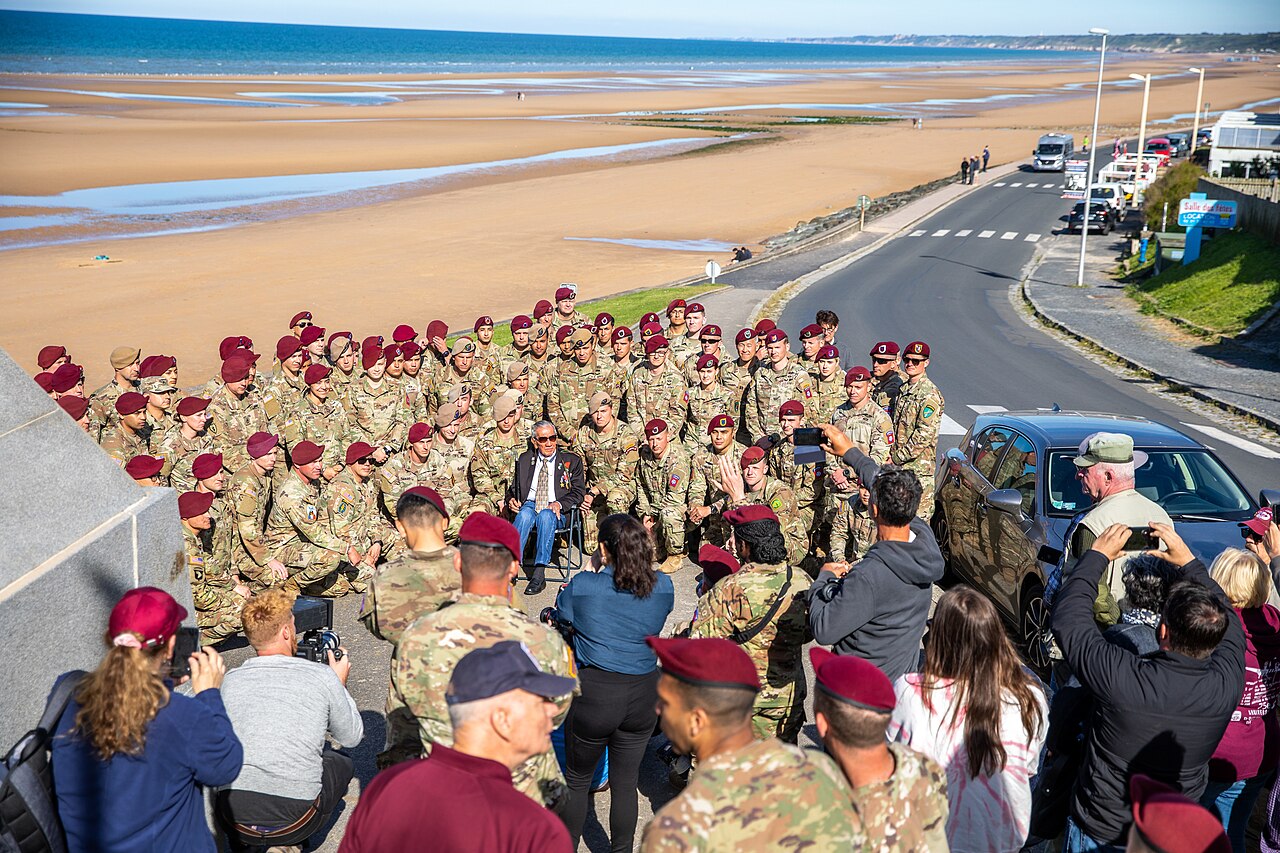
In a ceremony that was 79 years overdue, military officials finally acknowledged this medic's extraordinary valor on Omaha Beach. The recognition serves not just as honor for one man's courage, but as acknowledgment of a systematic failure to properly recognize Black servicemen's contributions.
This belated honor opens doors for other unrecognized African American veterans whose stories remain buried in military archives. Each recovered tale adds another piece to the complete picture of American courage in wartime.
The ceremony reminds us that heroism knows no color, and that our understanding of history grows richer when we include all the voices that contributed to victory. Just as we celebrate other forgotten D-Day heroes, we must continue seeking out these lost stories of extraordinary courage.
What other forgotten heroes from D-Day and beyond deserve recognition? Share your thoughts in the comments below, and help us continue uncovering the complete story of American military courage. Every shared story brings us closer to honoring all who served with distinction.