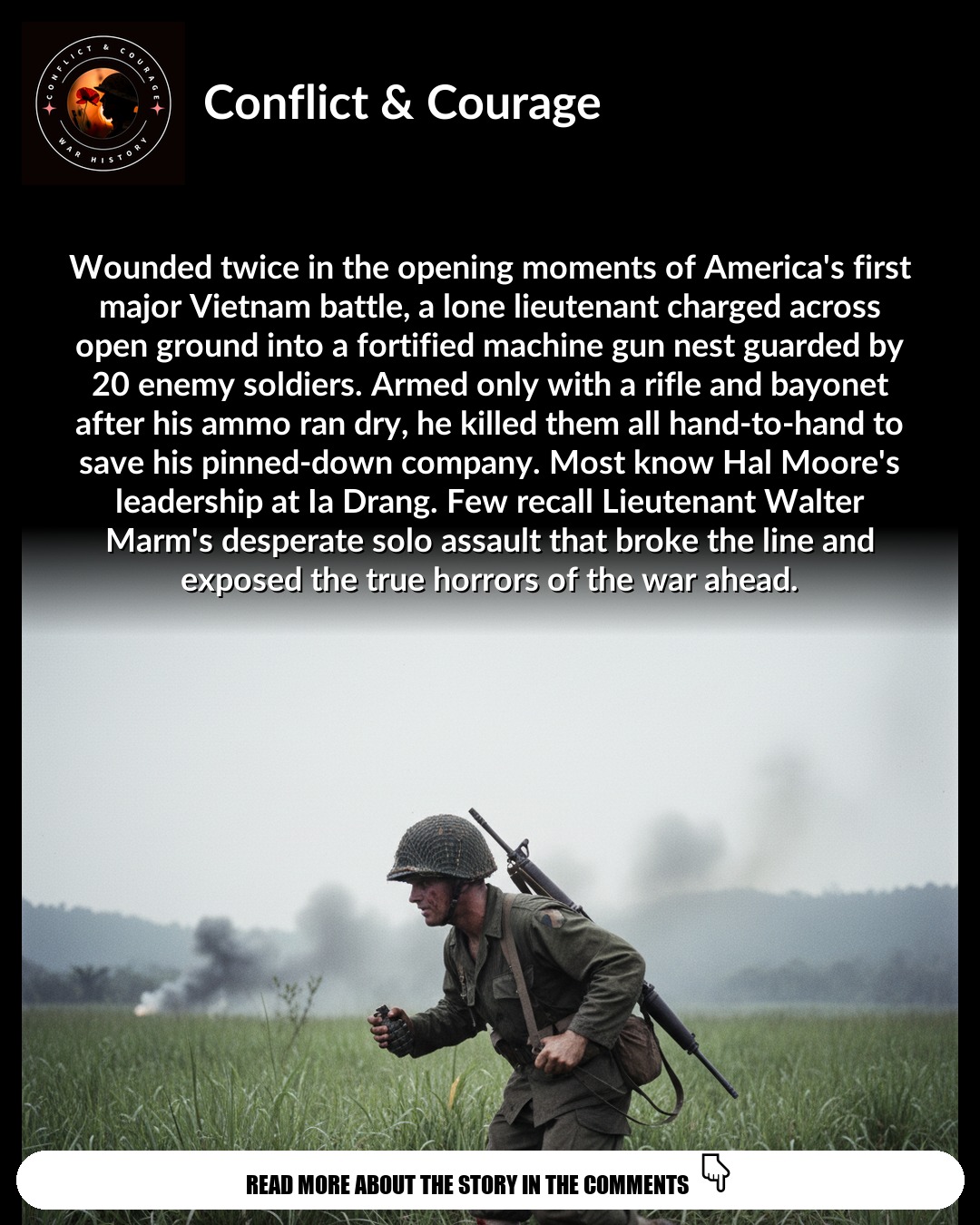
In November 1965, the Ia Drang Valley became the crucible where American forces first faced the North Vietnamese Army in large-scale combat. While history remembers Lieutenant Colonel Hal Moore's brilliant leadership during this pivotal battle, another story remained buried in classified after-action reports for decades — the tale of a young lieutenant whose desperate courage turned certain defeat into hard-fought victory.
The Battle That Changed Everything
The Ia Drang Valley battle marked a turning point in the Vietnam War. For the first time, American forces engaged the North Vietnamese Army in conventional warfare, testing new air mobility tactics against a determined, well-trained enemy.
Lieutenant Colonel Hal Moore's 1st Battalion, 7th Cavalry Regiment, had landed in Landing Zone X-Ray on November 14, 1965. What began as a reconnaissance mission quickly escalated into a fierce three-day battle that would define jungle warfare tactics for years to come.
By the second day, Moore's men faced overwhelming odds. North Vietnamese forces had surrounded the landing zone, and one company found itself pinned down by devastating machine gun fire from a concealed enemy position.
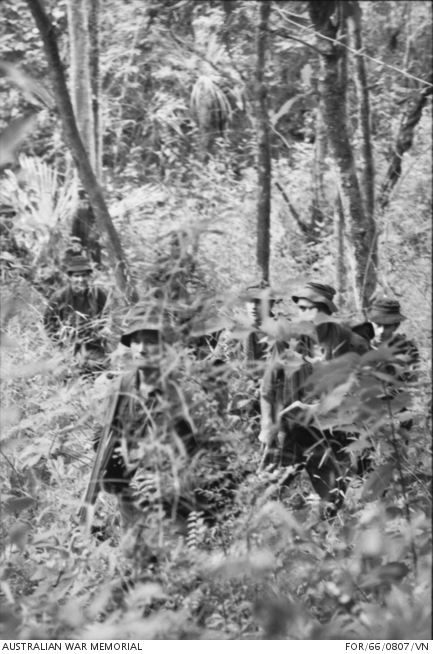
When Heroes Rise from the Ranks
As bullets raked the tall elephant grass, a 29-year-old lieutenant watched his men take casualties. The company's advance had stalled completely under the withering fire from a well-positioned North Vietnamese machine gun nest.
Military doctrine called for artillery support and coordinated assault tactics. But with men dying and ammunition running low, doctrine became a luxury they couldn't afford. Sometimes leadership means making the impossible decision in the space of a heartbeat.
Junior officers like this lieutenant often find themselves at history's crossroads. Unlike the stories of individual heroism we've heard from other conflicts, this moment required someone to abandon safety and charge alone into almost certain death.
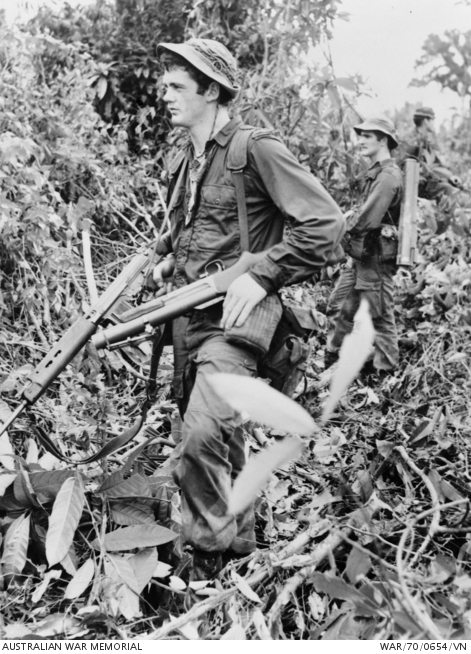
Charging Through the Tall Grass
What happened next defied both military logic and human instinct. The lieutenant rose from cover and began a solitary assault across open ground, straight into the enemy's killing field.
Machine gun bullets found their mark quickly. One round tore through his face, another shattered his leg. His men shouted for him to take cover, but he pressed forward through the eight-foot-tall grass that provided minimal concealment.
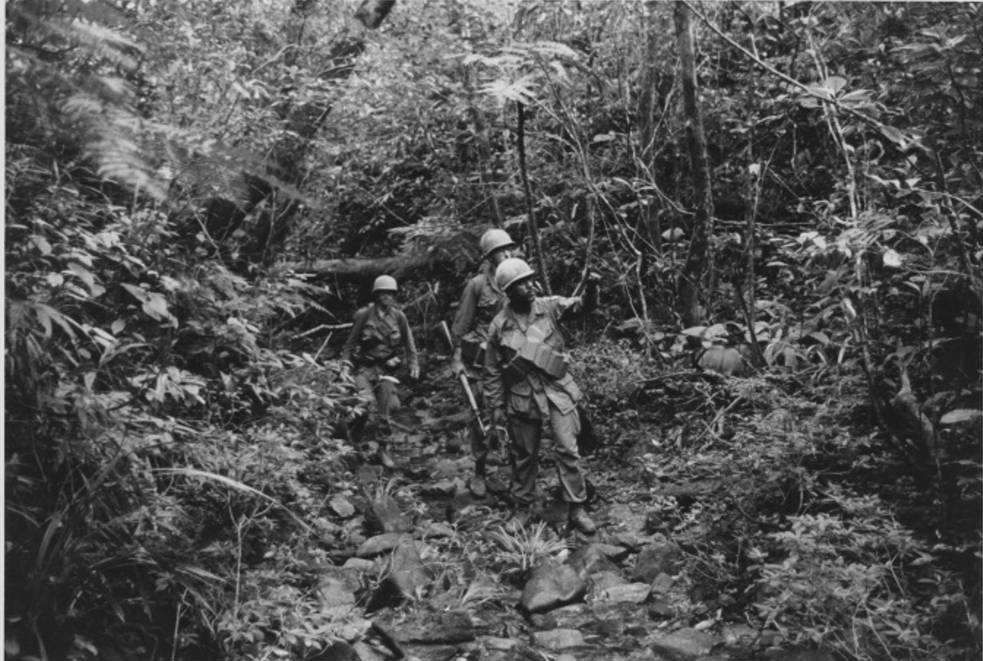
The jungle terrain that had sheltered the enemy now worked against them. Using the vegetation for partial cover, the wounded officer methodically advanced on the machine gun position, fighting through pain and blood loss that would have stopped most men cold.
Twenty Against One: The Final Stand
Reaching the enemy position meant facing twenty North Vietnamese soldiers in the most brutal form of combat — close-quarters fighting with rifles, bayonets, and desperate determination.
What followed was the kind of savage, personal warfare that official reports struggle to capture. No grand strategy or tactical brilliance — just one wounded American officer fighting for his life and his men's survival in a jungle clearing.
Like the heroes at other Vietnam battlefields, this lieutenant discovered that training can only prepare you so much. When death comes calling, survival depends on something deeper — the refusal to quit when quitting means your comrades die.
![[U.S. Army Medal of Honor with neck band]](https://pub-1a77e7db170042adb48eb7b660a445d6.r2.dev/pd-library/US_Army_Medal_of_Honor_with_neck_band_7e463d597a.jpg)
Left for Dead, Found Alive
When his men finally reached the silenced machine gun nest, they expected to find their lieutenant's body. Instead, they discovered him bloodied but breathing, surrounded by the evidence of his desperate fight.
Even then, his first words weren't about his wounds or evacuation. He urged them forward, knowing the position had to be secured before enemy reinforcements arrived. His sacrifice had created the opening they needed.
The company's successful advance turned the tide of that sector's fighting. What had seemed like inevitable defeat became a crucial tactical victory in the larger battle for Landing Zone X-Ray.
Buried in the Archives
For decades, this extraordinary act of courage remained hidden in classified after-action reports. Unlike the Medal of Honor recipients whose stories became legend, this lieutenant's heroism stayed buried in military bureaucracy.
Official Medal of Honor citations sometimes capture only part of the story. The full details — the personal terror, the split-second decisions, the raw courage — often get lost in formal military language.
Recent efforts by military historians have begun uncovering these forgotten Vietnam heroes, recognizing that battlefield reality often differs dramatically from official history.
Lessons from the Tall Grass
This story teaches us that leadership under fire often comes from unexpected places. While colonels and generals make strategic decisions, battles are frequently won by lieutenants and sergeants who refuse to accept defeat.
The human cost of victory in Vietnam's jungle war was measured in individual acts of extraordinary courage. Each personal story of sacrifice helped shape the larger historical narrative of American involvement in Southeast Asia.
These forgotten heroes matter not just for their courage, but for what they teach future generations about duty, sacrifice, and the moment when ordinary people choose to do extraordinary things.