Marcelino Serna was a Mexican-born immigrant with no citizenship papers and little English who became one of the most decorated soldiers in Texas history. In the fall of 1918 he single-handedly captured two dozen German prisoners in the Meuse-Argonne offensive. For his service he received the Distinguished Service Cross – the nation's second-highest award for valor, not the Medal of Honor – and to this day advocates argue he was denied the higher decoration because of his rank, his limited English, and his ethnicity.
An Immigrant Who Volunteered
Serna was born on 26 April 1896 at a mining camp outside Chihuahua City, Mexico. Around 1915 he immigrated to El Paso, Texas, where he worked on railway maintenance crews. In 1917, while working as a seasonal farm laborer in Colorado, he was detained by federal officials checking his draft status. Though he was a Mexican citizen with no obligation to serve, Serna volunteered for the United States Army.
After three weeks of training at Camp Funston, Kansas, he shipped to Europe as a private with Company B, 355th Infantry, 89th Division. When officials in France realized he was not a U.S. citizen and offered him a discharge, Serna declined and stayed with his unit.
Alone Against the Enemy
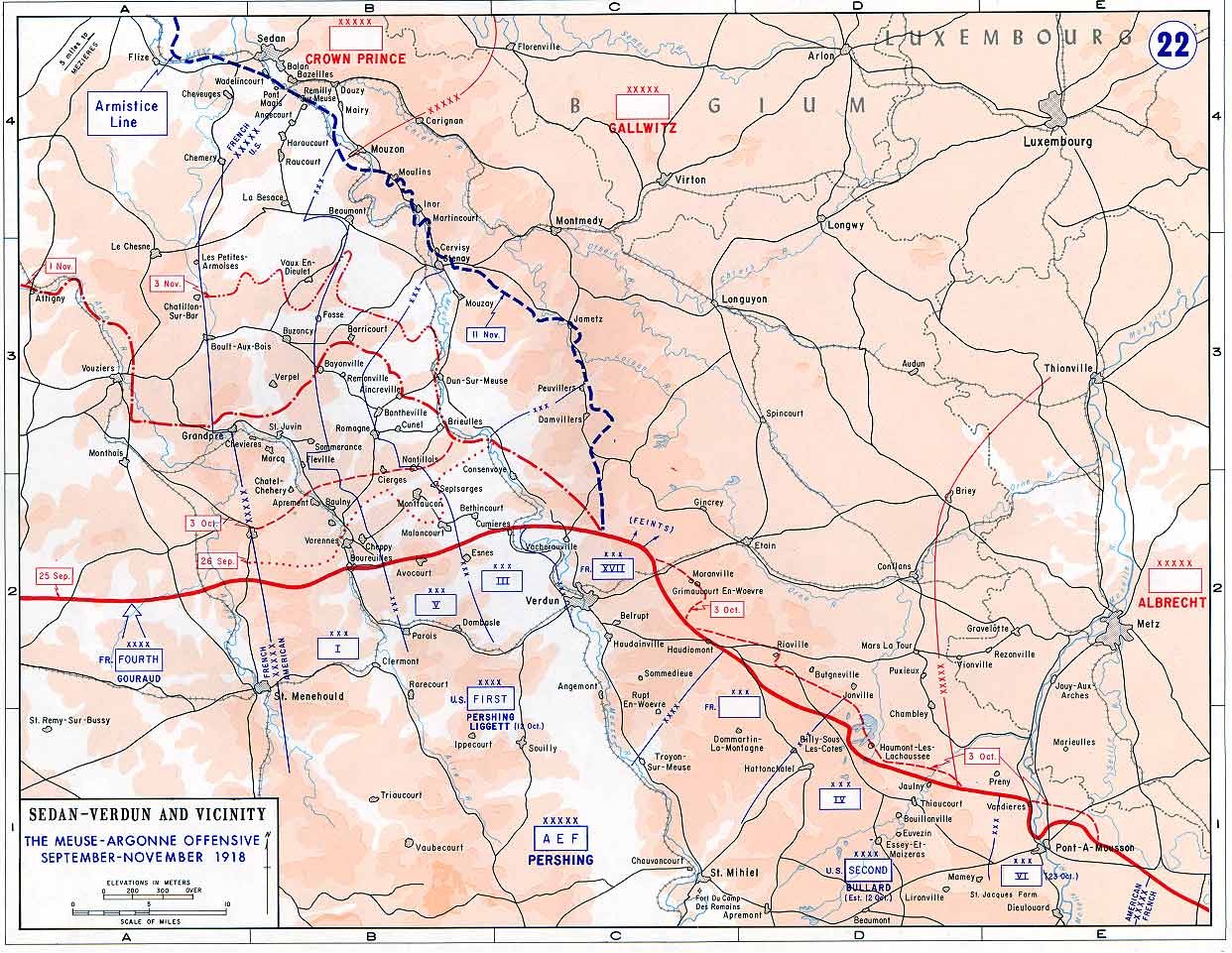
Serna fought through several sectors, including the Saint-Mihiel and Meuse-Argonne offensives. In one action his unit came under heavy machine-gun fire that killed several of his comrades, and Serna volunteered to scout ahead alone. He crept close enough to the emplacement to throw grenades into it, killing part of the crew and capturing the survivors.
His most famous feat came in the Meuse-Argonne. After spotting a German soldier in the distance, Serna again went forward alone, trailing the enemy to a trench. Armed with an Enfield rifle, a pistol, and grenades, he moved continually around the position, firing and throwing grenades from different angles until the defenders, convinced they faced a far larger force, surrendered. Serna took 24 German soldiers prisoner. When American reinforcements arrived and some wanted to execute the captives on the spot, Serna intervened and protected his prisoners, arguing that killing them would violate the rules of war.
On 7 November 1918, four days before the armistice, Serna was struck in both legs by sniper fire and evacuated to a hospital in France.
The Distinguished Service Cross – and the Missing Medal of Honor
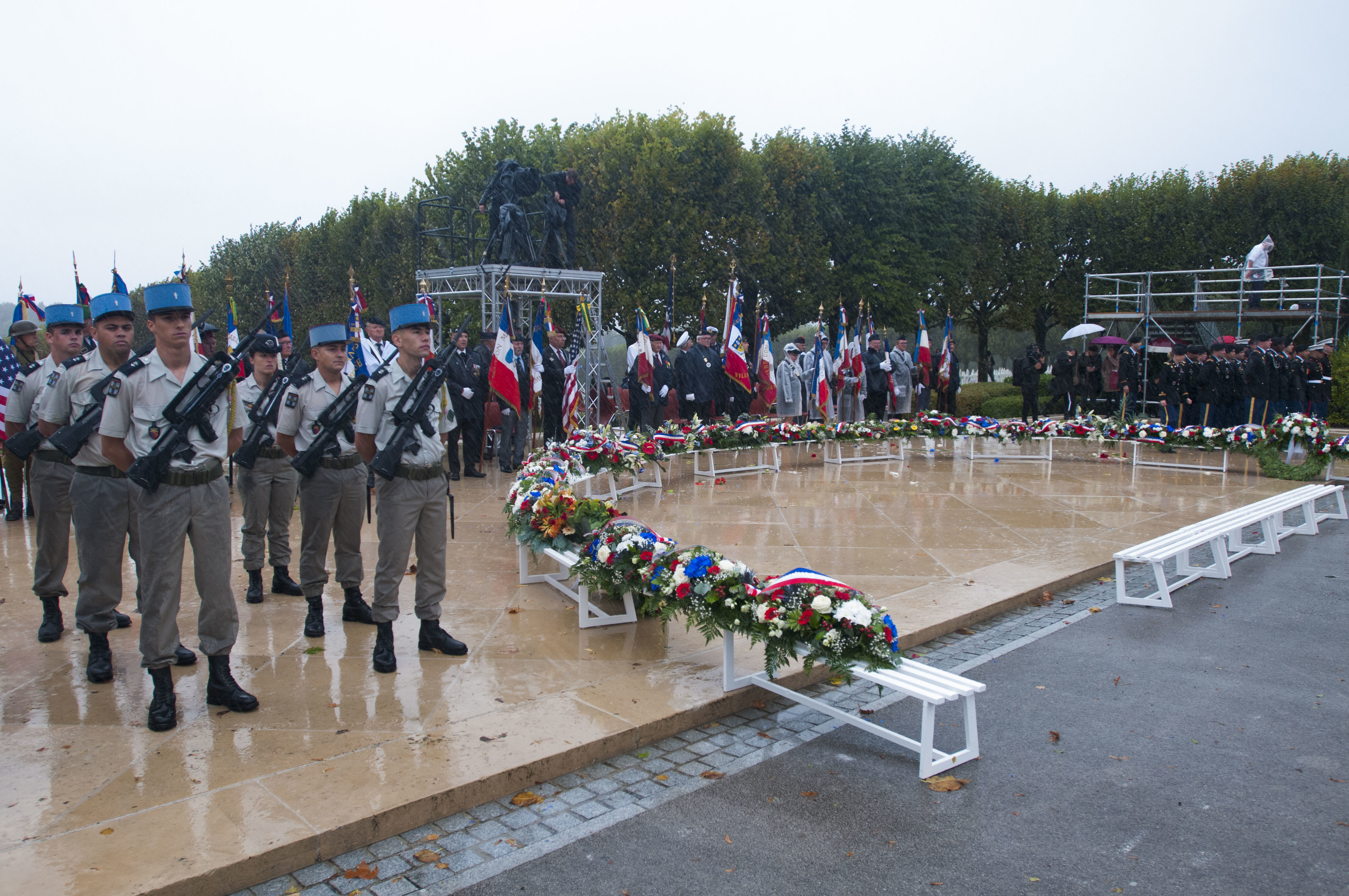
For his valor, General John J. Pershing awarded Serna the Distinguished Service Cross, making him the first Mexican American soldier to receive it. He also earned two French Croix de Guerre with palms – the first pinned on him personally by Marshal Ferdinand Foch – along with a French Medaille Militaire, an Italian Croce al Merito di Guerra, a Victory Medal, and two Purple Hearts. The tally made him one of the most decorated soldiers Texas has ever produced.
Serna himself recalled that his superiors declined to recommend him for the Medal of Honor because his rank was too low and his English was not considered strong enough for promotion. Others have attributed the omission to racial prejudice. In the decades since, veterans' groups and Texas politicians have repeatedly petitioned Congress to award him the Medal of Honor posthumously. Those efforts have so far been unsuccessful, and the campaign to upgrade his recognition continues.
A Quiet Life in El Paso
Discharged in May 1919, Serna returned to El Paso, married Simona Jimenez in 1922, and became a U.S. citizen in 1924. He worked as a truck driver, a civil service employee at Fort Bliss, and a plumber at William Beaumont Army Medical Center, retiring in 1961. A longtime member of his local Veterans of Foreign Wars post, he appeared in Veterans Day parades for years. Marcelino Serna died in El Paso on 29 February 1992 and was buried with full military honors at Fort Bliss National Cemetery.