When you think of Medal of Honor recipients from Vietnam, you probably picture infantry soldiers charging through jungle undergrowth. But some of the war's most extraordinary heroes came from the artillery ranks — men like 21-year-old Sammy Davis, who turned his back on his big guns to become a one-man rescue operation that would define the meaning of courage under fire.
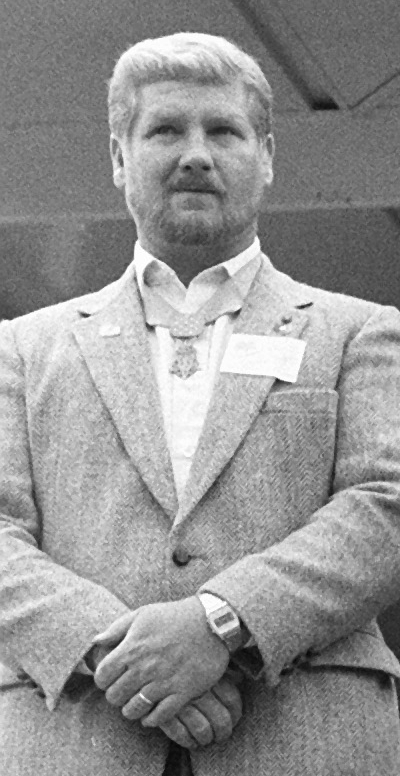
The Young Artilleryman Who Defied Death
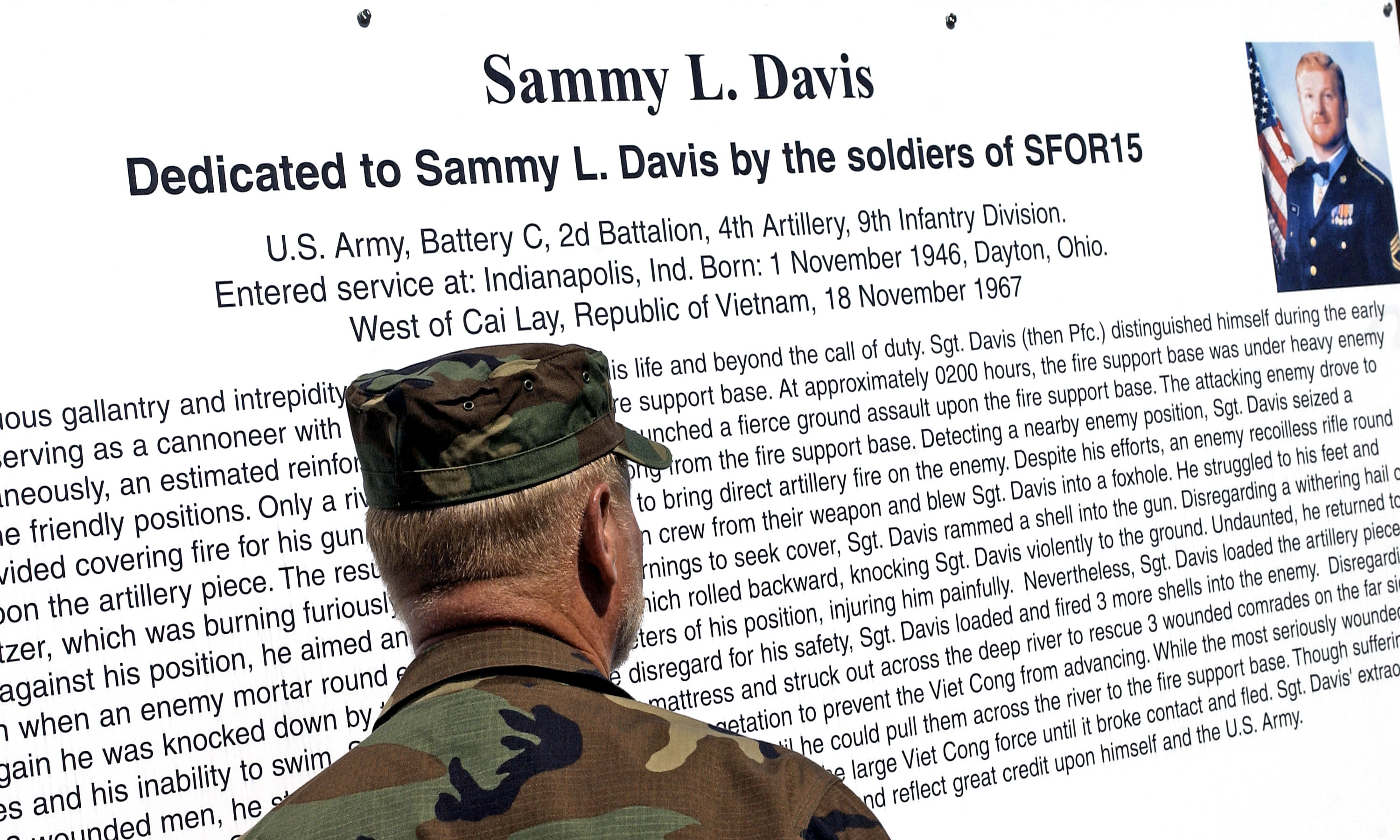
Staff Sergeant Sammy Lee Davis was just another young artilleryman serving with Battery C, 2nd Battalion, 4th Artillery in Vietnam's Mekong Delta. At 21, he was already leading men in one of the war's most dangerous regions, where Viet Cong forces could strike from anywhere at any time.
Artillery crews often work in the shadows of military heroism. While infantry soldiers get the glory for their direct combat actions, the "cannon cockers" provide the thunderous support that saves countless lives from miles away. But on November 18, 1967, near Cai Lay in South Vietnam's IV Corps area, Davis would prove that heroes come from every corner of the battlefield.
What started as a routine fire support mission would become one of the most remarkable displays of selfless courage in American military history. The young sergeant was about to face a choice that would test every fiber of his being.
When Hell Broke Loose: The Attack Begins
The enemy struck with devastating precision. Viet Cong mortars began raining down on the American position while machine gun fire swept across the firebase like deadly scythes. The coordinated assault quickly separated Davis from his fellow soldiers, leaving his platoon pinned down in an exposed position 75 meters away.
Through the smoke and chaos, Davis could see his comrades trapped under withering enemy fire. They were wounded, desperate, and completely cut off from help. The distance between them might as well have been miles — crossing that open ground under such intense fire seemed like certain suicide.
Most soldiers would have stayed put, continuing to man their artillery piece and provide indirect support. But Davis saw something that changed everything: his brothers-in-arms were dying, and he was the only one who could help them.
75 Meters of Terror: The Dash to Save Lives
Without hesitation, Davis abandoned his artillery position and sprinted into the kill zone. Seventy-five meters doesn't sound like much, but under mortar and machine gun fire, every step was a roll of the dice with death.
Hot shrapnel tore into his back and leg as he ran, but he kept moving. Pain was just another obstacle to overcome. When he reached the medical supplies, he grabbed a aid kit with hands that were already bloody from his wounds.
Now came the real test. Davis had made it across the deadly ground once — but he'd have to do it again and again, carrying wounded men who couldn't move on their own. Each trip back would be more dangerous than the last, as the enemy began to focus their fire on this lone American who dared to defy them.
One by One: Dragging Comrades to Safety
What followed was a masterclass in battlefield medicine and raw determination. Davis methodically began pulling his wounded comrades to safety, one soldier at a time. Each rescue meant another terrifying journey across that exposed ground while enemy bullets whined overhead.
Blood loss was making him weaker with every trip, but he refused to stop. His legs felt like lead, his vision blurred from pain, yet he kept going back. These weren't just fellow soldiers — they were his responsibility, his family.
Then came the moment that would define his legend. An enemy grenade exploded near Davis, mangling his leg so severely that it would later require amputation. Most men would have collapsed, but Davis had wounded comrades still depending on him.
Playing Dead: The Ultimate Sacrifice
In an act of tactical brilliance born from desperation, Davis began playing dead to draw enemy fire away from his remaining wounded comrades. Lying motionless despite his agony, he became a human decoy, absorbing the attention and bullets that would otherwise target the men he was trying to save.
When rescue helicopters finally arrived, Davis repeatedly refused medical evacuation. Even with his leg destroyed and his body riddled with shrapnel, he wouldn't leave until every last wounded soldier had been safely extracted from the battlefield.
His actions that day saved the lives of numerous fellow soldiers, proving that heroism knows no job description or unit assignment. Like Medal of Honor recipient Clarence Sasser, Davis showed that medics and support soldiers can display the same extraordinary courage as any front-line fighter.
The Medal of Honor and Life After
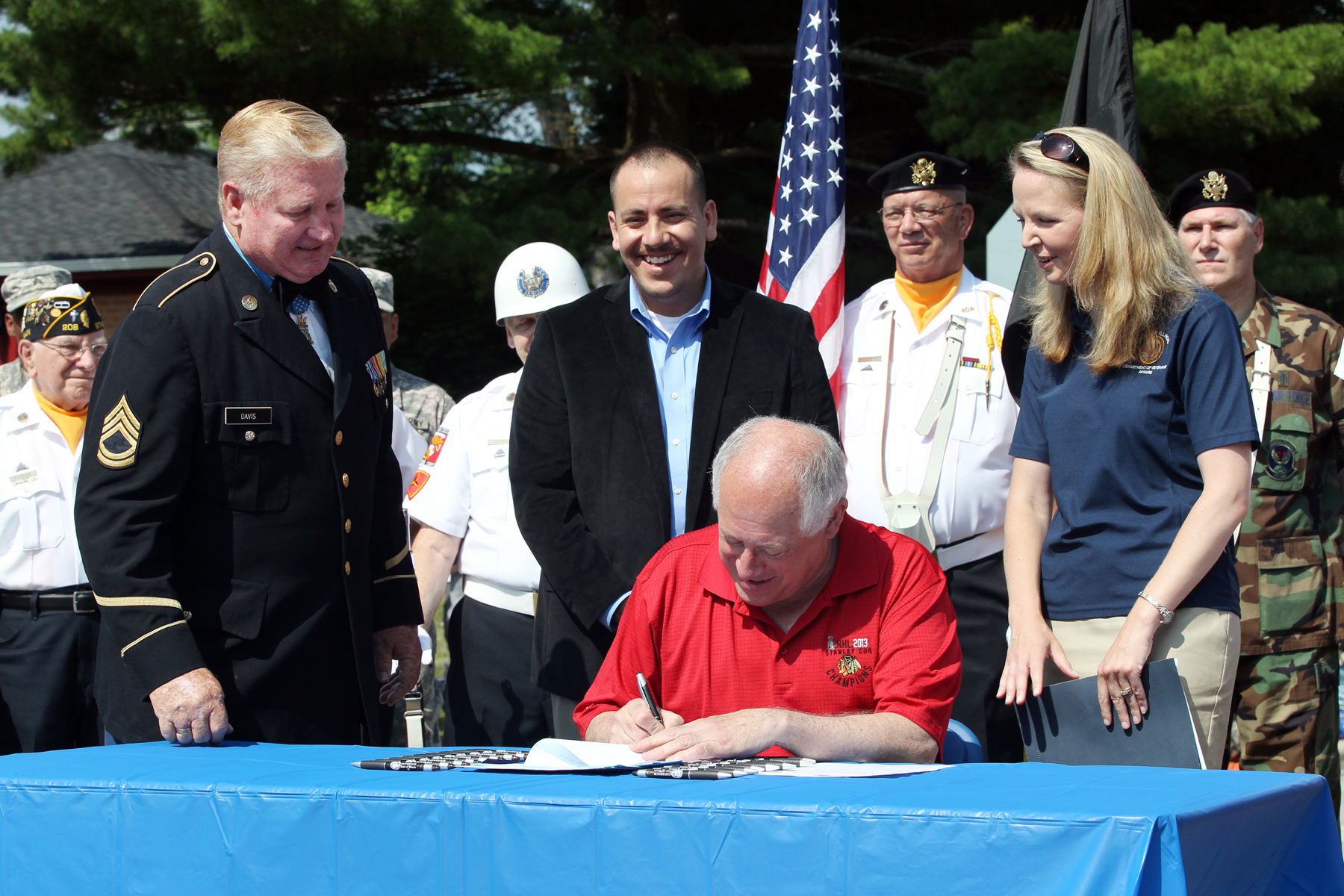
President Lyndon Johnson presented Davis with the Medal of Honor on November 19, 1968, exactly one year after his heroic actions. The citation praised his "conspicuous gallantry and intrepidity in action at the risk of his life above and beyond the call of duty."
Adjusting to civilian life with his injuries proved challenging, but Davis found purpose in sharing his story with veterans and young Americans. His message was simple: ordinary people can do extraordinary things when others depend on them.
His story joins the ranks of other delayed recognitions for military heroes, reminiscent of Henry Johnson's long wait for proper recognition, proving that true heroism eventually finds its due honor.
Lessons in Courage: What We Can Learn
Sammy Davis's story reminds us that heroism isn't limited to infantry soldiers or special forces operators. It lives in the hearts of artillery crews, mechanics, cooks, and clerks — anyone willing to put others before themselves when the moment demands it.
What drove a 21-year-old to risk everything for his comrades? The same thing that drives all military heroes: an unshakeable belief that no one gets left behind. Davis understood that leadership isn't about rank or position — it's about doing what's right, regardless of the cost.
In a world that often feels divided, stories like Davis's remind us of the bonds that truly matter: the willingness to sacrifice for others and the courage to act when action seems impossible.