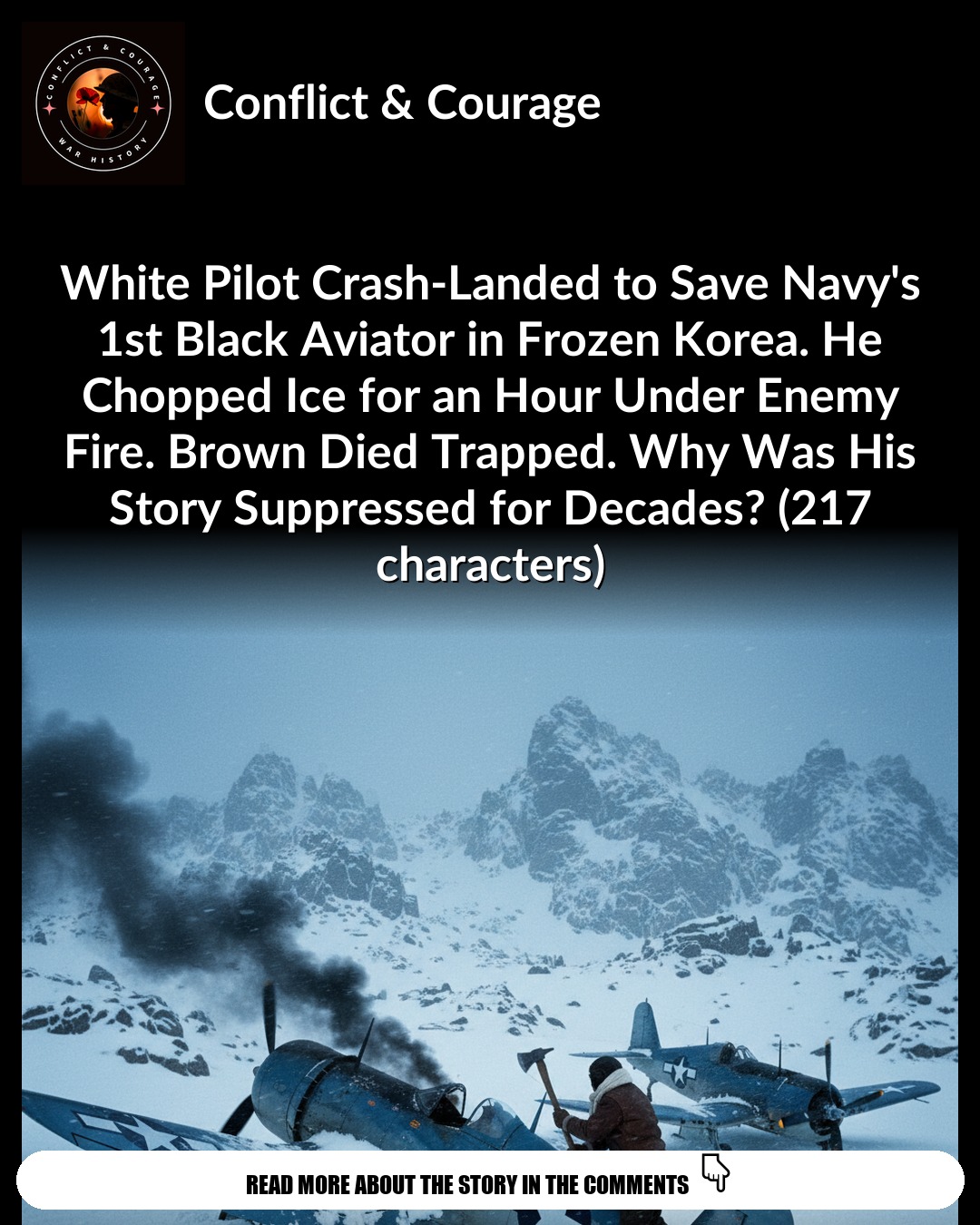
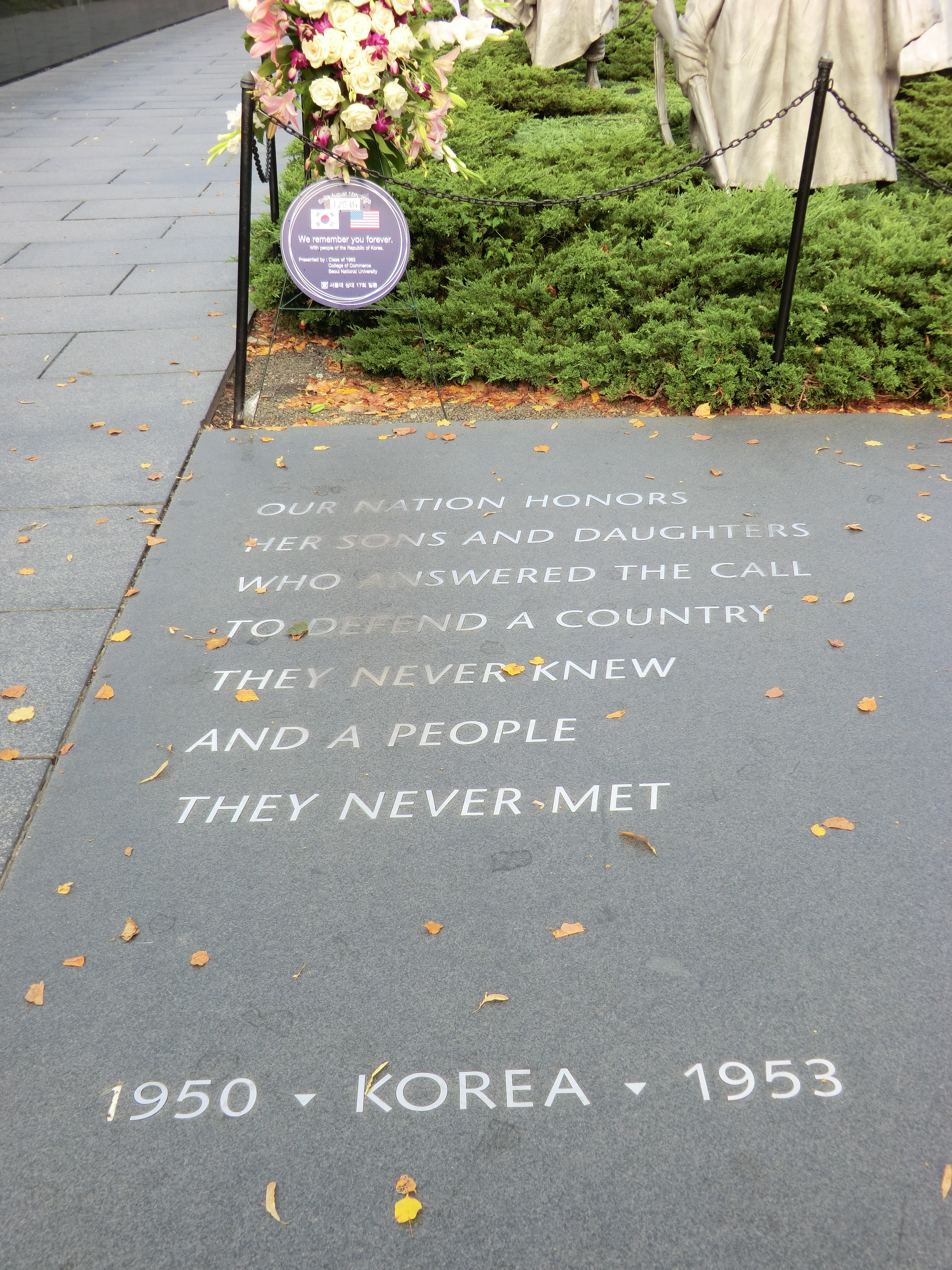
December 4, 1950. The frozen mountains near North Korea's Chosin Reservoir witnessed one of the most extraordinary acts of brotherhood in military history. When Navy Ensign Jesse Brown's F4U Corsair went down in flames, his wingman Tom Hudner made a decision that would define both their legacies forever.
But this wasn't just any rescue mission. Brown was the Navy's first Black aviator, breaking barriers in an era when segregation still ruled much of America. Their friendship transcended the racial tensions of 1950s society, forged in the cockpit where courage mattered more than color.
Two Pilots, One Unbreakable Bond
Jesse Brown grew up picking cotton in Mississippi, dreaming of soaring through clouds that seemed impossibly distant. Against all odds, he earned his wings in 1948, becoming the first African American naval aviator in U.S. history. The path wasn't easy — racist taunts, segregated facilities, and constant pressure to prove himself worthy of the uniform.
Tom Hudner came from a different world entirely. A white New England prep school graduate, he could have chosen any path in life. Instead, he chose service, earning his wings alongside Brown in the integrated squadrons that were slowly reshaping military culture.
Their friendship bloomed during training flights and late-night conversations about home. Brown talked about his wife Daisy and baby daughter. Hudner shared stories of Massachusetts winters. Race became irrelevant when you were trusting someone to watch your six at 20,000 feet.
Death Trap at Chosin Reservoir
The mission seemed routine — provide close air support for Marines trapped by Chinese forces near the frozen Chosin Reservoir. Brown and Hudner flew their Corsairs low through the mountain valleys, searching for enemy positions to strafe.
Then ground fire erupted from the ridgeline. Brown's plane shuddered as bullets tore through metal. Smoke began pouring from his engine cowling. "I'm going in," he radioed calmly, his voice steady despite the crisis.
The F4U Corsair slammed into a snow-covered mountainside with bone-jarring force. The impact crumpled the fuselage around Brown's legs, trapping him in the burning cockpit. Below-zero temperatures turned the crash site into a death trap where hypothermia raced against fire to claim its victim first.
The Unthinkable Decision
Circling overhead, Hudner watched smoke billow from his friend's wreckage. Radio chatter crackled with warnings: enemy troops were approaching the crash site. Standard procedure demanded he return to base and call for a rescue helicopter.
Instead, Hudner did something that violated every rule in the book. He deliberately crash-landed his own perfectly functioning Corsair right beside Brown's plane.
The landing was brutal. Hudner's plane bounced hard across the frozen ground before sliding to a stop just yards from his wingman's burning aircraft. He grabbed an emergency axe from his cockpit and sprinted through knee-deep snow toward Brown.
Fighting Time, Ice, and Death
What Hudner found was heartbreaking. Brown was conscious but trapped by twisted metal that had pinned his leg beneath the instrument panel. The cockpit smoldered ominously, filling with smoke that made breathing difficult.
For over an hour, Hudner attacked the wreckage with his axe. The freezing metal fought back, dulling his blade and numbing his hands. Every few minutes, he'd pack snow around the cockpit to suppress the spreading fire.
Brown's voice grew weaker as hypothermia set in. "Tell Daisy I love her," he whispered. His dark eyes met Hudner's, conveying everything that words couldn't express. The bond between them had transcended friendship — it was brotherhood in its purest form.
Rescue Under Fire
A Marine helicopter finally arrived as darkness approached. The pilot skillfully maneuvered his aircraft onto the precarious mountain slope, rotors churning the snow into a blinding whirlwind.
But it was too late. Brown had slipped into unconsciousness, his body succumbing to cold and trauma. The helicopter crew tried desperately to cut him free, but enemy muzzle flashes began winking from nearby ridges.
With enemy forces closing in and darkness falling, the agonizing decision came down. They couldn't save Brown, but they could still save Hudner. The helicopter lifted off into the Korean night, leaving Jesse Brown behind on that frozen mountainside.
Honor and Injustice
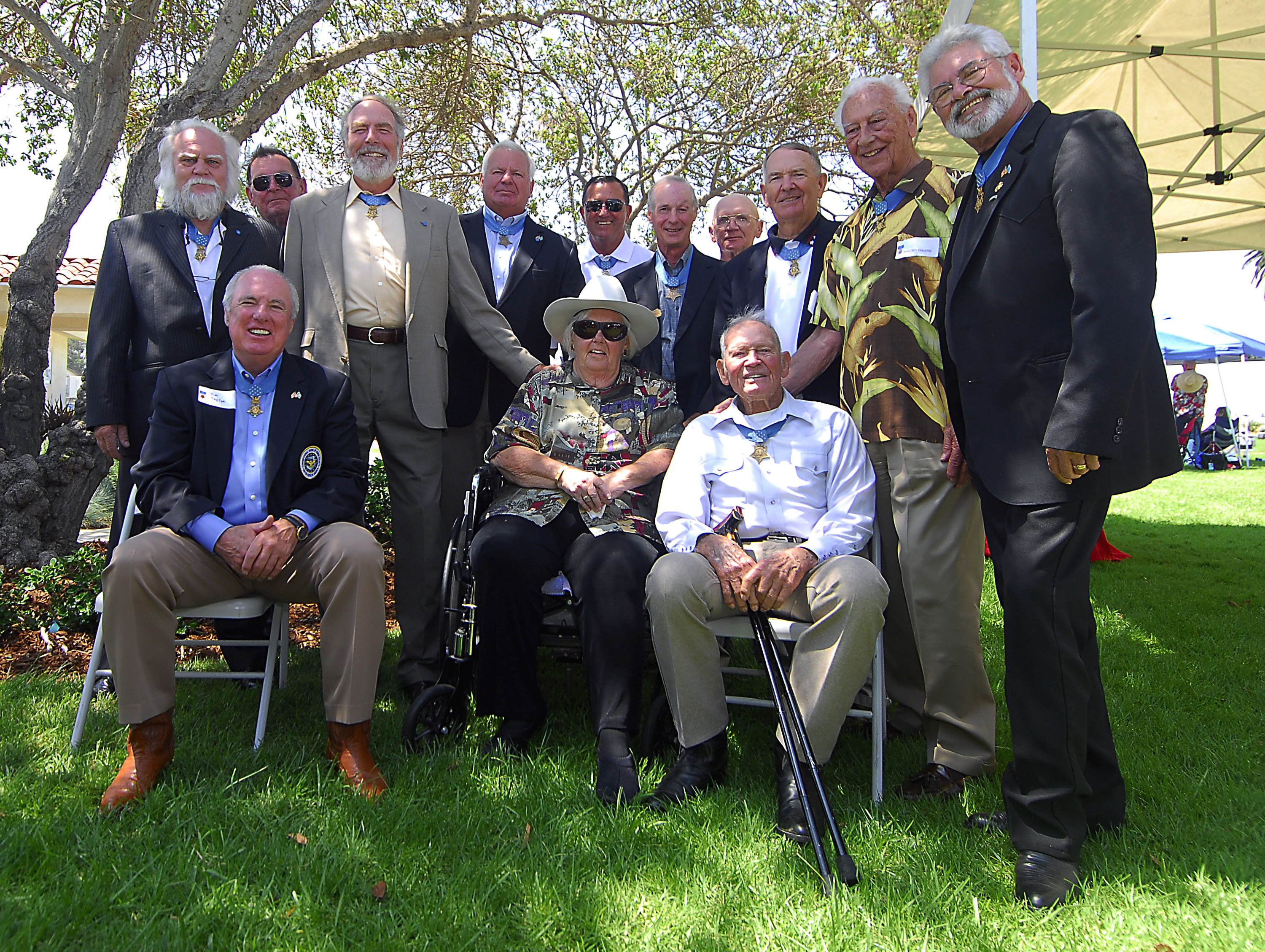
Three months later, President Truman draped the Medal of Honor around Tom Hudner's neck. The ceremony celebrated his extraordinary courage in attempting to save a fellow aviator under impossible conditions.
But Jesse Brown's heroism remained largely untold. For decades, the Navy buried his story beneath layers of bureaucratic silence. His role as a pioneering Black aviator was downplayed, his sacrifice minimized in official accounts.
It wasn't until years later that historians began uncovering the truth. Brown had broken barriers and paid the ultimate price, yet racial prejudice shaped how his story was remembered — or forgotten. Like other unsung Black heroes of military history, his courage was finally recognized decades after his sacrifice.
Brotherhood Beyond Color
The friendship between Tom Hudner and Jesse Brown proved that courage has no color. Their bond, forged in the integrated cockpits of naval aviation, pointed toward a future where merit mattered more than melanin.
Hudner never stopped honoring his friend's memory. He remained close to Brown's family, becoming an uncle figure to Jesse's daughter Pamela. When a Navy destroyer was named USS Jesse L. Brown in 1973, Hudner was there for the dedication.
Their story reminds us that the greatest acts of heroism often emerge from the simplest human connections. In an era when America was still learning to see beyond race, these two pilots showed us what brotherhood really means.
What stories of military brotherhood have touched your heart? Share your thoughts about Jesse Brown and Tom Hudner's remarkable friendship, and help us keep these important stories alive for future generations.