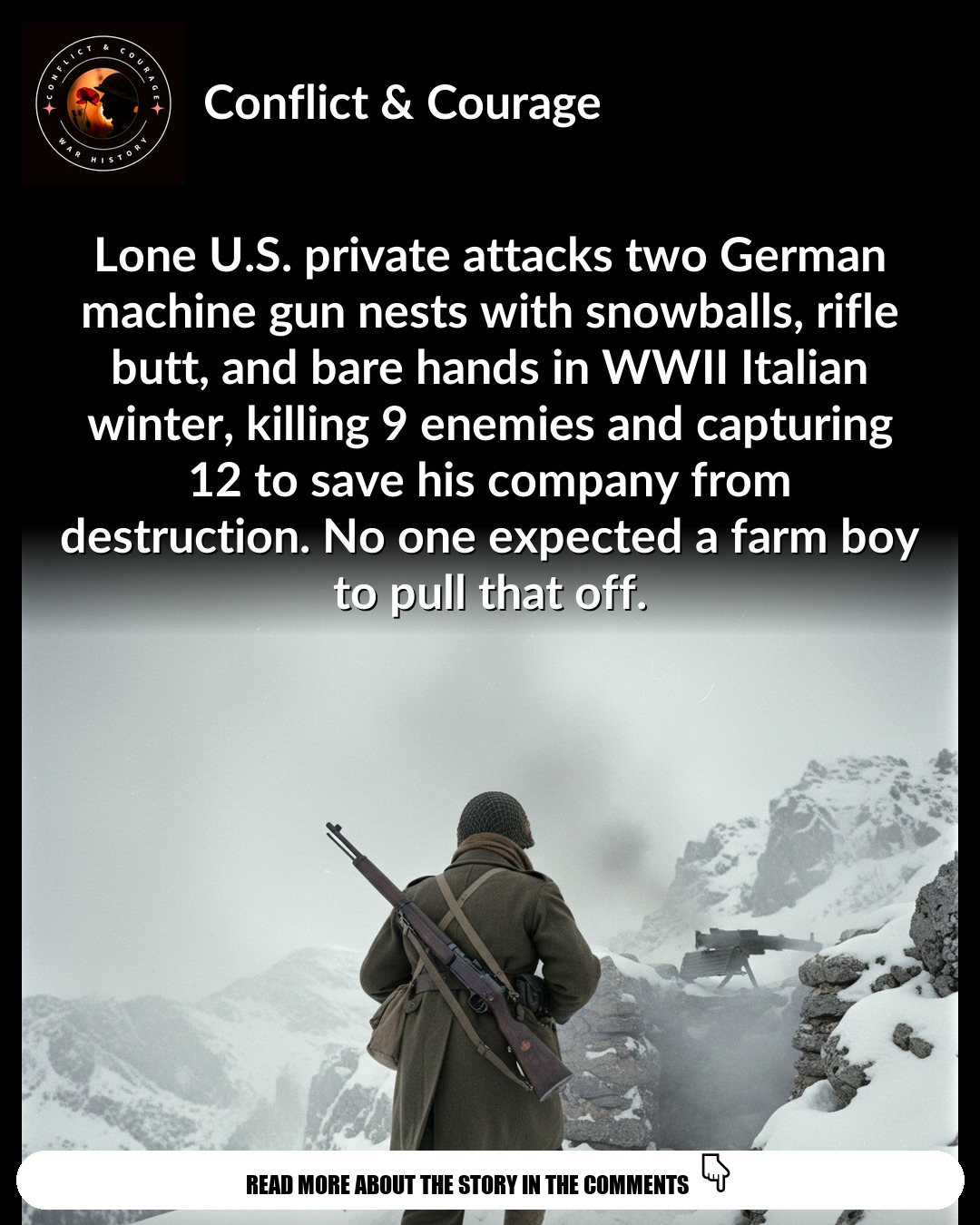
In the brutal winter of 1944, while historians celebrated the grand tank battles sweeping across Italy, a 22-year-old private named Dunham was about to write his name into local legend. His story isn't found in the major military histories—it's carved into a street sign in a small Italian town, placed there by grateful locals who never forgot what he did that frozen day.
This is the story of extraordinary courage that emerged from ordinary circumstances, proving that sometimes the greatest heroes are the ones history almost forgets.
The Young Private Who Changed Everything
Private Dunham wasn't supposed to be a hero. At 22, he was just another face in the Allied advance through Italy's unforgiving winter landscape. The tank battles that dominated the Italian Campaign often overshadowed individual acts of valor, but Dunham's story reminds us that behind every successful armored advance stood infantrymen willing to risk everything.
The winter of 1944 tested every soldier's resolve. Snow turned to ice, mud froze solid, and visibility dropped to mere yards. Tank crews found themselves blind and vulnerable, desperately needing infantry support to clear the way forward.
That's when machine gun nests became death traps, pinning down entire units and halting Allied advances. Similar stories of individual courage, like other forgotten heroes, show how ordinary soldiers rose to meet impossible challenges.
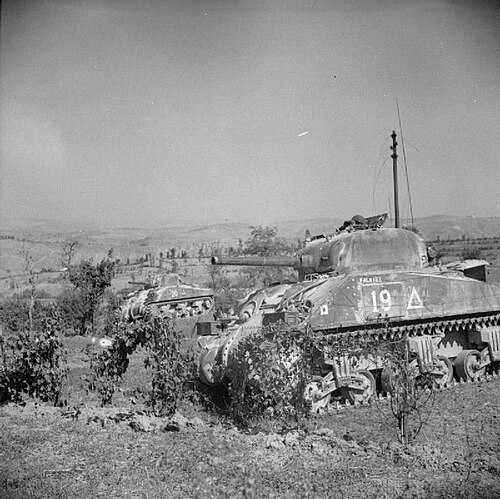
Italy's Forgotten Tank Battles
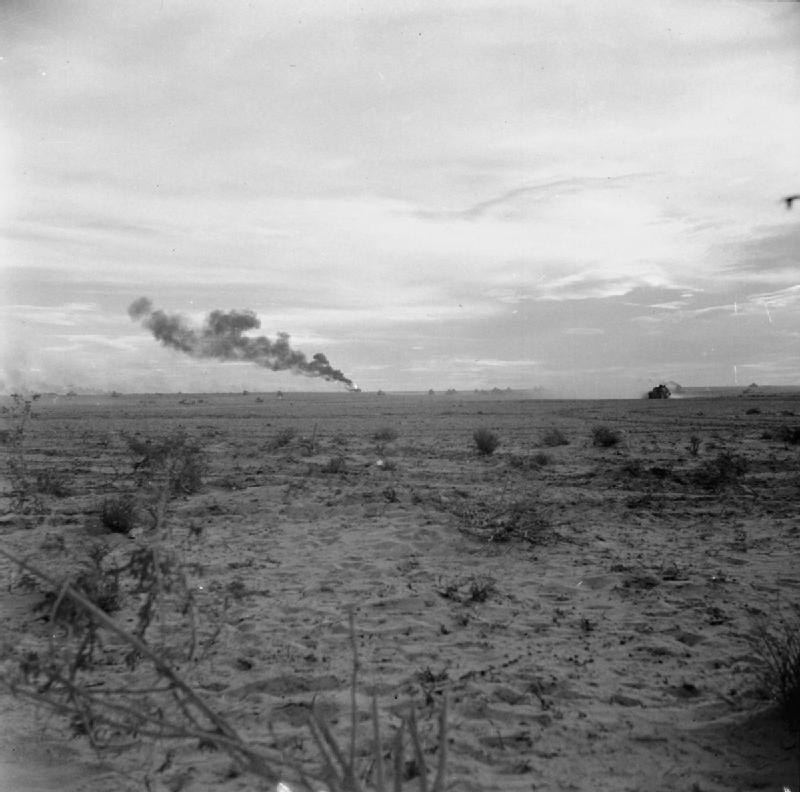
The Italian Campaign's tank warfare differed drastically from the open plains of France or North Africa. Mountainous terrain channeled armored units into predictable routes, making them sitting targets for well-positioned German defenders.
Machine gun nests, carefully sited on high ground, could devastate approaching forces. German defenders had turned the landscape into a fortress, with interlocking fields of fire that made every advance costly.
Tank crews, buttoned up against small arms fire, couldn't spot these hidden positions effectively. They relied on infantry like Dunham to identify and neutralize threats that could destroy million-dollar machines with well-placed shots.
Crawling Through Death: The Approach
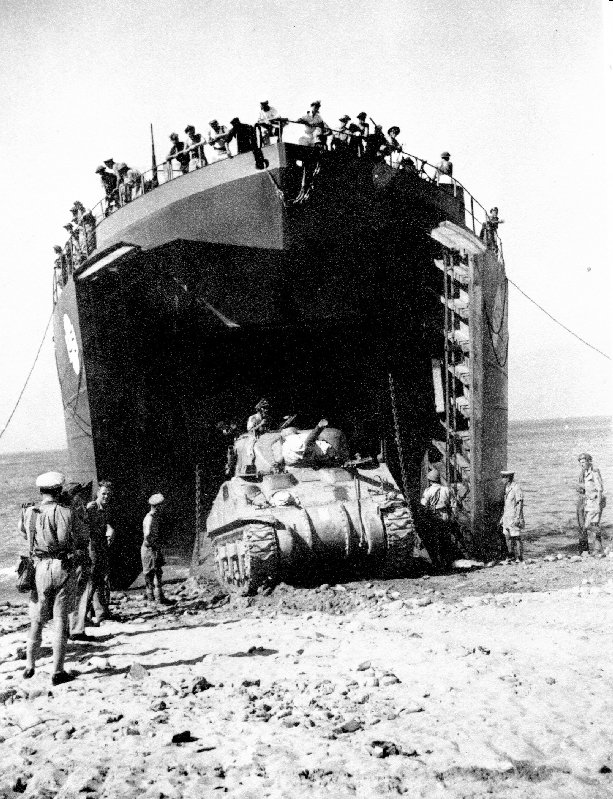
When his unit stalled under devastating machine gun fire, Dunham made a decision that defied military logic. Without orders, without backup, he began crawling forward through the snow toward the German positions.
The physical challenge was immense. Snow soaked through his uniform, mud clung to his rifle, and every movement risked detection. German sentries swept the area with practiced eyes, looking for any sign of movement.
But Dunham possessed something that can't be taught in training—an iron will that refused to accept defeat. He moved with the patience of a hunter, using every dip and depression in the terrain to mask his approach. Each yard forward brought him closer to either victory or certain death.
When Grenades Failed: Fighting with Snowballs
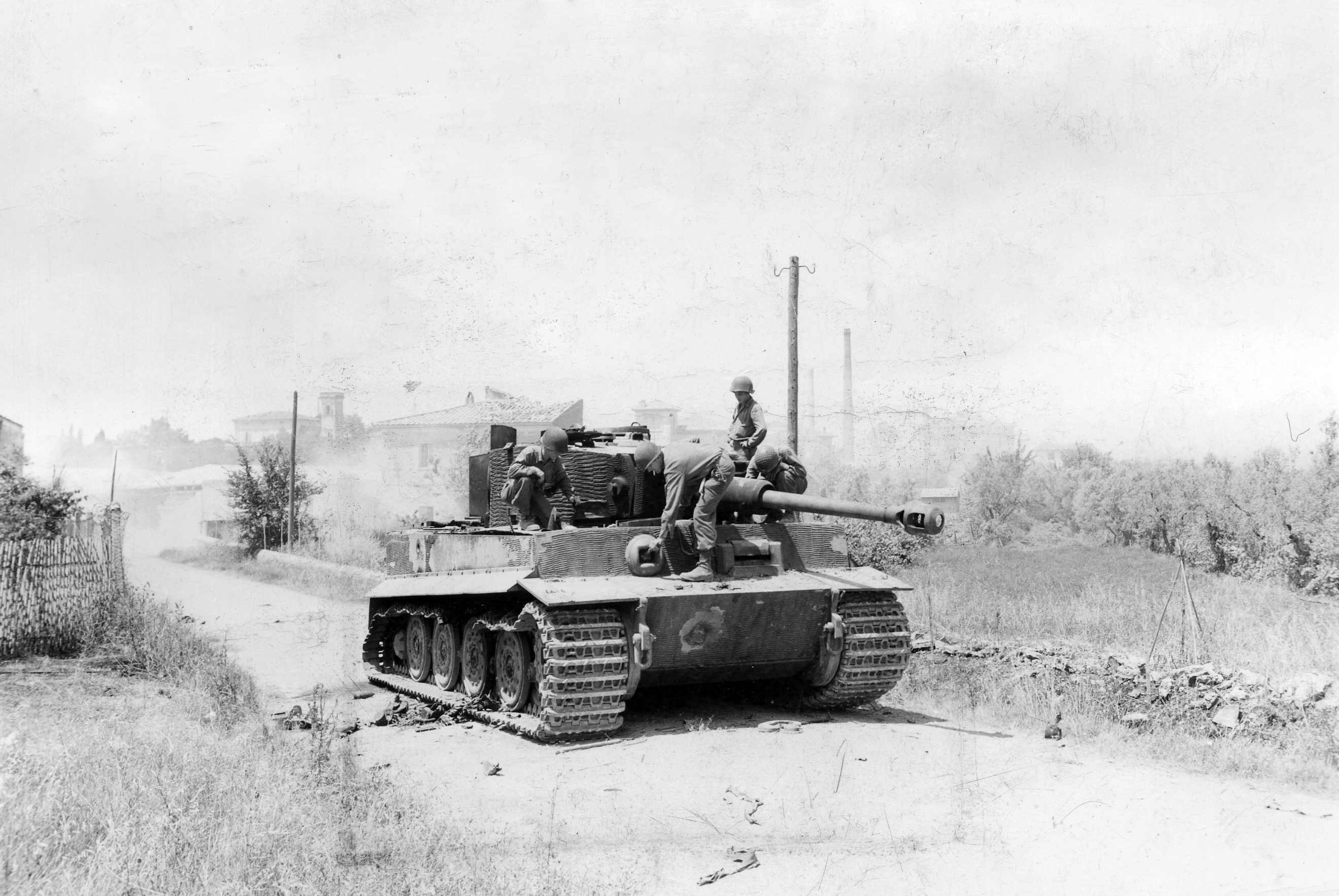
Reaching the first machine gun nest, Dunham exhausted his grenades quickly. Standard military doctrine would suggest retreat, regrouping, or calling for support. Instead, Dunham grabbed handfuls of snow.
What happened next sounds like fiction, but witnesses swore to its truth. Dunham began hurling snowballs at the German defenders with deadly accuracy. The unconventional tactic created chaos and confusion among enemy positions.
German soldiers, trained for conventional warfare, found themselves disoriented by this bizarre assault. The psychological impact was immediate—if an Allied soldier felt confident enough to throw snowballs, what other surprises awaited them?
Hand-to-Hand Combat in the Snow
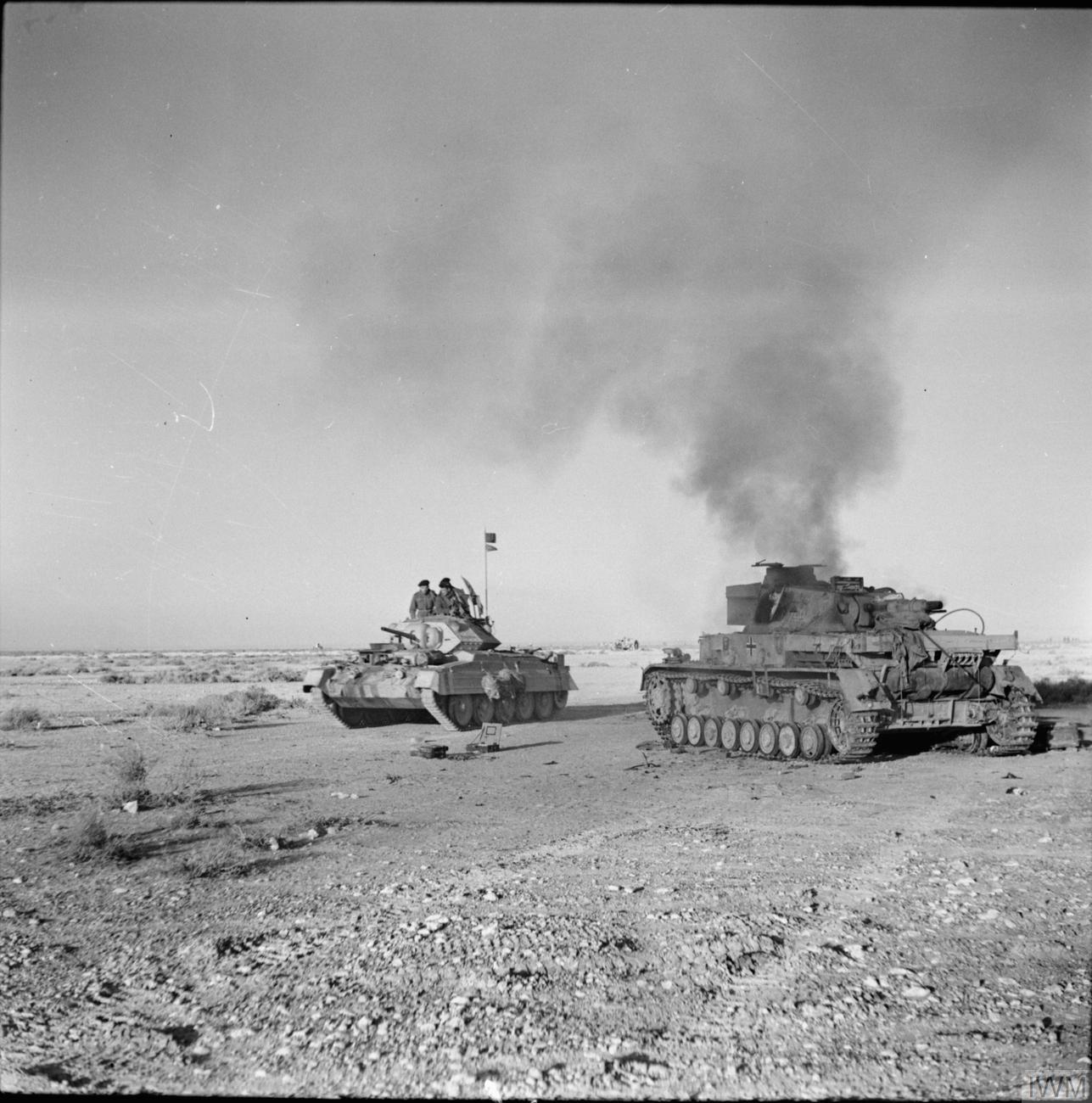
The second machine gun nest meant close-quarters combat. Surrounded by German defenders, Dunham fought with his rifle butt like a club, turning the weapon into an extension of his determination.
Winter combat conditions made every movement treacherous. Footing was uncertain, hands were numb, and visibility remained limited. Yet Dunham fought with desperate energy, knowing that failure meant death for himself and his trapped comrades.
The brutal reality of hand-to-hand combat in those conditions tested every ounce of training and courage. Dunham's actions broke German resistance through sheer audacity and determination, much like the unexpected heroes who found courage in desperate moments.
The Turning Tide: Impact on the Battle
Dunham's single-handed assault neutralized both machine gun nests, opening the corridor for Allied tanks to advance. His commanding officers watched in amazement as one soldier's courage transformed a stalled offensive into a breakthrough.
The immediate tactical results were significant. Tanks rolled forward, infantry followed, and German defensive positions crumbled. Casualties that would have mounted throughout a prolonged siege were avoided entirely.
Fellow soldiers recognized something extraordinary had happened. Word of Dunham's actions spread through the ranks, creating a legend that would outlast the war itself.
A Street Named for a Hero
Decades after the war, Italian locals made a decision that speaks volumes about lasting gratitude. They named a street after Private Dunham—not for his rank or medals, but for what he represented.
The street naming ceremony drew elderly residents who remembered that winter day. Their testimonials revealed how Dunham's courage had prevented further destruction in their community, saving civilian lives alongside military objectives.
This simple honor—a street sign bearing his name—represents something profound about how ordinary courage creates extraordinary legacies. Dunham's story reminds us that heroism often comes not from those seeking glory, but from those simply doing what needs to be done.
Have you heard similar stories of forgotten heroes whose courage changed everything? Share your thoughts in the comments below, or tell us about the unsung heroes from your own family's military history. These stories deserve to be remembered and shared.