The Battle of Loos in September 1915 witnessed extraordinary courage under impossible circumstances. Among the Victoria Cross recipients from this brutal engagement, one hero's story stands out not just for his bravery, but for the bizarre accident that nearly killed his own men before he could save them.
The Battle of Loos: Where Heroes Were Forged
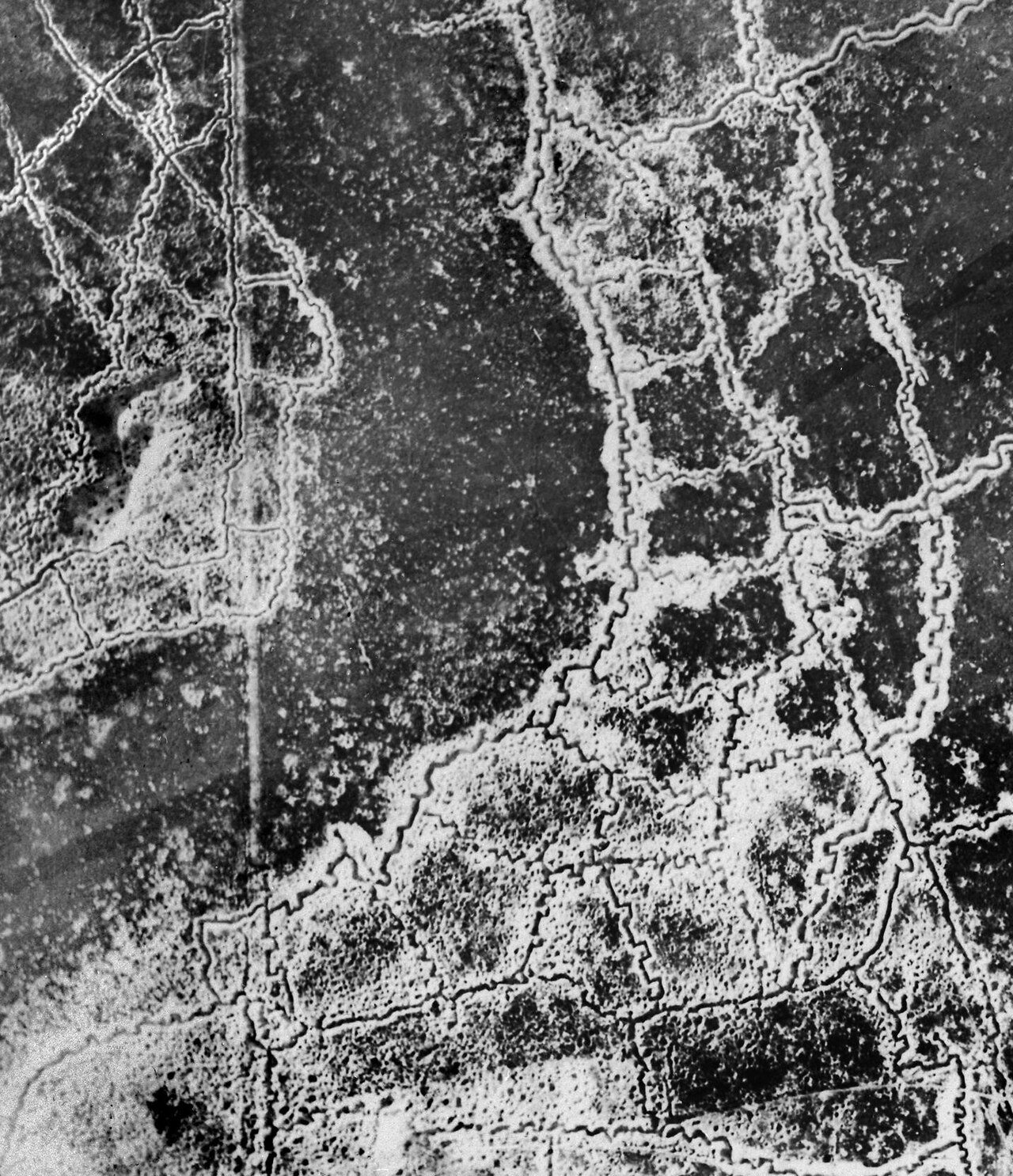
September 1915 marked Britain's most ambitious offensive of the war to date. The Battle of Loos stretched across the coal-mining landscape of northern France, where slag heaps and pit heads created a nightmarish battlefield unlike anything soldiers had previously encountered.
This industrial wasteland became the backdrop for unprecedented heroism. The challenging terrain, combined with fierce German resistance, created countless opportunities for both disaster and glory. More Victoria Crosses were awarded at Loos than in any previous single battle of the Great War.
The mining country's unique geography meant that conventional military tactics often failed spectacularly. Soldiers had to adapt quickly or perish, leading to the kind of improvised heroism that military historians still study today.
A Cardboard Box Changes Everything
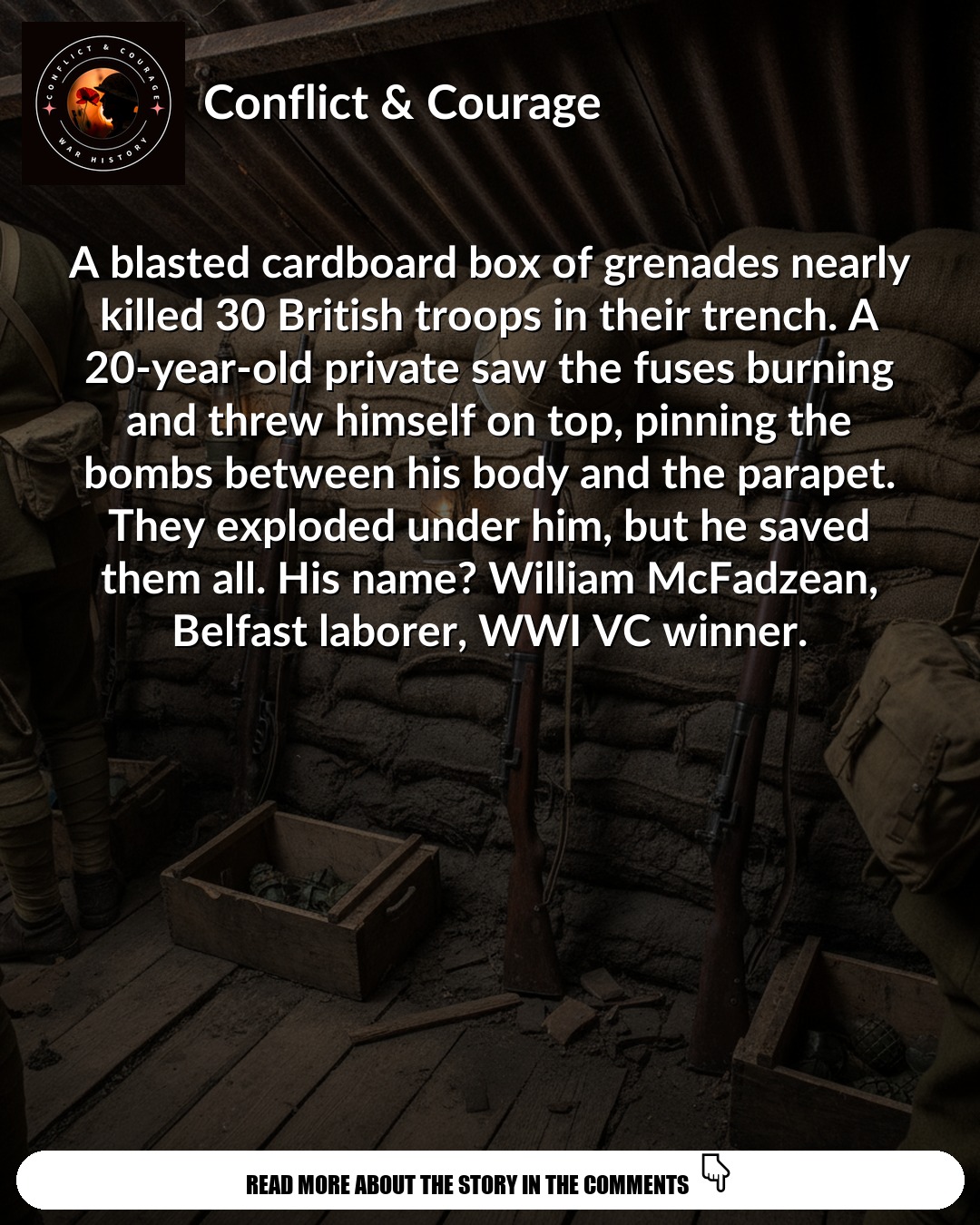
Private Thomas Hughes of the Durham Light Infantry was running what should have been a routine supply mission when disaster struck. The cardboard ammunition box he was carrying had been damaged during transport, weakening its structure in ways that weren't immediately apparent.
As Hughes navigated the treacherous terrain near the German lines, the bottom of the box gave way entirely. Dozens of Mills bombs—hand grenades—scattered across the ground, several with their pins already loosened from the fall.
What happened next would have been comical if it weren't potentially lethal. Hughes watched in horror as live grenades rolled toward a shell crater where his entire platoon had taken shelter. The mishap that began with faulty packaging was about to become a catastrophe of friendly fire.
Surviving members of Hughes's platoon later described the surreal moment when they realized death was rolling toward them in the form of British ordnance gone astray.
Meet the Unlikely Hero
Thomas Hughes was nobody's idea of a military hero before September 25, 1915. The 23-year-old miner from County Durham had enlisted like thousands of his neighbors, driven more by economic necessity than patriotic fervor.
His pre-war life in the coal pits had given him valuable skills that would prove crucial in the trenches. Hughes understood dangerous working conditions, had experience with explosives, and possessed the kind of steady nerves that kept miners alive underground.
Fellow soldiers described Hughes as reliable but unremarkable—exactly the type of ordinary man who became extraordinary when circumstances demanded it. His commanding officers noted his competence but saw nothing that suggested future heroism.
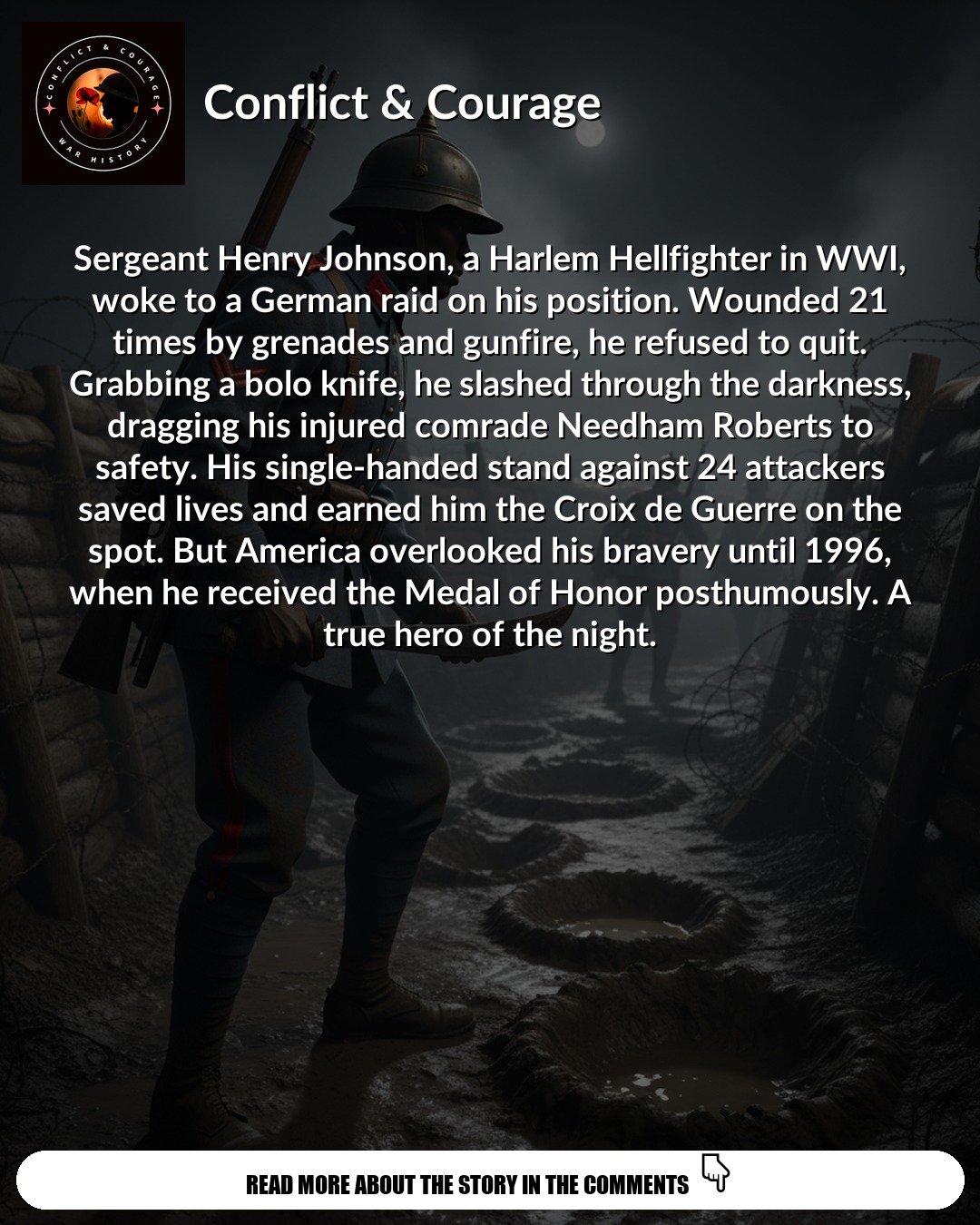
The trenches had a way of revealing character that peacetime never could. Like Henry Johnson, another unlikely World War I hero, Hughes would prove that courage often emerges from the most unexpected sources.
The Moment of Truth: Heroism from Mishap
With live grenades scattered around his feet and his platoon in mortal danger, Hughes made a decision that defied every survival instinct. Instead of diving for cover, he began gathering the loose explosives, knowing that any one of them could detonate at any moment.
Working with practiced efficiency learned in the mines, Hughes quickly assessed which grenades posed the most immediate threat. He carefully collected the most dangerous ones first, those with pins hanging loose or safety mechanisms clearly compromised.
But the German machine gun position that had been harassing his unit chose that moment to open fire again. Rather than waste the opportunity, Hughes made an inspired decision. He began hurling the loose grenades toward the enemy position, turning his catastrophic accident into an impromptu assault.
The barrage of grenades caught the German machine gunners completely off guard. Hughes's quick thinking not only saved his platoon from friendly fire but also eliminated a position that had been pinning down British forces for hours.
The Victoria Cross Citation: Recognition at Last
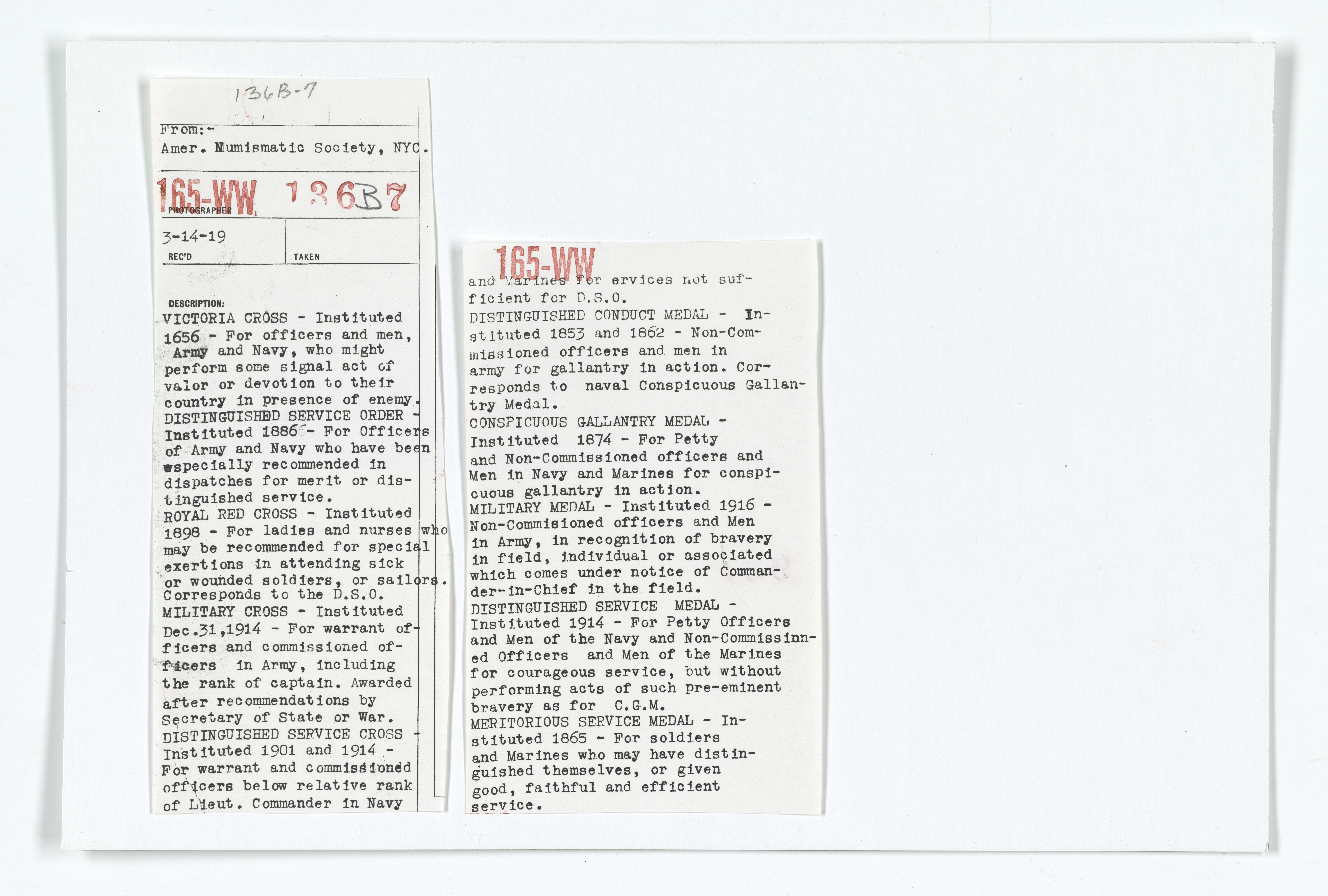
Hughes's Victoria Cross citation reads like a masterpiece of military understatement. The official record mentions his "conspicuous gallantry in collecting and disposing of dangerous ordnance while under enemy fire," carefully avoiding any mention of how that ordnance became dangerous in the first place.
The cardboard box mishap was deemed too embarrassing to include in the formal citation, but veteran accounts preserved the true story. Military bureaucracy preferred heroic narratives that didn't highlight supply failures or equipment malfunctions.
Hughes received his medal from King George V in a ceremony at Buckingham Palace six months later. The monarch reportedly lingered over Hughes's story longer than most, perhaps appreciating the human elements that official citations couldn't capture.
Compared to other Loos Victoria Crosses, Hughes's award stood out for its combination of quick thinking and practical heroism. While others charged machine guns or held impossible positions, Hughes turned a potentially deadly accident into tactical victory.
Life After Loos: The Weight of the Medal
The Victoria Cross changed Hughes's life in ways he never anticipated. The shy miner found himself thrust into public attention, invited to speak at recruitment rallies and war bond drives throughout 1916 and 1917.
After the war, Hughes returned to the Durham coal fields, but the transition proved difficult. The same neighbors who had treated him as unremarkable before the war now viewed him through the lens of his heroism, creating a social distance that never fully disappeared.
Like many decorated veterans, Hughes struggled with what we now recognize as survivor's guilt. The knowledge that his heroic moment arose from a supply mishap added complexity to his relationship with his medal and the recognition it brought.
Hughes lived until 1967, long enough to see his story finally told with full honesty in regimental histories published during the war's 50th anniversary commemorations.
The Forgotten Stories of Loos
Thomas Hughes's cardboard box heroics represent just one of countless human stories buried in military archives. The Battle of Loos produced dozens of such tales—moments where ordinary people made extraordinary choices under impossible circumstances.
These stories matter because they remind us that heroism often emerges from chaos and accident rather than careful planning. Like Rodger Young and other unlikely heroes, Hughes proved that courage can't be predicted or manufactured.
Military historians continue uncovering these forgotten narratives, recognizing their importance in understanding how ordinary people respond to extraordinary circumstances. Each story adds depth to our understanding of what courage really means when everything goes wrong.
What stories from your family's military history deserve to be remembered? Share them in the comments below—every veteran's tale of quick thinking under pressure helps preserve the human side of military history for future generations.