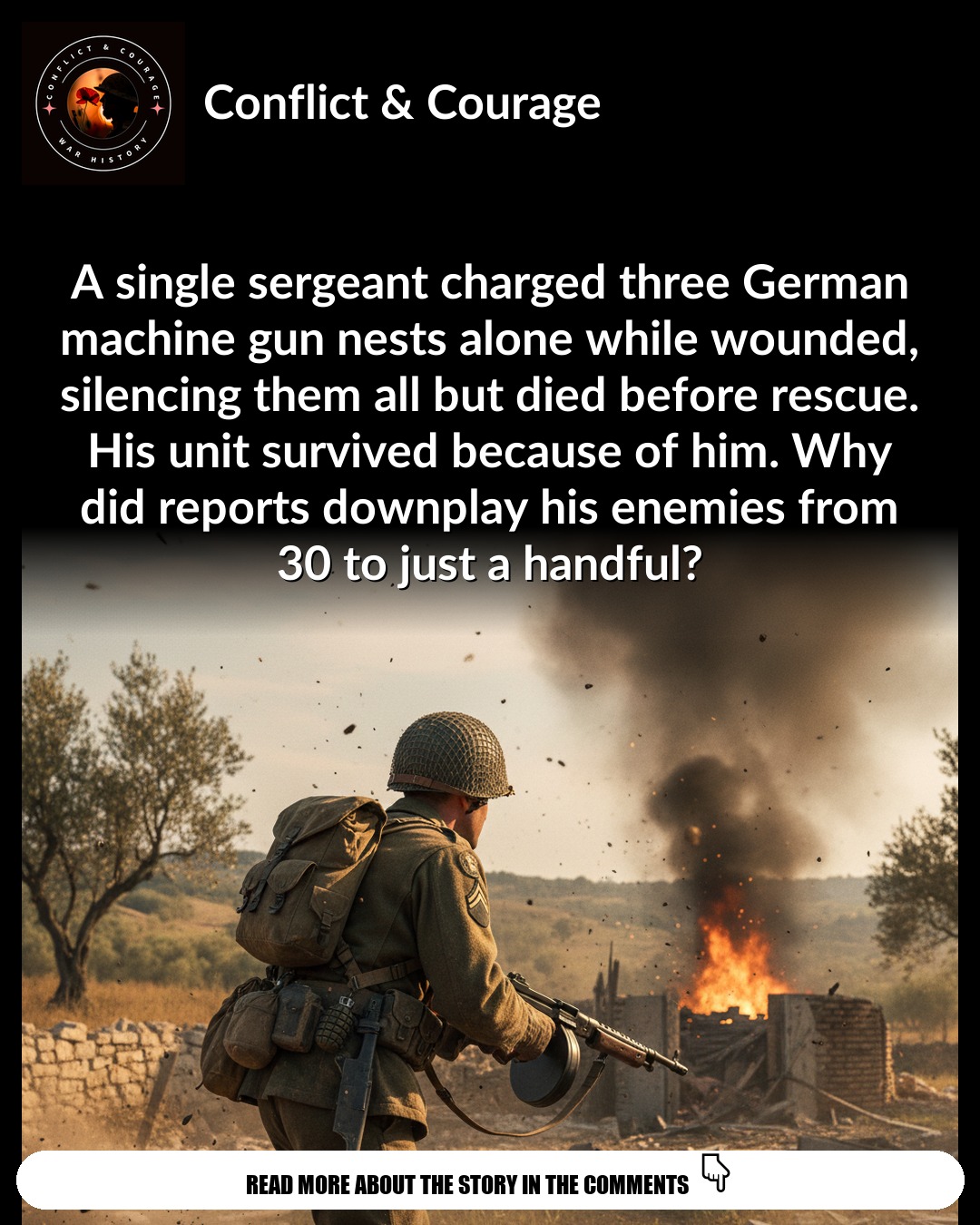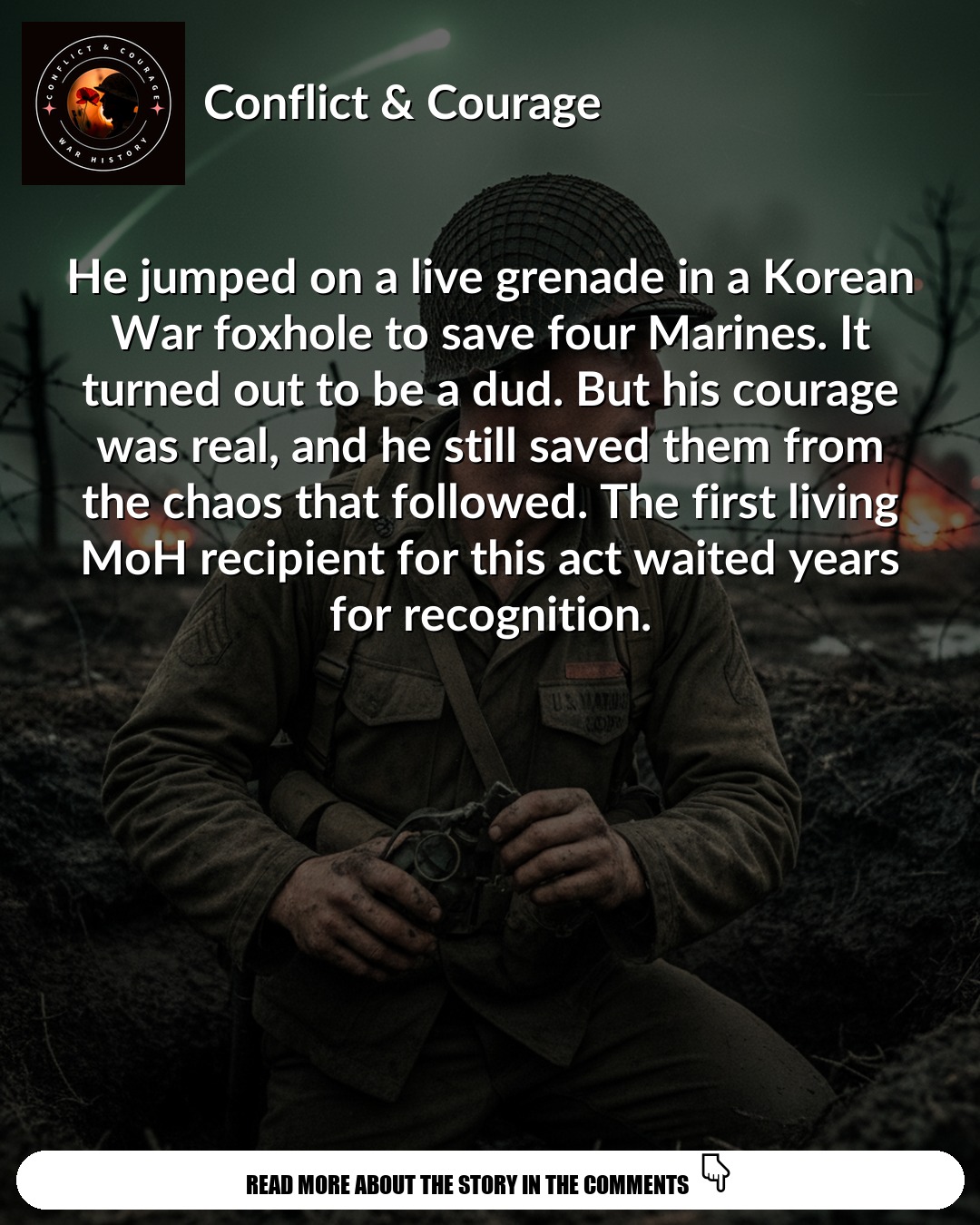
Picture this: It's a freezing night in Korea, 1952. Four young Marines huddle in a foxhole as Chinese forces launch a brutal assault. Then a grenade lands right between them, its fuse already burning. Most men would freeze. Corporal Duane Dewey didn't.
What happened next would earn him the Medal of Honor and create one of the most mysterious classified reports in Marine Corps history.
The Split-Second Decision That Defined a Hero
The Chinese attack came without warning on that April night near Panmunjom. Dewey and three fellow Marines found themselves pinned down in their defensive position as enemy troops swarmed their lines.
In the chaos of battle, with bullets snapping overhead and explosions lighting up the darkness, a Chinese grenade rolled into their foxhole. Four seconds. That's all the time they had before it would detonate.
While his squadmates scrambled for cover, Dewey made a choice that defied every survival instinct. He grabbed the live grenade and ran.
![[U.S. Army Medal of Honor with neck band]](https://pub-1a77e7db170042adb48eb7b660a445d6.r2.dev/pd-library/US_Army_Medal_of_Honor_with_neck_band_7e463d597a.jpg)
When Training Meets Raw Courage
Marine training drills one principle into every recruit: the unit comes first. But knowing what to do and actually doing it when death stares you in the face are two entirely different things.
In that split second, Dewey's mind didn't calculate odds or weigh consequences. His body simply moved, driven by something deeper than training—a fierce loyalty to the men beside him.
This is what separates heroes from the rest of us. Not the absence of fear, but the willingness to act despite it. Dewey was terrified, but he moved anyway.
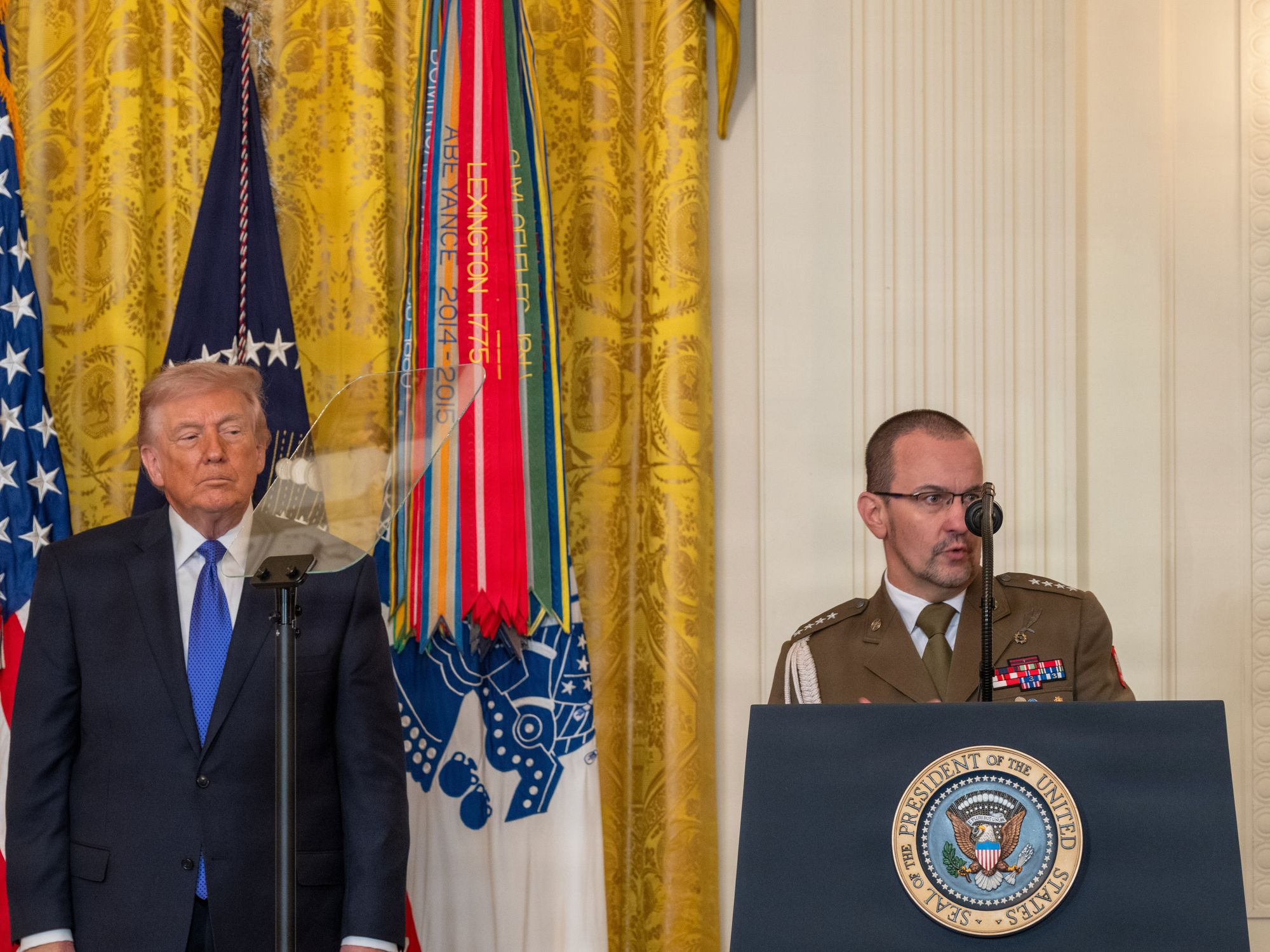
The Dud That Changed Everything
Dewey sprinted from the foxhole with the grenade clutched in his hands, knowing he had perhaps two seconds left to live. He dove to the ground, placed his helmet over the explosive, and covered it with his body.
Then he waited for death that never came.
The grenade was a dud—a manufacturing defect that turned a certain death sentence into a miracle. But Dewey didn't know that as he lay there, expecting to be blown apart at any moment.
His willingness to die for his fellow Marines was complete, regardless of the outcome. That's what made him a true hero.
Wounded But Victorious
While the grenade beneath him remained silent, the battle raged on around Dewey. Shrapnel from other explosions tore into his body, wounding him severely.
But his sacrifice worked. The four Marines in the foxhole survived the night, living to fight another day because one man chose their lives over his own.
Medics evacuated Dewey under fire, and he spent weeks recovering from his wounds. His body would heal, but the memory of that moment would stay with him forever.
The Medal of Honor and Military Secrecy
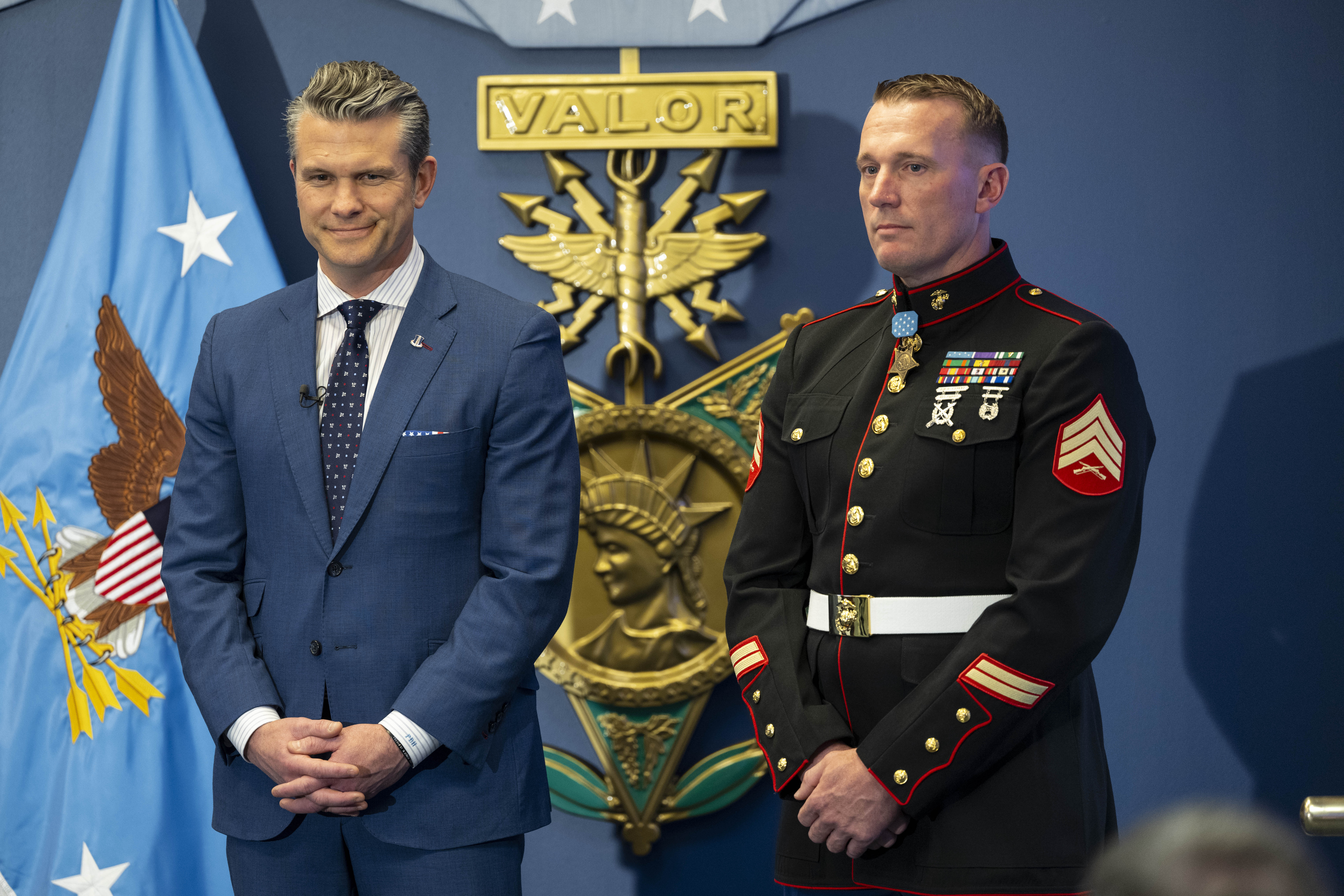
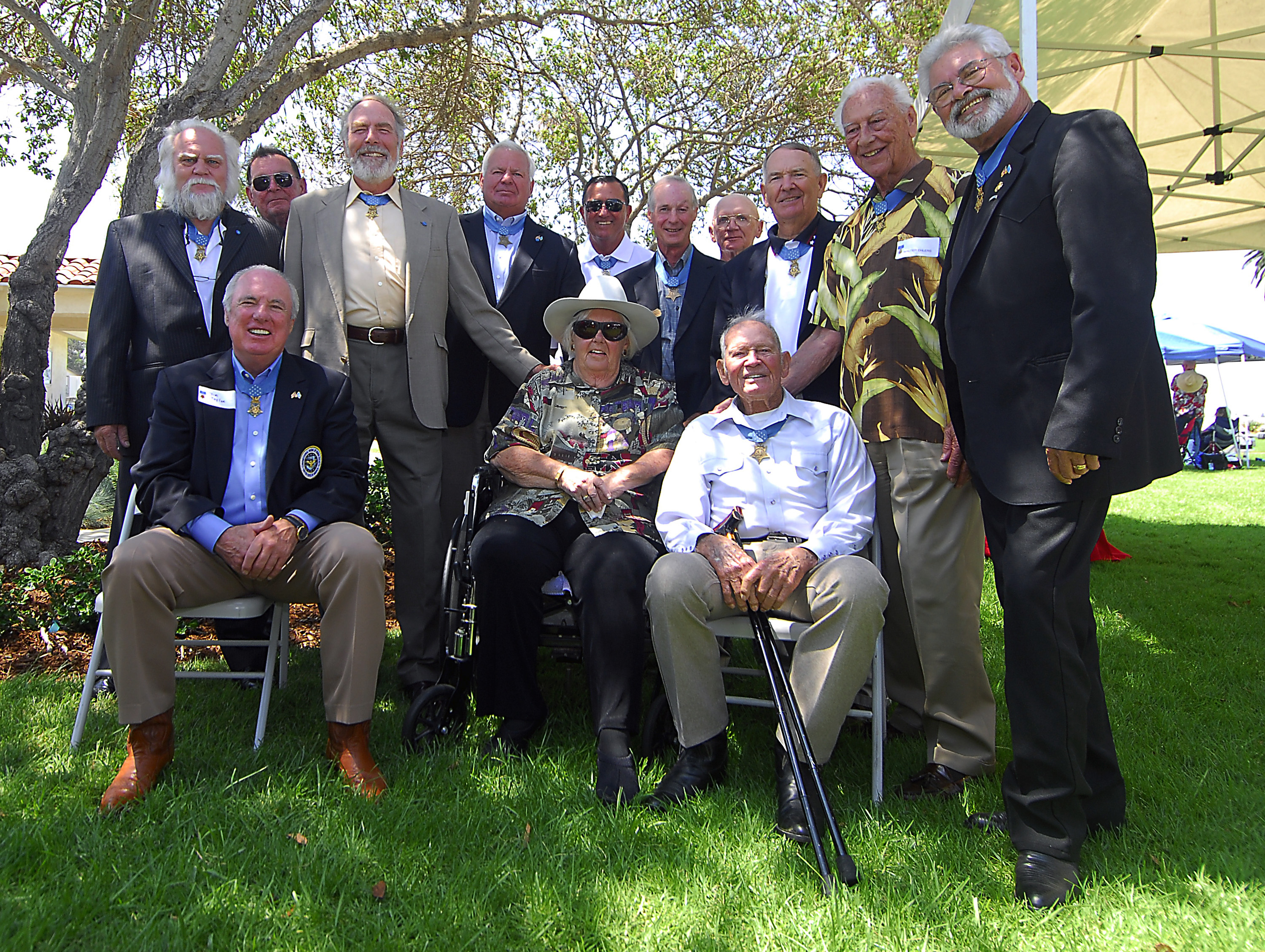
For his extraordinary courage, Dewey received America's highest military honor—the Medal of Honor. President Truman presented it to him in a White House ceremony that should have made headlines.
Instead, the Marine Corps classified Dewey's action report for decades. Why would they bury such an inspiring story of heroism?
Some military historians believe the classification was meant to protect operational details or prevent enemy forces from learning about American tactics. Others suggest it was simply bureaucratic oversight that kept a hero's story in the shadows.
The Korean War's Forgotten Heroes
Korea has long been called the "Forgotten War," overshadowed by World War II's epic scope and Vietnam's controversial legacy. Yet heroes like Dewey, Jesse Brown, and Tom Hudner displayed courage that rivals any conflict in American history.
These men fought in brutal conditions against overwhelming odds, often with little recognition back home. Their stories of sacrifice and valor deserve to be remembered alongside the greatest military heroes of any generation.
Like Desmond Doss at Hacksaw Ridge or Sergeant Antolak's incredible last stand, Dewey's actions remind us that ordinary people can accomplish extraordinary things when others depend on them.
Legacy of a Living Hero
Unlike many Medal of Honor recipients who died earning their awards, Dewey lived to tell his story—eventually. After decades of official silence, his tale of courage finally emerged, inspiring new generations of Americans.
Dewey returned home, married, raised a family, and lived quietly for years. He rarely spoke about that night in Korea, carrying the weight of his experience with typical Marine stoicism.
His story reminds us why we preserve these accounts of military heroism. They're not just history—they're proof that courage still exists in our world, that some people will still sacrifice everything for their fellow human beings.
What do you think drove Dewey to make that split-second decision? Have you encountered stories of similar courage in your own family's military history? Share your thoughts below and help keep these important stories alive for future generations.