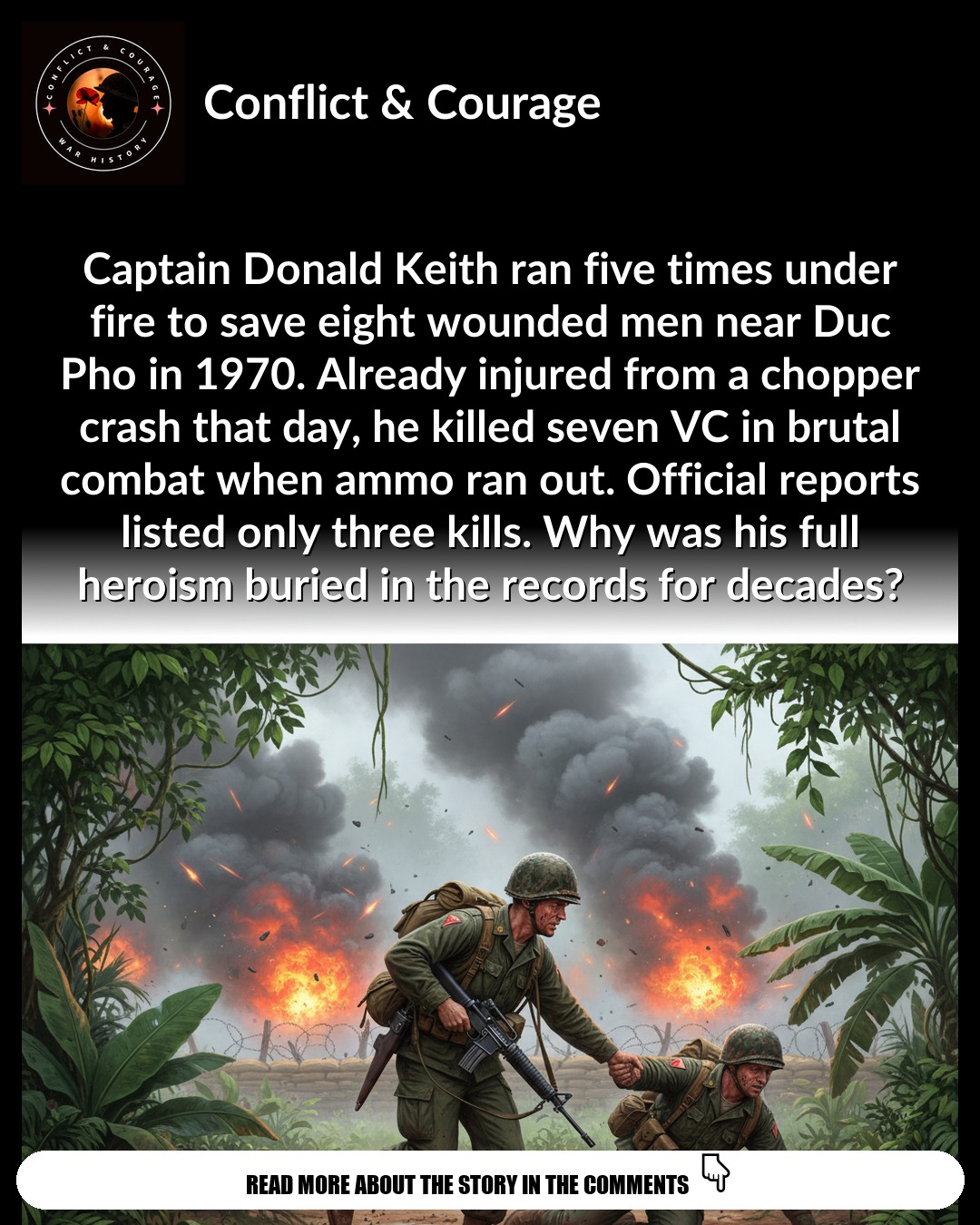
While everyone remembers the Ia Drang Valley for changing how America fought in Vietnam, another battle that same year deserves equal recognition. Captain Donald Keith's extraordinary courage at Duc Pho on May 20, 1970, represents the kind of individual heroism that often gets lost in the larger narrative of America's longest war.
What makes Keith's story particularly compelling isn't just what he did — it's how the official records seem to tell only part of the tale.
The Day That Changed Everything at Duc Pho
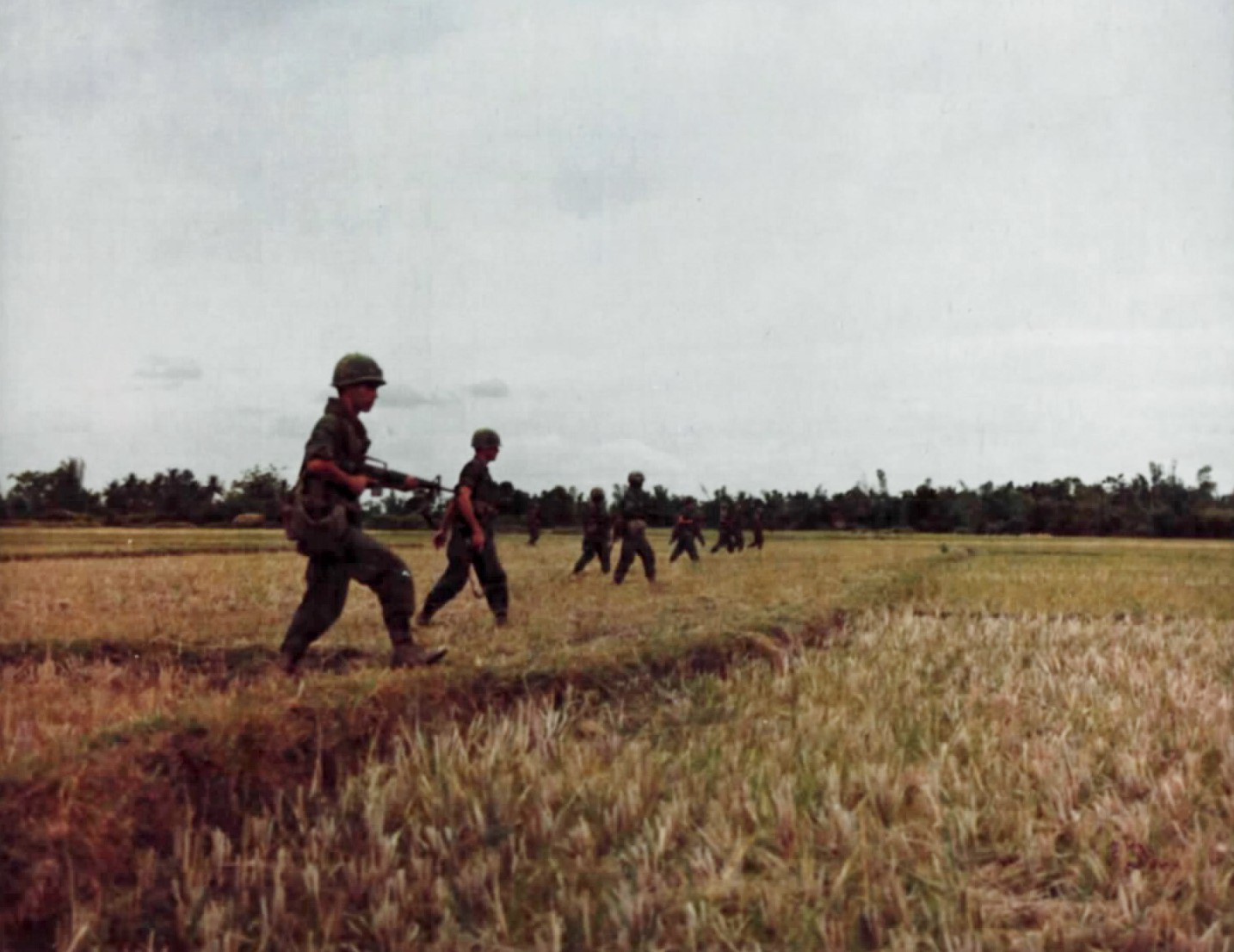
The remote outpost near Duc Pho wasn't supposed to be the site of a major engagement. May 20, 1970, started like any other day in the Vietnamese highlands, with routine patrols and the constant vigilance that kept American soldiers alive in hostile territory.
Captain Keith had already earned his stripes the hard way that morning. His helicopter had crashed earlier in the day, leaving him wounded but still mobile. Most officers would have called it a day and headed to the aid station.
Instead, Keith grabbed his rifle and joined another unit heading out on patrol. That decision would transform an ordinary Wednesday into a legend that deserves to stand alongside other forgotten Vietnam heroes whose courage under fire saved American lives.
When the Viet Cong Struck Hard
The attack came with the sudden ferocity that characterized Viet Cong tactics throughout the war. What had been a quiet outpost erupted into chaos as enemy forces launched a coordinated assault designed to overrun the American position.
The terrain worked against Keith's unit. Open ground stretched between their position and safety, creating a killing field that any movement would have to cross. The VC had chosen their moment well, catching the Americans in a vulnerable position with limited cover.
In situations like this, most soldiers hunker down and wait for reinforcements or air support. Keith made a different choice entirely — one that would define not just his own fate, but the survival chances of his wounded comrades.
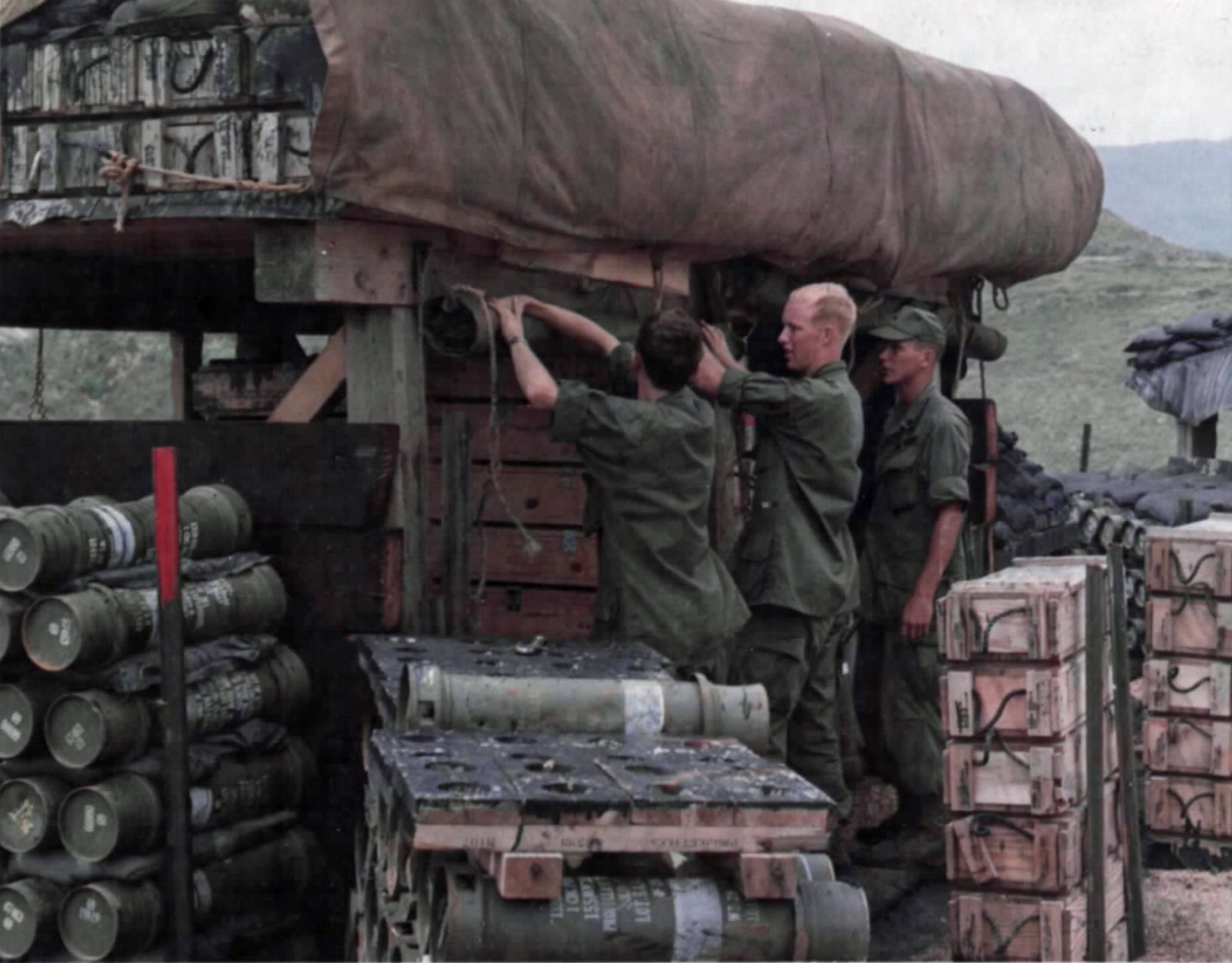
Five Dashes Across Death's Door
What happened next sounds like something from a Hollywood movie, except Hollywood rarely captures the raw terror and split-second decision-making that real combat demands. Keith spotted wounded soldiers trapped in the open, exposed to enemy fire with no way to reach safety on their own.
He made the first run across 350 yards of open ground while bullets whined past and grenades exploded around him. One wounded soldier rescued. Then he went back for another.
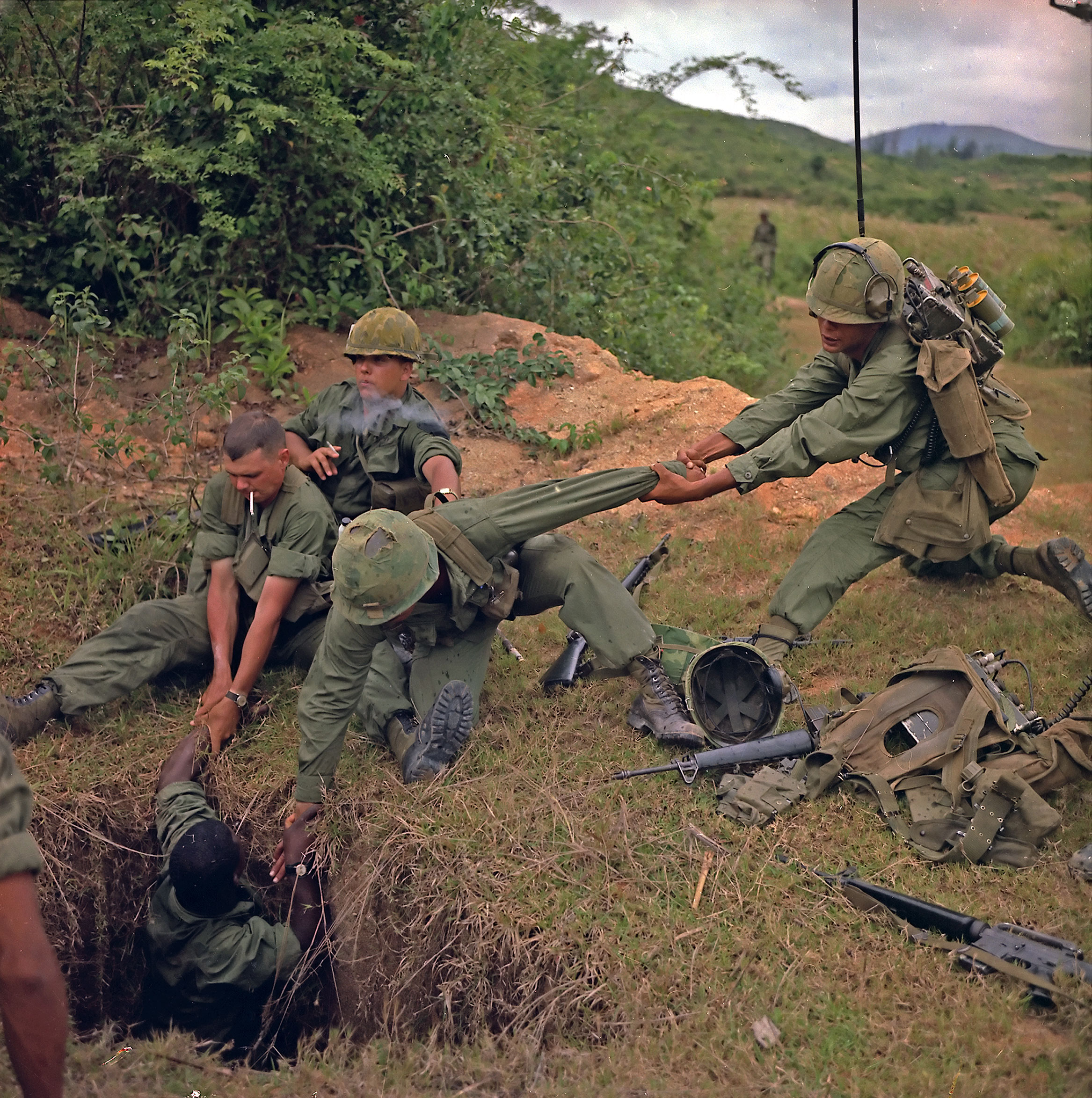
And another. And another. Five times Keith exposed himself to concentrated enemy fire, each trip a separate gamble with death. Each time, he brought back another American who might otherwise have died in that Vietnamese field.
The physical exhaustion alone should have stopped him. The mental strain of repeatedly facing almost certain death would break most people. Keith kept going.
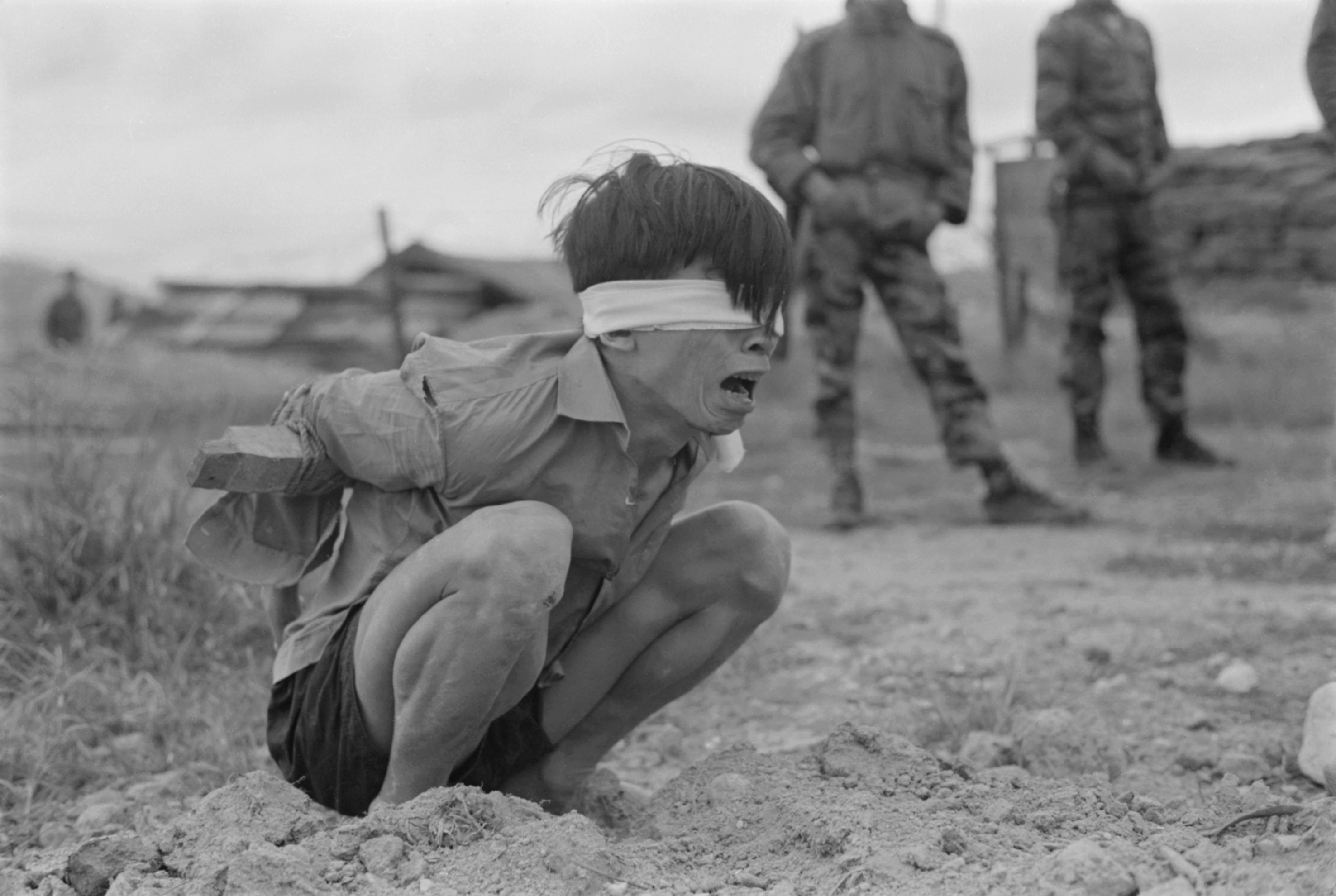
When Bullets Ran Out: Hand-to-Hand Combat
As ammunition ran low, Keith transitioned from rifle to grenades, then to the most primitive and personal form of combat — hand-to-hand fighting. Survivors describe brutal close-quarters combat that tested every aspect of Keith's training and willpower.
This wasn't the sanitized version of war that makes it into official reports. This was desperate, ugly fighting where survival depended on physical strength, mental toughness, and the kind of raw determination that separates heroes from casualties.
The psychological impact on Keith's fellow soldiers was profound. Watching their captain fight with such ferocity while already wounded gave them the inspiration to hold their position until relief arrived.
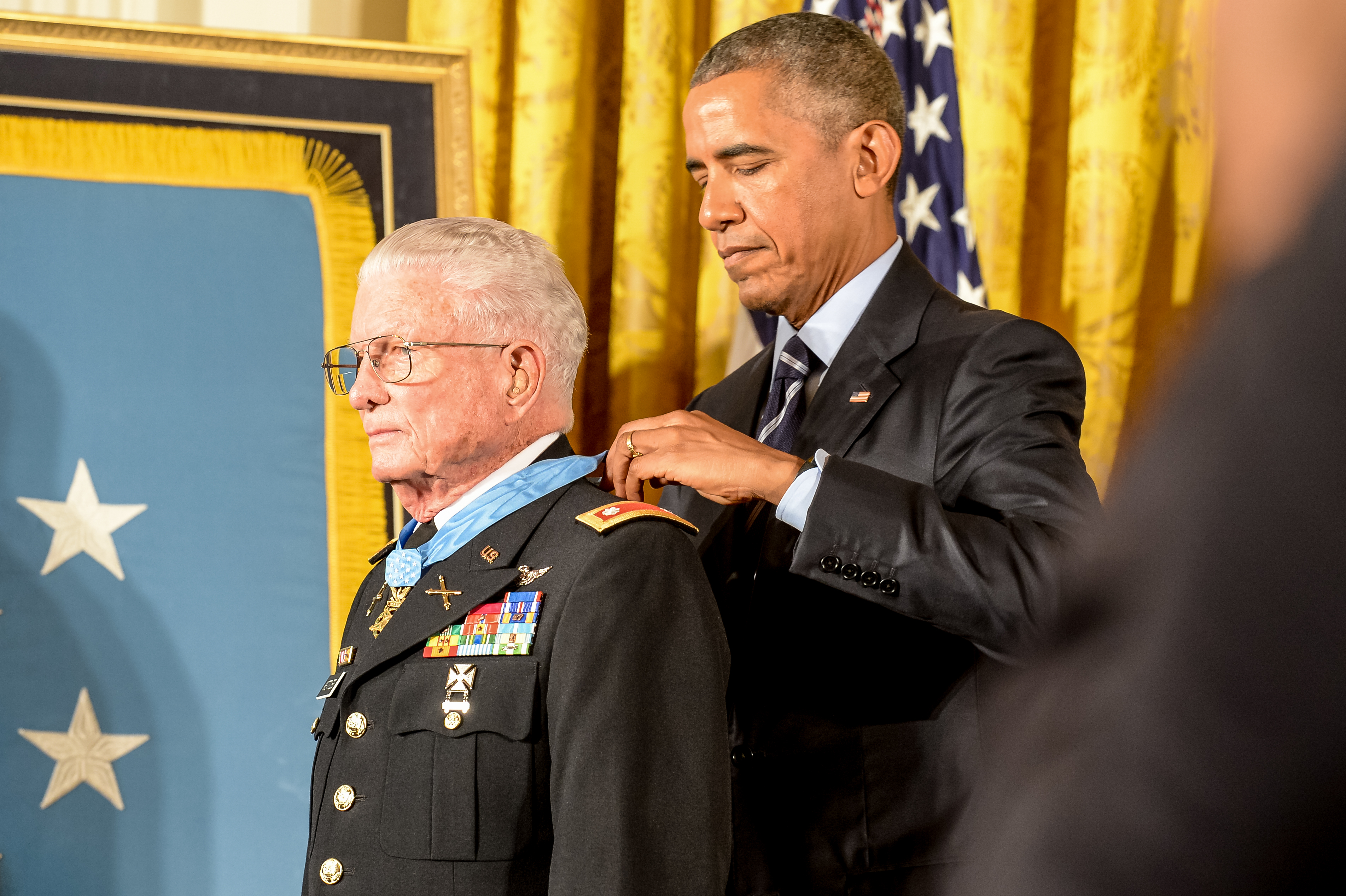
The Numbers Don't Add Up: Three or Seven?
Here's where Keith's story gets interesting from a historical perspective. Official military records credit him with three confirmed enemy kills using grenades and small arms fire. But the soldiers who fought alongside him tell a very different story.
According to survivor accounts, Keith killed seven enemy soldiers, including several in that brutal hand-to-hand combat when ammunition ran low. So why the discrepancy?
Military bureaucracy often struggles to document the chaos of close combat. Kills in hand-to-hand fighting are harder to verify than those from firearms. Sometimes the paperwork simply doesn't capture the full scope of what happened in the heat of battle.
More troubling is the possibility that official reports were deliberately conservative, downplaying the more visceral aspects of Keith's fight to fit a sanitized narrative of how American soldiers conducted themselves in Vietnam.
Why Heroes Like Keith Get Forgotten
Keith's story illustrates a broader problem in how we remember Vietnam. The war became so controversial that individual acts of heroism often got lost in political debates about strategy, tactics, and whether America should have been there at all.
Unlike World War II heroes who benefited from clear moral narratives, Vietnam veterans returned to a country that seemed more interested in forgetting the war than celebrating the courage of those who fought it.
Keith's story also highlights how difficult it is to document heroism in chaotic combat situations. When bullets are flying and men are dying, accurate record-keeping isn't the top priority. Sometimes the most important details only survive in the memories of those who were there.
Legacy of Courage at Duc Pho
The soldiers Keith saved that day carried his story with them for the rest of their lives. His actions exemplified the warrior ethos that bonds military units together — the absolute commitment to leave no one behind, regardless of personal cost.
For those trying to understand the Vietnam War experience, Keith's story offers insights that no strategic analysis can provide. It shows how ordinary men rose to extraordinary challenges when their brothers-in-arms needed them most.
These personal stories matter because they remind us that behind every uniform was a human being capable of remarkable courage. Captain Donald Keith proved that heroism isn't about politics or grand strategy — it's about doing what's right when everything is going wrong.
Have you heard stories of forgotten heroes like Captain Keith from family members or friends who served? Share your thoughts in the comments below, or help us spread awareness of these remarkable stories by sharing this article with others who appreciate military history and the courage of those who served.