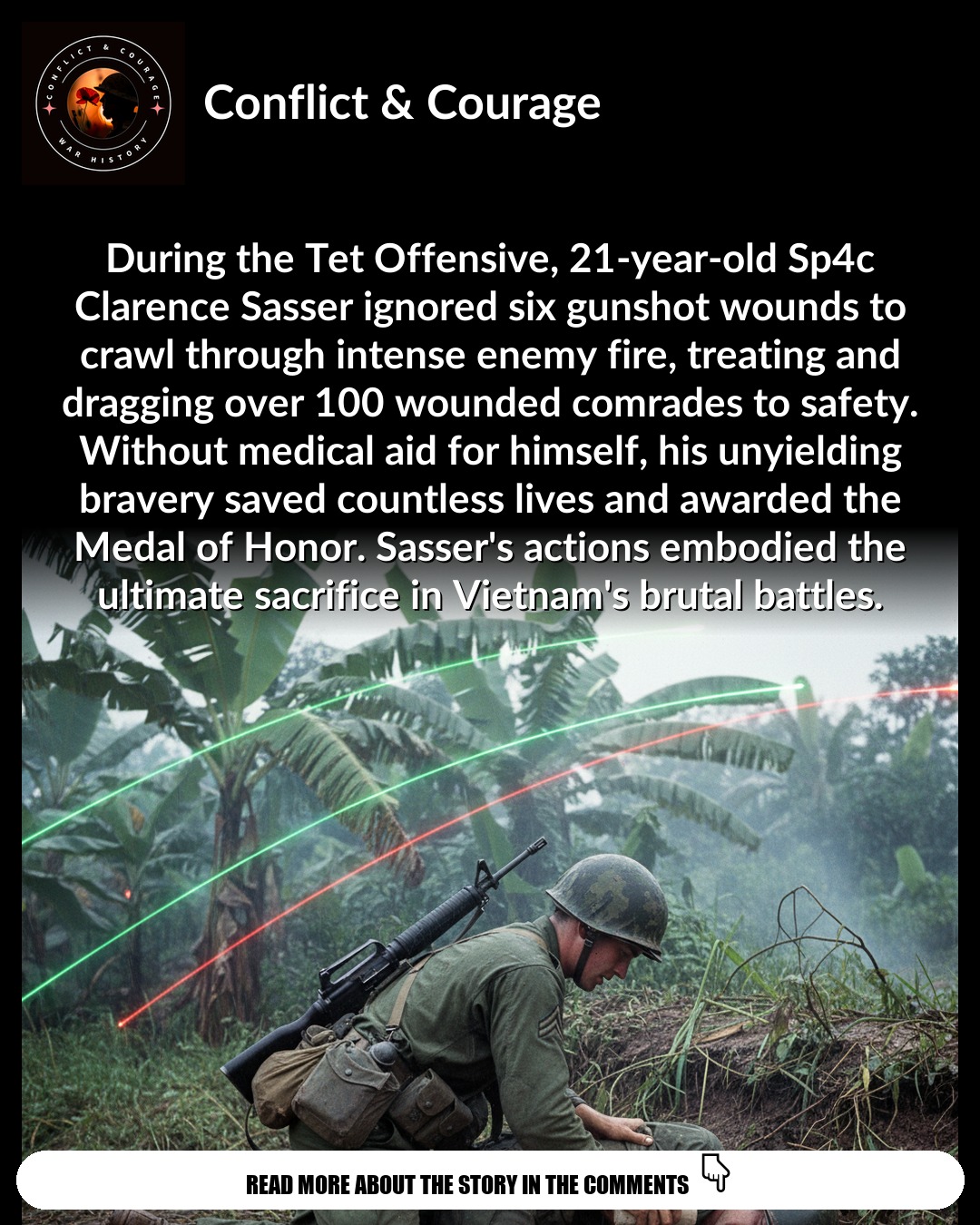
In the pre-dawn darkness of January 10, 1968, the sounds of the Vietnamese jungle were suddenly shattered by explosions and automatic weapons fire. What began as a routine patrol near Ding Tuong Province would become one of the most extraordinary displays of battlefield heroism in American military history.
Twenty-one-year-old Army medic Clarence Sasser was about to face a test that would push human endurance to its absolute limits—and in doing so, redefine what it means to serve others in the face of overwhelming danger.
The Night Everything Changed
The Tet Offensive had caught American forces across South Vietnam completely off-guard. What military intelligence expected to be a quiet period turned into coordinated attacks on over 100 cities and towns. Sasser's unit, Headquarters and Headquarters Company, 3rd Battalion, 60th Infantry, found themselves walking directly into a devastating Viet Cong ambush.
The enemy had chosen their killing field perfectly. Dense jungle provided cover while open rice paddies left American soldiers exposed and vulnerable. When the shooting started, chaos erupted instantly—men were falling everywhere, crying out for help in the darkness.
For most soldiers, the natural instinct would be to find cover and return fire. But Sasser was a combat medic, and wounded men were calling his name. Without hesitation, he made the split-second decision that would define his legacy: he ran toward the danger, not away from it.
From Houston Streets to Vietnamese Battlefields
Clarence Sasser grew up in segregated Houston, Texas, where opportunities for young African American men were limited. Born in 1947, he came of age during the civil rights movement, understanding both the struggles and possibilities that lay ahead for his generation.
When he decided to enlist in the Army, Sasser chose to train as a combat medic—a role that combined his desire to serve his country with his instinct to help others. The training was intense, but nothing could have prepared him for the reality of Vietnam's brutal jungle warfare.
Arriving in-country in 1967, Sasser quickly bonded with his fellow soldiers. These relationships weren't just professional—they were lifelines in an environment where trust could mean the difference between life and death. His unit became his family, and that bond would soon drive him to extraordinary lengths.
The Tet Offensive: Context of Chaos
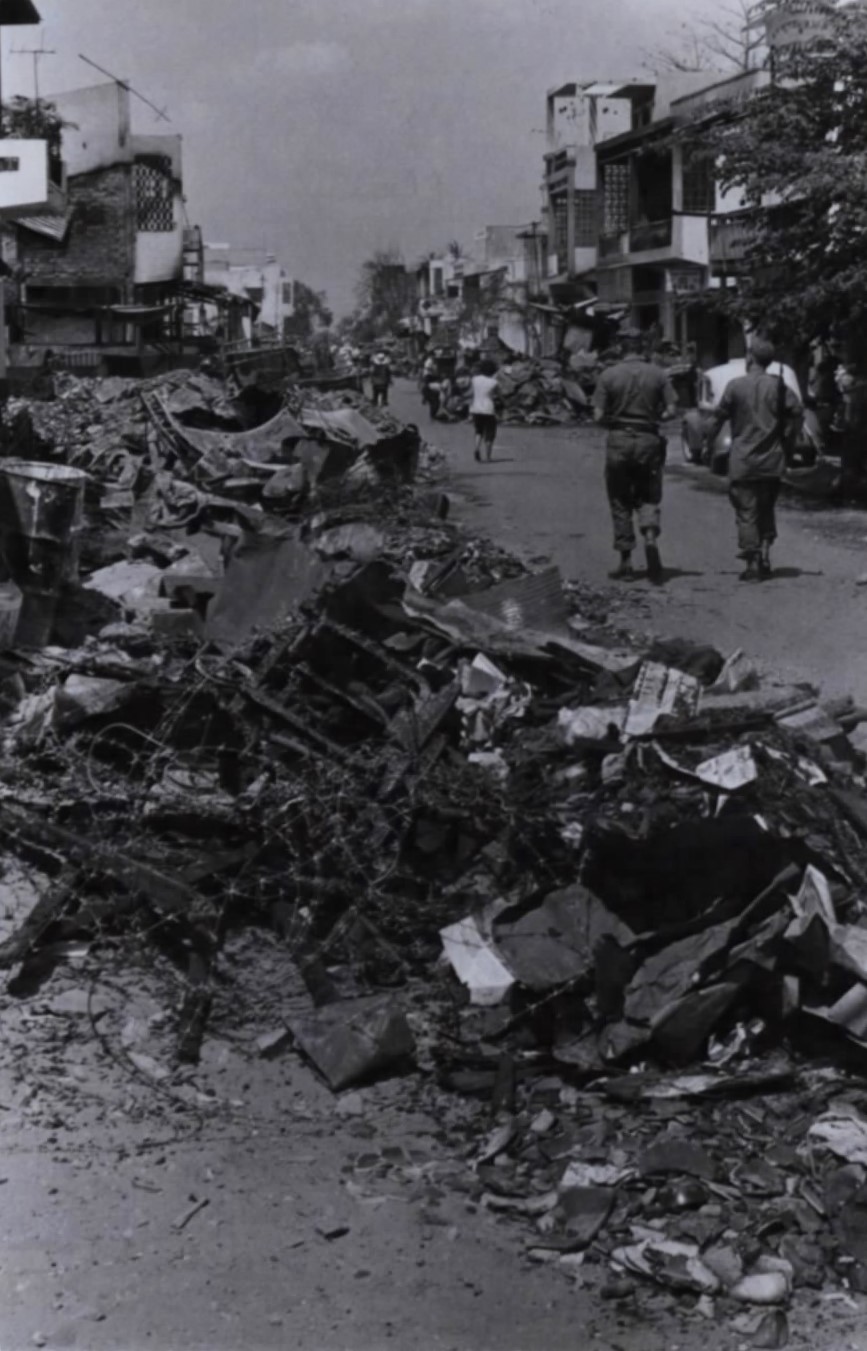
The 1968 Tet Offensive marked a turning point in the Vietnam War. North Vietnamese and Viet Cong forces launched surprise attacks during Tet, the Vietnamese New Year, when a traditional ceasefire was expected. The strategic goal wasn't just military—it was psychological, designed to shatter American confidence in eventual victory.
The surprise attacks succeeded initially, catching American and South Vietnamese forces unprepared. Fighting erupted in urban areas, remote outposts, and everywhere in between. Communication broke down, supply lines were cut, and units found themselves isolated and outnumbered.
Combat medics like Sasser became prime targets during these engagements. Enemy forces understood that eliminating medical personnel would demoralize American troops and reduce their combat effectiveness. This made Sasser's job exponentially more dangerous—and more crucial.
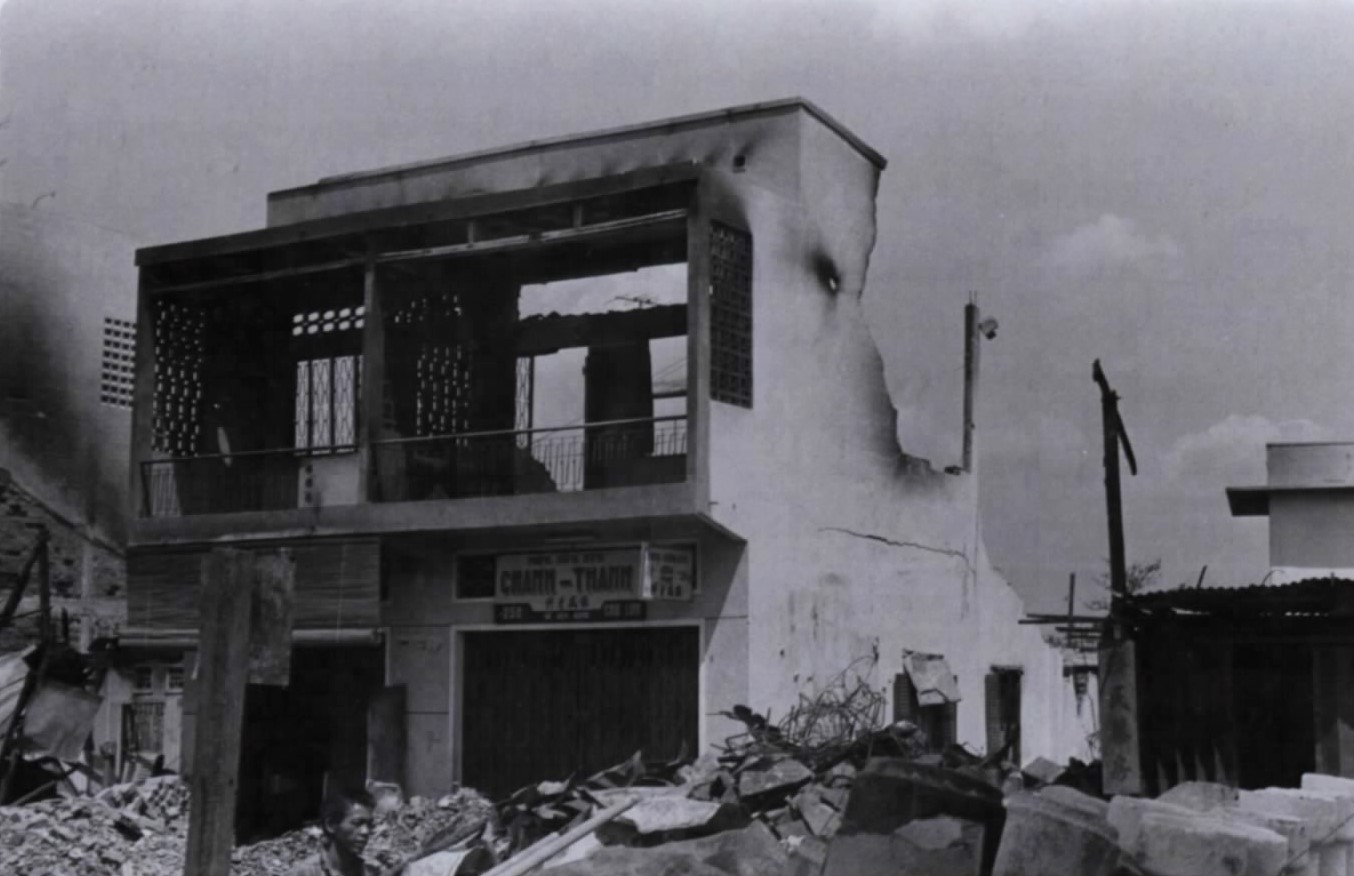
Six Wounds, Zero Quit
The first piece of shrapnel tore through Sasser's chest early in the firefight, a wound that would have sent most men seeking immediate evacuation. Instead, he pressed gauze against the bleeding and kept moving toward wounded soldiers calling for help.
Over the next six hours, enemy fire found him five more times. Machine gun bullets shattered his shoulder. More shrapnel peppered his legs and back. Each hit slowed him down, but none stopped him completely.
When walking became impossible, Sasser crawled. When crawling became agony, he dragged himself using his elbows. Fellow soldiers later described watching in amazement as their medic pulled himself across open ground under heavy fire, leaving a trail of his own blood while still carrying medical supplies to treat others.
His determination became legendary among the men he served. Even as his own strength ebbed, Sasser continued providing life-saving medical care, refusing evacuation until every wounded soldier had been treated.
Saving Lives Under Fire
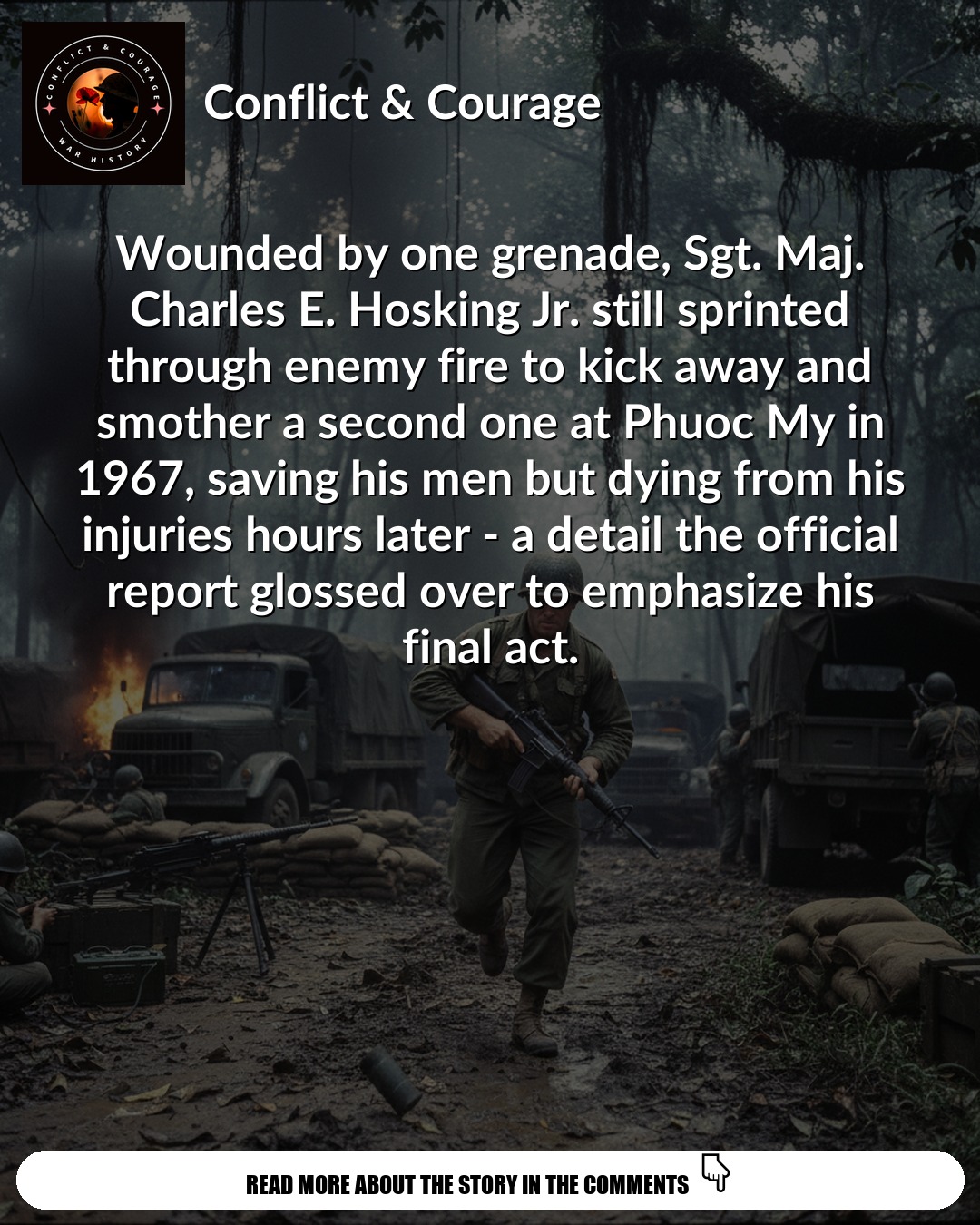
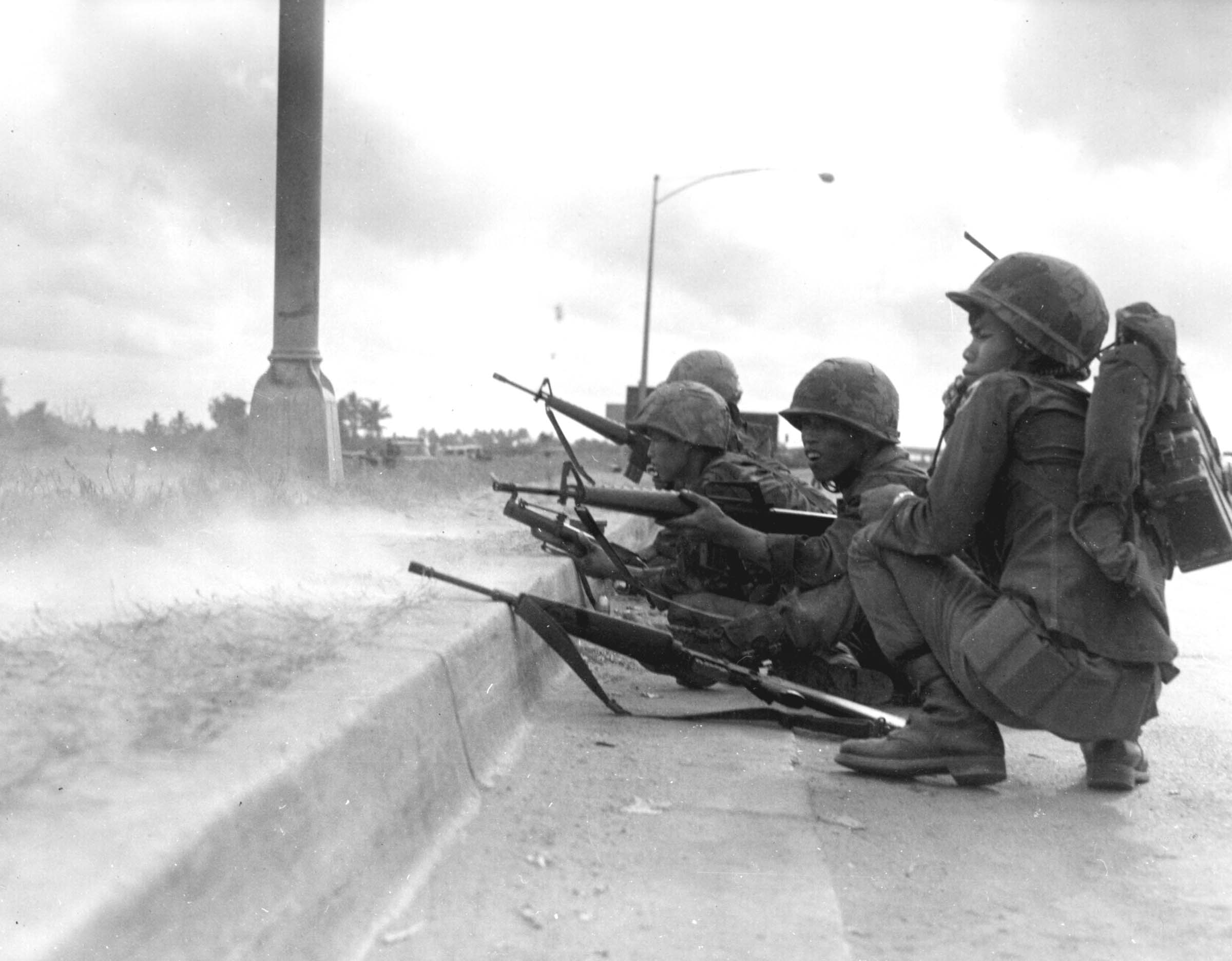
The numbers tell only part of Sasser's incredible story. Over those six brutal hours, he treated more than 100 wounded soldiers—an almost impossible feat under normal circumstances, let alone while under constant enemy fire and dealing with his own severe injuries.
His field medicine techniques were both innovative and desperate. Working by touch in the darkness, he applied tourniquets, administered morphine, and stabilized critical wounds using whatever supplies he could carry or scavenge. When medical equipment ran low, he improvised using torn clothing and battlefield debris.
The soldiers whose lives he saved never forgot. Years later, they would describe how Sasser's calm presence and professional skill gave them hope during their darkest moments. His actions didn't just save lives—they kept the unit combat-effective during critical hours when every fighting man counted.
Medal of Honor Recognition
The nomination process for Sasser's Medal of Honor was supported by numerous eyewitness testimonies from soldiers who survived that night. Their accounts painted a picture of heroism that transcended normal human limitations.
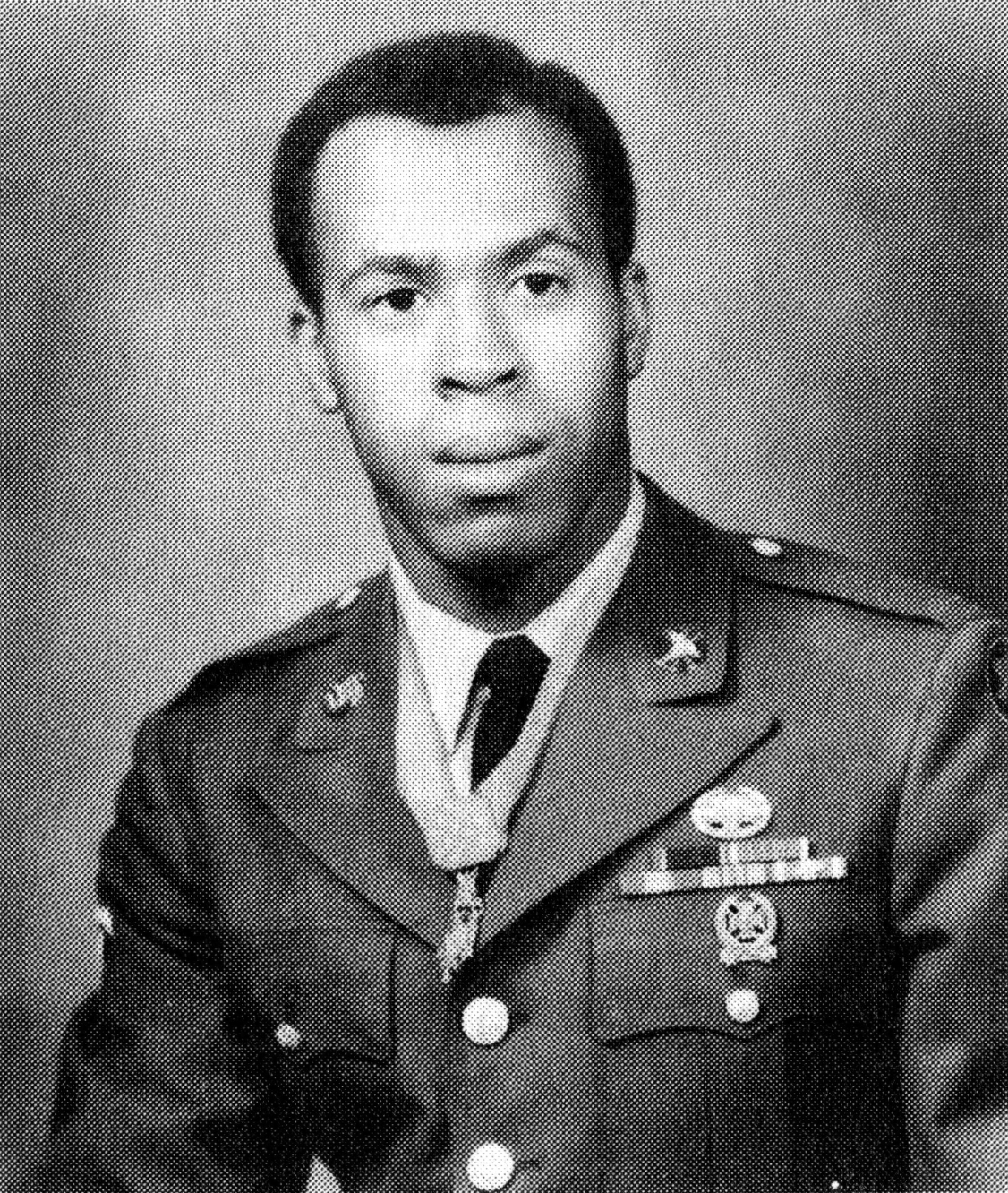
On March 7, 1969, President Richard Nixon presented the Medal of Honor to Clarence Sasser in a White House ceremony. The citation specifically recognized his "conspicuous gallantry and intrepidity in action at the risk of his life above and beyond the call of duty."
Sasser's humble response to becoming a national hero was characteristic of the man himself. He consistently deflected praise, insisting he had simply done his job. To him, the real honor was in serving alongside the soldiers whose lives he had helped save.
Legacy of a Combat Medic
Clarence Sasser's actions that night influenced military medical training for generations. His story became required study for combat medics, demonstrating how determination and skill could overcome seemingly impossible odds.
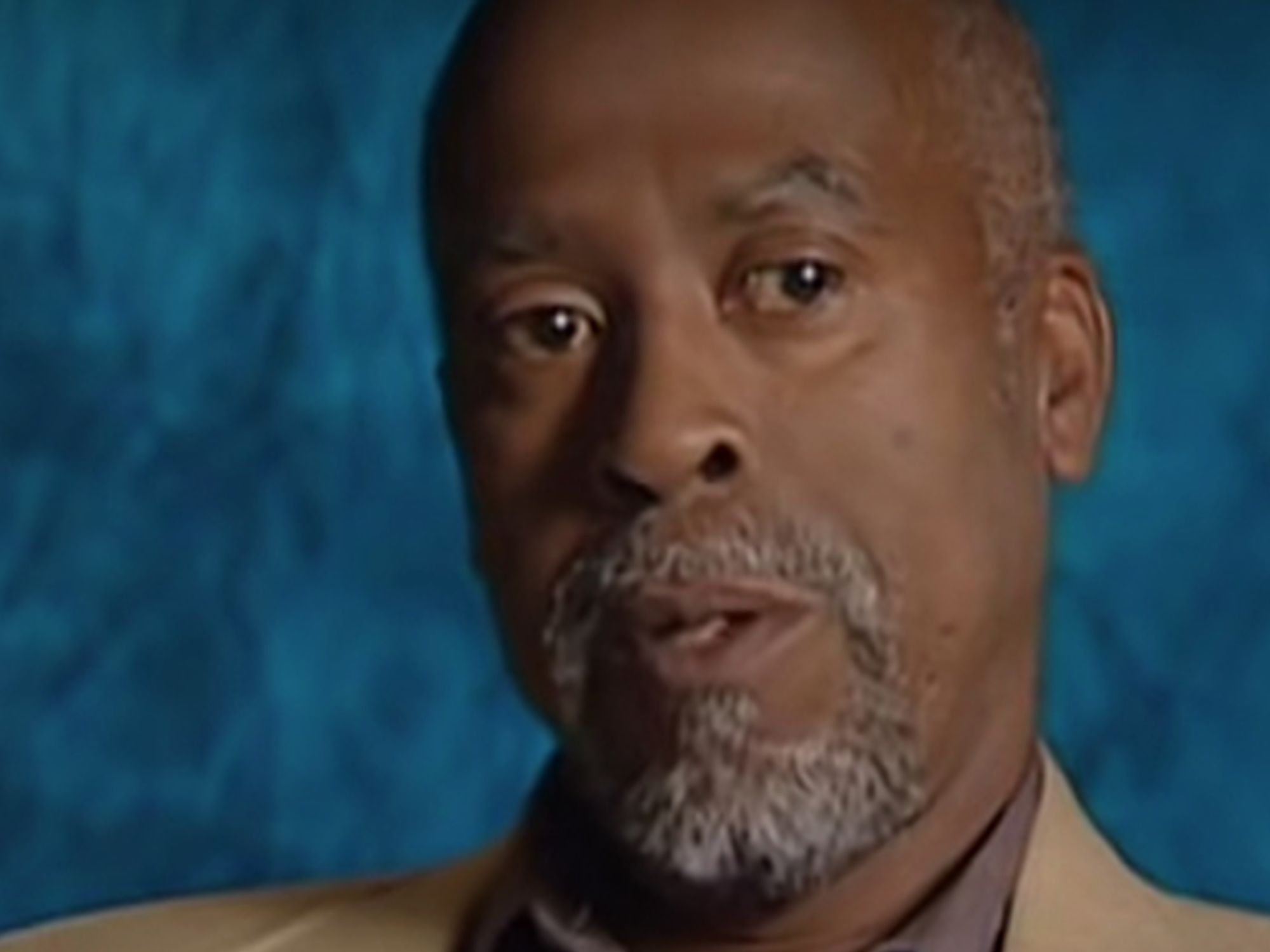
Like other Medal of Honor recipients such as Henry Johnson and Melvin Morris, Sasser continued serving veterans long after the war ended. His post-military career focused on helping fellow veterans transition to civilian life and ensuring their sacrifices were remembered.
The bonds forged that night in the Vietnamese jungle lasted decades. Annual reunions brought together the soldiers whose lives Sasser saved, creating a brotherhood that extended far beyond military service. Their enduring friendship stands as testament to the power of selfless service under fire.
Today, Clarence Sasser's story remains more relevant than ever, inspiring modern military medics and reminding us all what true heroism looks like when everything is on the line.
Have you heard other incredible stories of combat medics who went above and beyond? Share your thoughts in the comments below, and don't forget to pass along this remarkable tale of courage to others who appreciate the extraordinary sacrifices made by our military heroes.