On the morning of 1 September 1939, as German tanks rolled across the Polish border, something extraordinary and heartbreaking was already underway in Britain. Mothers were pinning cardboard luggage labels to their children's coats, pressing sandwiches into small hands, and trying not to cry on the platforms of London's great railway stations. Within three days, an estimated 1.5 million children would be on the move. Operation Pied Piper — the largest civilian movement in British history — had begun.
The Day Britain Said Goodbye to Its Children
The timing was no accident. Government planners had chosen 1 September 1939 deliberately, moving children out before the first bombs fell rather than during the chaos of an actual attack. London's mainline stations — Paddington, Euston, Waterloo, Liverpool Street — became scenes of barely controlled emotion, children clutching gas mask boxes and small suitcases, many wearing their name and destination on a label tied to their coat like a parcel being posted.
For thousands of these children, the journey itself was a revelation. Many had never left their street, let alone their city. Some had never seen a field, a cow, or a horizon unbroken by rooftops. The culture shock, in both directions, would prove to be one of the most socially significant byproducts of the entire war.
Parents had no idea where their children were being sent. Destinations were kept secret to prevent panic and deny useful intelligence to the enemy. You kissed your child goodbye on a platform and waited to find out where they had ended up.
Why Britain Feared the Bombs — The Threat That Drove Evacuation
The fear driving Operation Pied Piper was not irrational. RAF planners estimated in the late 1930s that German bombing could kill as many as 600,000 British civilians in the first two months of a war. Those numbers sound staggering today, but they were based on cold calculation.
The bombing of Guernica in April 1937, when German and Italian aircraft obliterated the Basque town during the Spanish Civil War, had shown the world in horrifying detail what modern air power could do to a civilian population. Newsreel footage played in British cinemas. The lesson was not lost on Whitehall.
The Anderson Committee, formed in 1938 under Sir John Anderson, recommended mass evacuation as the only realistic way to protect children from urban bombing. Cities identified as primary targets — London, Birmingham, Manchester, Glasgow, Liverpool, Bristol — were all major industrial and port centres, exactly the kind of infrastructure a Luftwaffe bombing campaign would prioritise. Quietly, the government had been drawing up evacuation plans since as early as 1934, long before war was a certainty.
Planning the Impossible: How Britain Organised 1.5 Million Journeys
The logistical scale of Operation Pied Piper was staggering. The Ministry of Health coordinated the operation alongside local authorities and the four major railway companies — the LMS, LNER, GWR and Southern Railway — scheduling over 4,000 special trains in the first four days of September 1939 alone.
Children were organised by school rather than family, with teachers accompanying their classes. Many of those teachers would remain with their evacuees for months, serving as the only familiar adult presence in an unfamiliar world. It was a quiet act of dedication that history has not always recognised.
Receiving areas were designated across rural England, Wales and Scotland — Devon, the Welsh valleys, the Lake District, rural Suffolk, Shropshire and the Scottish Borders among them. Local billeting officers were given legal powers under the Billeting of Civilians Act 1939 to compel households to take in evacuees, though the act was enforced with varying degrees of rigour.
The Children's Experience: Labels, Strangers and a New Life
The arrival process was, by many accounts, deeply undignified. Children were brought to village halls and church halls, where local families would look them over and choose who to take. Evacuees who were interviewed decades later by the Imperial War Museum frequently used the same phrase: it felt like a cattle market.
Siblings were regularly separated — sometimes sent to different villages, sometimes to different counties entirely. For younger children especially, this compounded the trauma of leaving home. Letters back to parents were sometimes censored or discouraged by unwilling hosts. The BBC broadcast coded messages for evacuees whose families had no telephone — a surreal reminder that this was wartime communication at its most improvised.
The experiences varied enormously. Some evacuees were genuinely welcomed, found surrogate families, and thrived in ways they never would have in cramped urban housing. Others faced neglect, were used as cheap farm labour, or encountered outright hostility from hosts who had been compelled rather than volunteered. Both versions of the story are true, and both matter.
The Hosts: Rural Britain Meets the City Kids
The arrival of city children in rural Britain was a social earthquake. Working-class children from Bermondsey or Salford found themselves in middle-class Home Counties drawing rooms. Middle-class children ended up in remote Welsh farming cottages with no running water. The mixing was thorough and frequently uncomfortable.
Many rural host families were genuinely shocked by what they saw — children with no underwear, riddled with head lice, who had never eaten a meal at a table or used an indoor bathroom. It was, as historians have noted, a revelation of urban poverty that no government report had made quite so visceral or personal.
The Women's Voluntary Service (WVS), founded in 1938 by Stella Reading, Marchioness of Reading, played a central role in organising billeting and welfare across the country. Their work — largely unsung during the war itself — was essential to holding the operation together at the community level.
Some host families formed bonds that outlasted the war entirely. Reunion events are still held today by the Evacuees Reunion Association, founded in 1995, where former evacuees and the families of their hosts share memories that are now well over eighty years old. Church organisations, including the Quakers, also ran separate schemes to place Jewish refugee children evacuated to Britain under the Kindertransport programme alongside the wider evacuation effort.
The Drift Back Home — and Then the Blitz Began
By January 1940, the evacuation was unravelling. The expected bombs had not fallen. The period Britain called the Phoney War — that strange, tense lull between declaration and full-scale conflict — made evacuation feel like an overreaction. Roughly 900,000 evacuees had drifted back to their families in the cities, pulled home by homesickness, parental anxiety, and a creeping sense that the danger had been exaggerated.
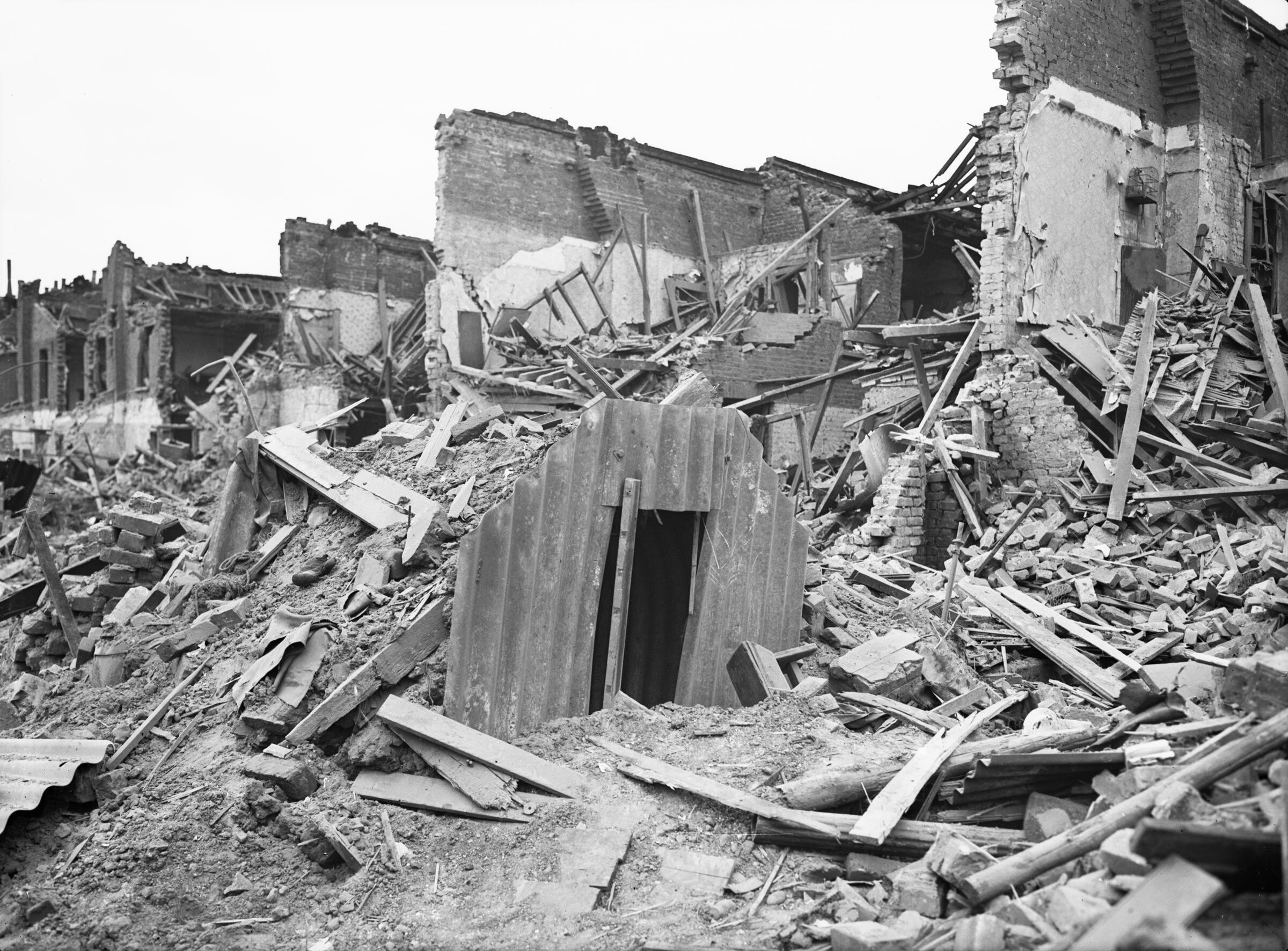
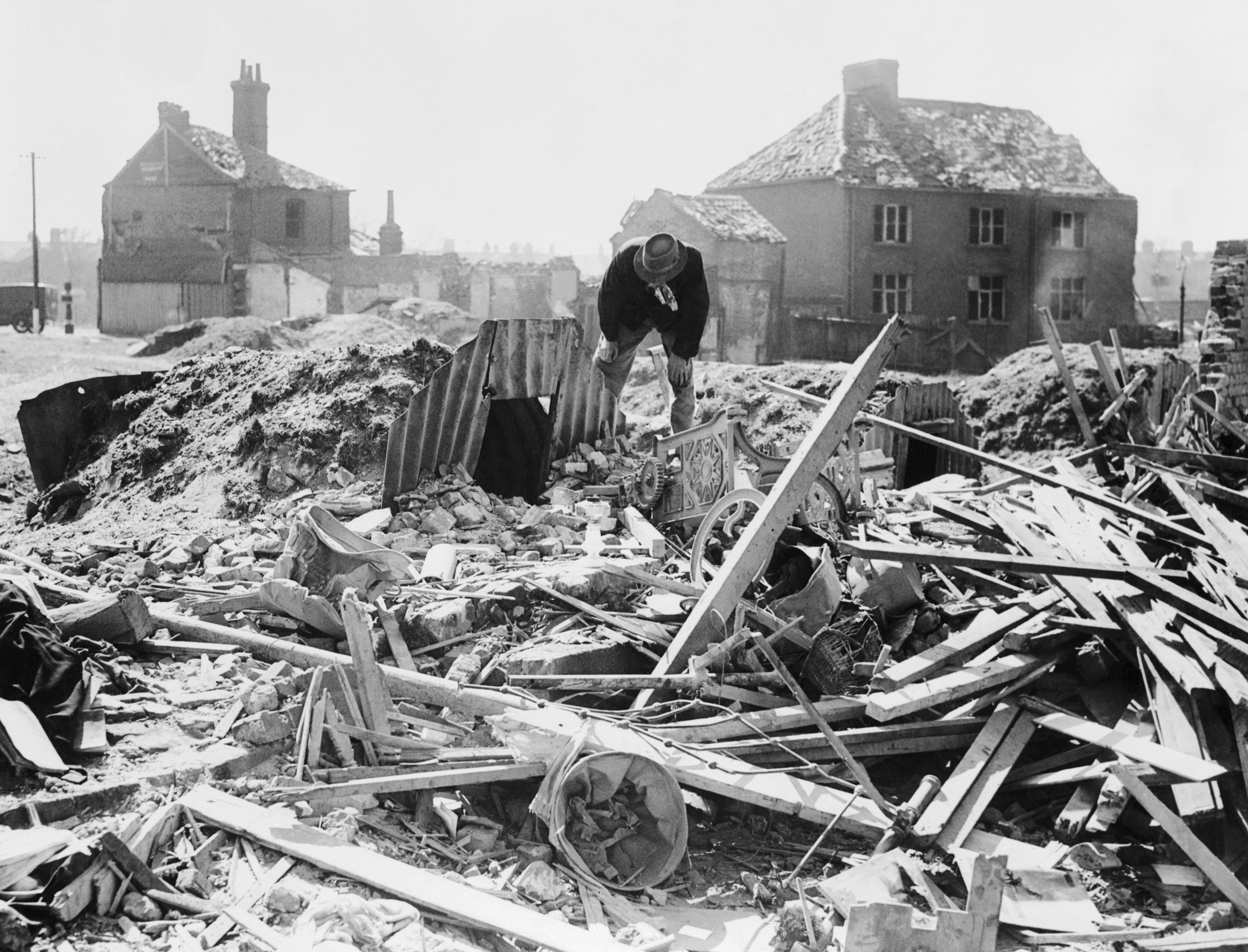
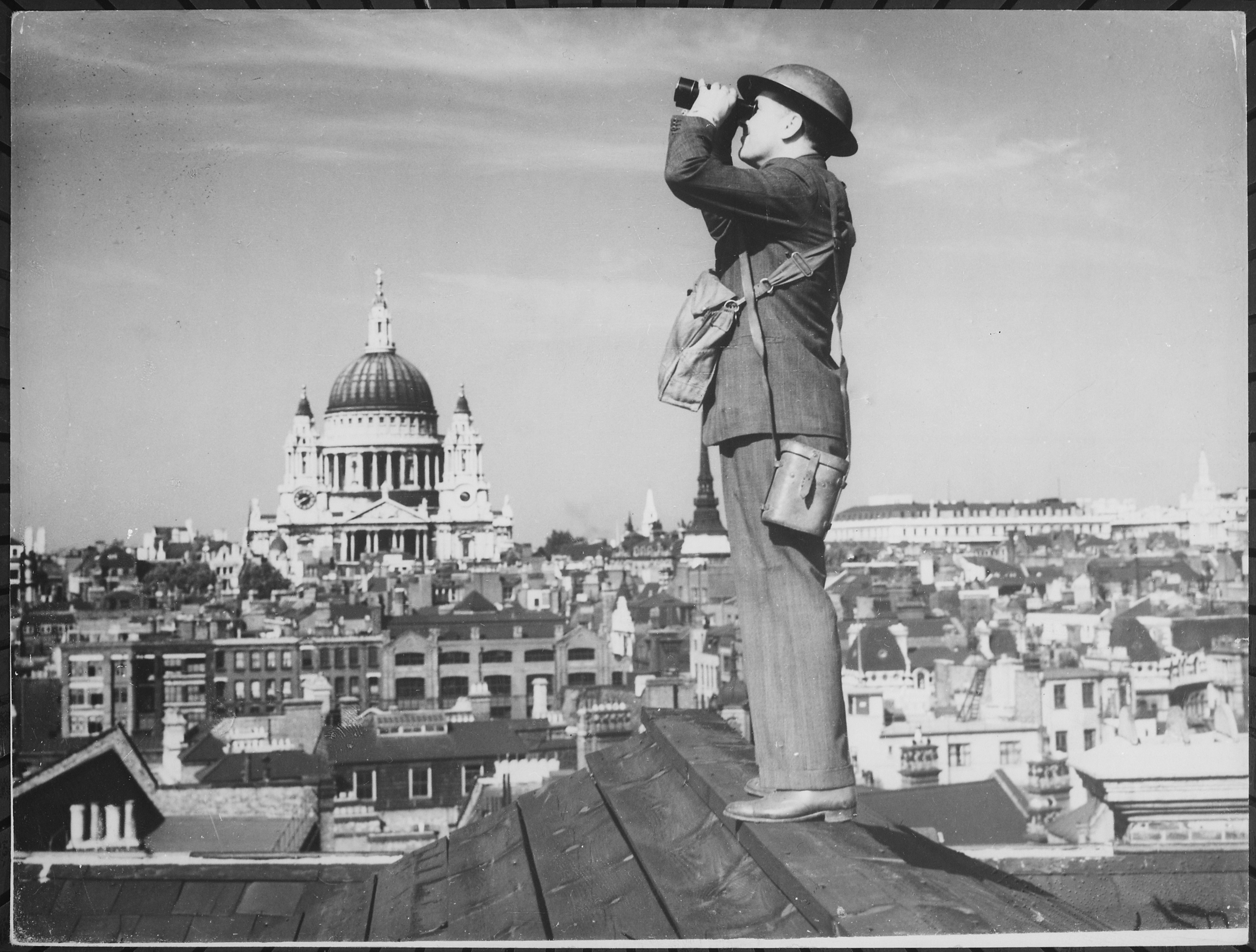
Then, on 7 September 1940, the Luftwaffe began bombing London. The Blitz had started. For the next 57 consecutive nights, German aircraft pounded the capital. The danger that planners had predicted three years earlier was now utterly, undeniably real.
A second wave of evacuation was hastily organised. By the end of 1940, over 1.25 million people — children and, this time, some mothers too — had been evacuated again. The bombing of Coventry on 14 November 1940, which killed 568 civilians in a single night and destroyed the city centre, and the sustained assault on Plymouth, made brutally clear why the evacuation had been necessary all along.
Voices From the Evacuation: Real Stories That Stayed With People Forever
The human stories of Operation Pied Piper are what give it its lasting power. Michael Caine — born Maurice Micklewhite in Bermondsey — was evacuated to North Roding in Essex at the age of six. He later described it as his first encounter with the countryside, a world that felt entirely alien to a boy raised in south London streets.
The Imperial War Museum holds the diary of evacuee Kathleen Skin, kept between 1939 and 1941, which describes in a child's handwriting the homesickness, unexpected kindnesses, and bewildering customs she encountered in her billet. It is exactly the kind of primary source that makes this history feel immediate rather than distant.
Many evacuees only learned that their parents had been bombed out weeks after it happened, through delayed letters or a visit from a relative who had tracked them down. The emotional weight of that kind of news, arriving cold and late, is difficult to overstate. Some children under the Children's Overseas Reception Board (CORB) scheme were sent as far as Canada, Australia, and the United States — and a number never fully readjusted to British life when they finally came home.
It is worth noting that the human cost of war extended far beyond the battlefield. Just as the Sullivan family's devastating loss on the USS Juneau reshaped how Americans thought about family sacrifice, the evacuation forced Britain to confront what it truly meant to send its most vulnerable into the unknown for the sake of survival.
Coming Home: The Long Road Back After the War
Official evacuation was not declared over until March 1946. Some children had been away from their families for the better part of seven years — longer, in some cases, than they could properly remember living at home. The reunion, when it came, was often not the joyful moment families had imagined.
Psychologists observed widespread emotional detachment in returning evacuees. Many described feeling like strangers in their own homes, unable to reconnect with parents they had last seen as very young children. Siblings who had been separated throughout the war sometimes barely recognised each other.
Sociologist Richard Titmuss, in his landmark 1950 official history Problems of Social Policy, documented the long-term welfare consequences of the evacuation in meticulous detail. His work remains one of the key texts for understanding how wartime experience shaped post-war British social policy.
Some evacuees simply refused to go back. They had built lives in the villages and market towns that had taken them in, and the cities no longer felt like home. Others carried the experience — for better or worse — as the defining event of their childhood.
Why Operation Pied Piper Still Matters — A Legacy That Shaped Modern Britain
The evacuation did something that no government survey or parliamentary debate had managed: it forced Britain's different classes and regions to look each other in the face. The poverty that rural host families witnessed, and the deprivation that middle-class evacuees observed in their working-class billet companions, created a political pressure that did not dissipate when the war ended.
Historians widely credit the evacuation experience with accelerating the demand for social reform that swept Clement Attlee's Labour government into power in 1945. The National Health Service, the expansion of social housing, the 1944 Education Act — all of these drew, at least in part, on what evacuation had revealed about inequality in Britain.
Operation Pied Piper also left its mark on culture. It runs through British children's literature — in C.S. Lewis's The Lion, the Witch and the Wardrobe, the Pevensie children are evacuees. It appears in film, memoir, and oral history. The Evacuees Reunion Association continues to collect and preserve testimonies, conscious that the generation with direct memories is now in its eighties and nineties.
For readers in the 55 to 65 age group, this is not distant history. Many had parents or grandparents who were evacuees, who were parted from their children, or who opened their homes to strangers. This is living memory, just one generation removed — and it shaped the Britain those readers grew up in more profoundly than most people realise.
Further reading
- Imperial War Museum — holds extensive oral history recordings, diaries and photographs from evacuees and host families
- The National Archives, Kew — government records including Ministry of Health files, the Billeting of Civilians Act 1939, and Anderson Committee reports
- BBC Archives — wartime broadcasts including evacuation announcements and the People's War oral history project
- Evacuees Reunion Association — founded in 1995, campaigns to preserve evacuee testimonies and holds annual reunion events
- Museum of London — collections documenting the Home Front, the Blitz, and London civilian life during the Second World War