During the Blitz, millions of British families sheltered from German air raids in a simple structure buried in the back garden: the Anderson shelter. Cheap, quickly assembled, and only marginally comfortable, it nonetheless saved a great many lives, and it became one of the most familiar objects of the wartime home front.
Designed in 1938
The shelter is named after Sir John Anderson, the minister responsible for air-raid precautions in the run-up to the war, but he did not design it. The engineering work was done in 1938 by William Paterson and Oscar Carl Kerrison, who were commissioned to produce a small, cheap shelter that ordinary households could put up themselves. Anderson approved the design and lent it his name, and the finished product entered mass production before the war began.
The brief was shaped by hard constraints. Concrete communal shelters were slow to build and needed skilled labour and materials that were in short supply. A structure of curved corrugated-steel panels could be stamped out in large numbers, flat-packed, and assembled by a family with a spade.
How It Was Built
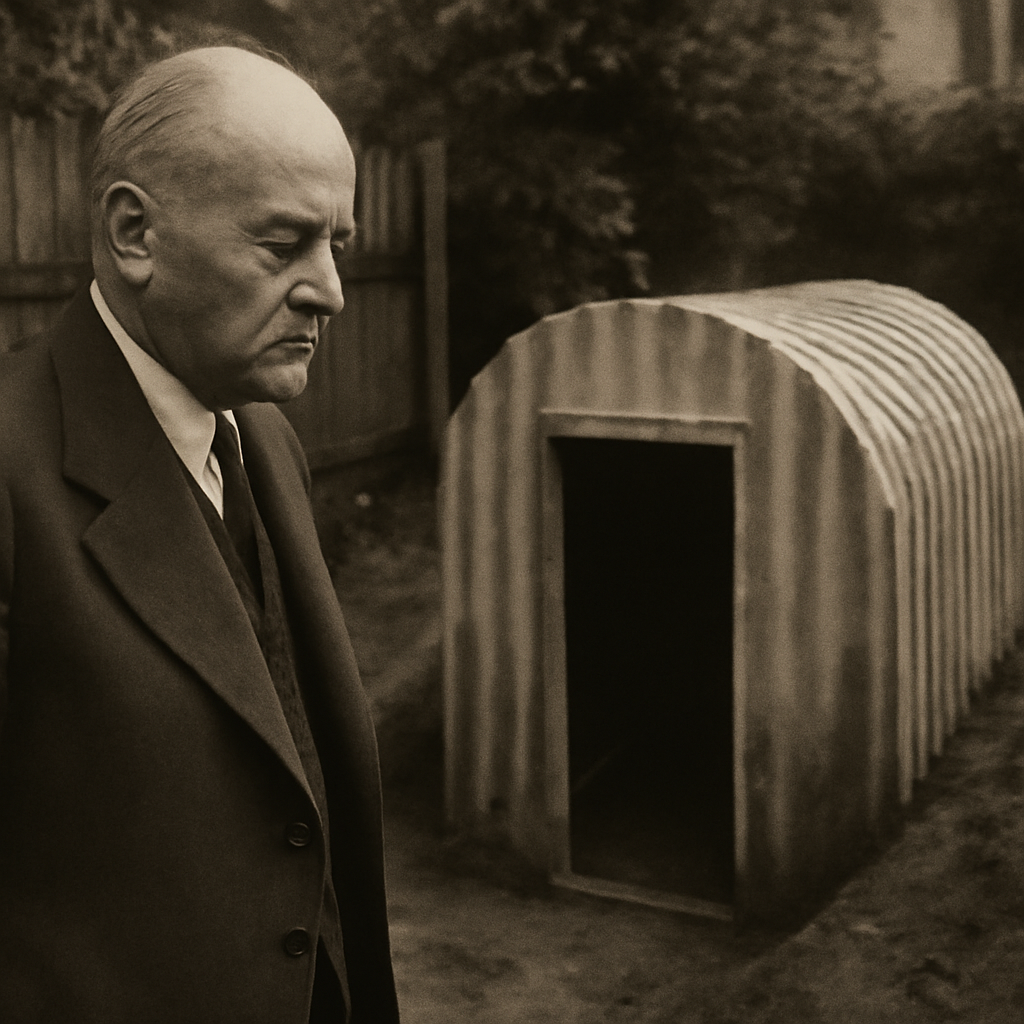
An Anderson shelter was made from fourteen panels of galvanised corrugated steel, six of them curved to form the roof. The panels bolted together into an arch roughly six feet high, four and a half feet wide and six and a half feet long, enough for a family of six at a squeeze.
The shelter was not simply stood on the ground. Households dug a pit around four feet deep, set the steel arch into it, and then piled at least fifteen inches of earth over the top and around the sides. The surrounding soil, not the metal alone, was what absorbed the shock of a nearby blast and stopped flying shrapnel. Many families planted vegetables on the earth mound, turning the shelter into part of the garden.
Free for Lower Earners
Anderson shelters were distributed from early 1939. They were supplied free to households earning less than GBP 250 a year, which covered most working-class families; those on higher incomes paid around GBP 7. By the time war broke out in September 1939, roughly 1.5 million had been issued, and more followed as the raids intensified, bringing the total to around 3.6 million.
The shelter had real limitations. It offered good protection against blast and shrapnel but not against a direct hit, and its low, half-buried design meant it frequently flooded, leaving families sitting in cold water. For households without a garden, the alternative from 1941 was the indoor Morrison shelter, a steel cage that doubled as a table and could be used inside the home.
Life in the Shelter
Spending night after night in an Anderson shelter was an ordeal. They were damp, cold, and cramped, and the sound of a raid was muffled but never shut out. Families brought in bunks, blankets, oil lamps and flasks, and made the best of long hours underground while the all-clear was awaited.
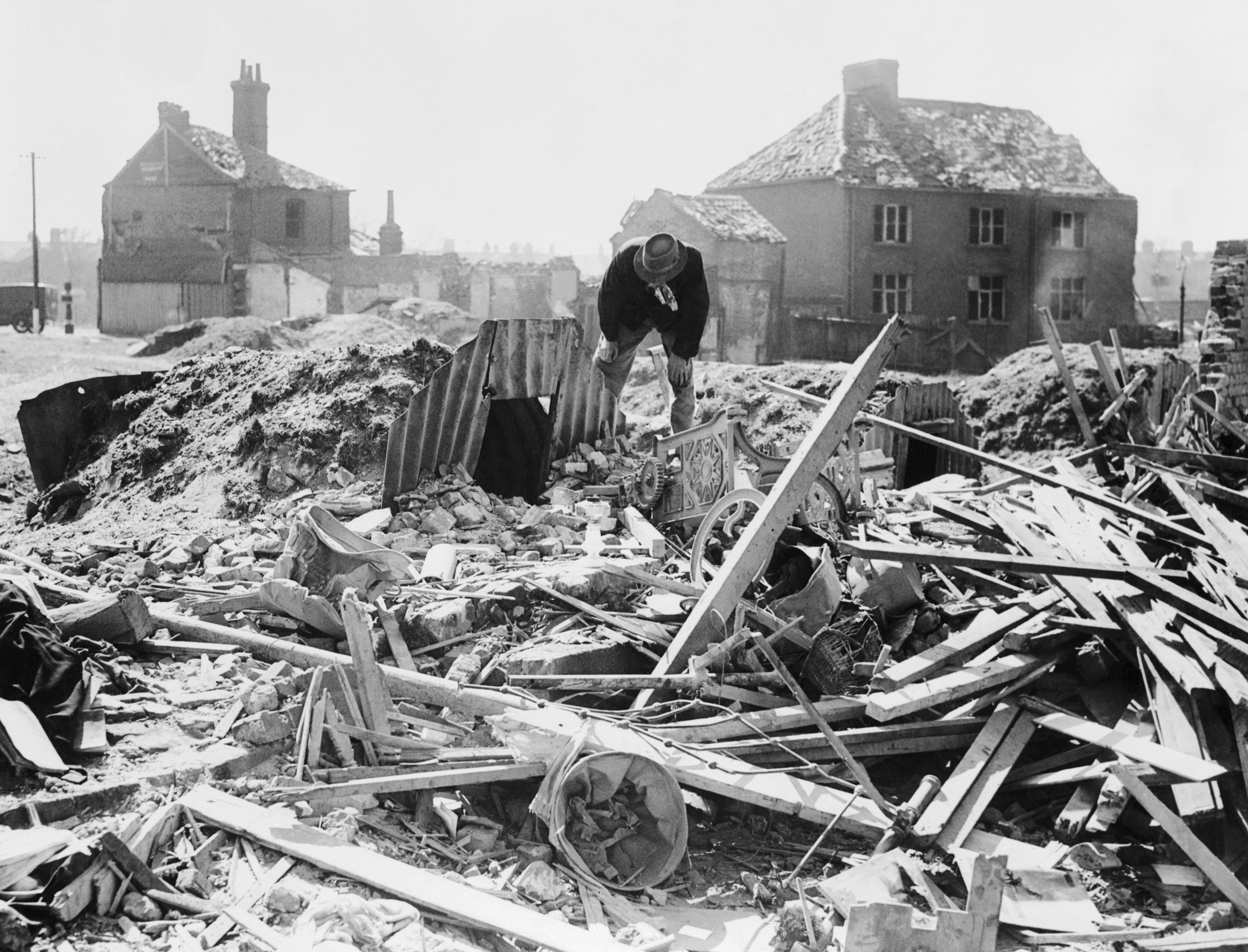
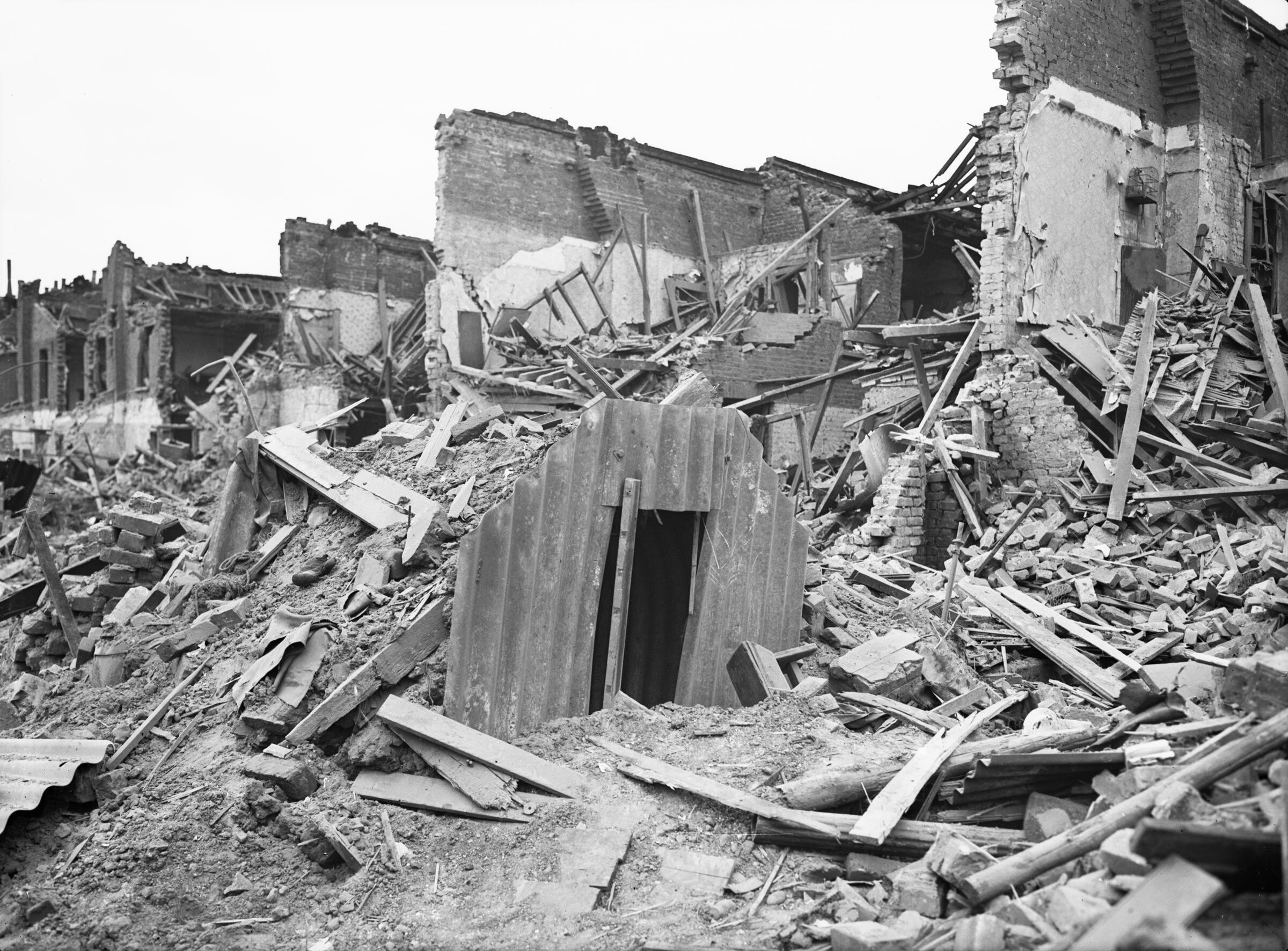
For all the discomfort, the shelters worked. Households repeatedly emerged from an intact Anderson shelter to find their house damaged or destroyed above them. That basic exchange, a miserable night for a far better chance of survival, is why the corrugated arch in the garden became one of the enduring images of British civilian life in the war.