History often remembers the famous generals and their dramatic moments of glory, but sometimes the most crucial acts of courage come from the most unlikely heroes. At the Battle of Cedar Creek in 1864, while General Sheridan was making his legendary ride to save the Union army, a 15-year-old battery laborer was single-handedly manning a cannon that held the line against Confederate assault.
His name has been largely lost to history, but his actions that foggy October morning may have changed the course of the Civil War's final chapter.
When the Fog Rolled In at Cedar Creek
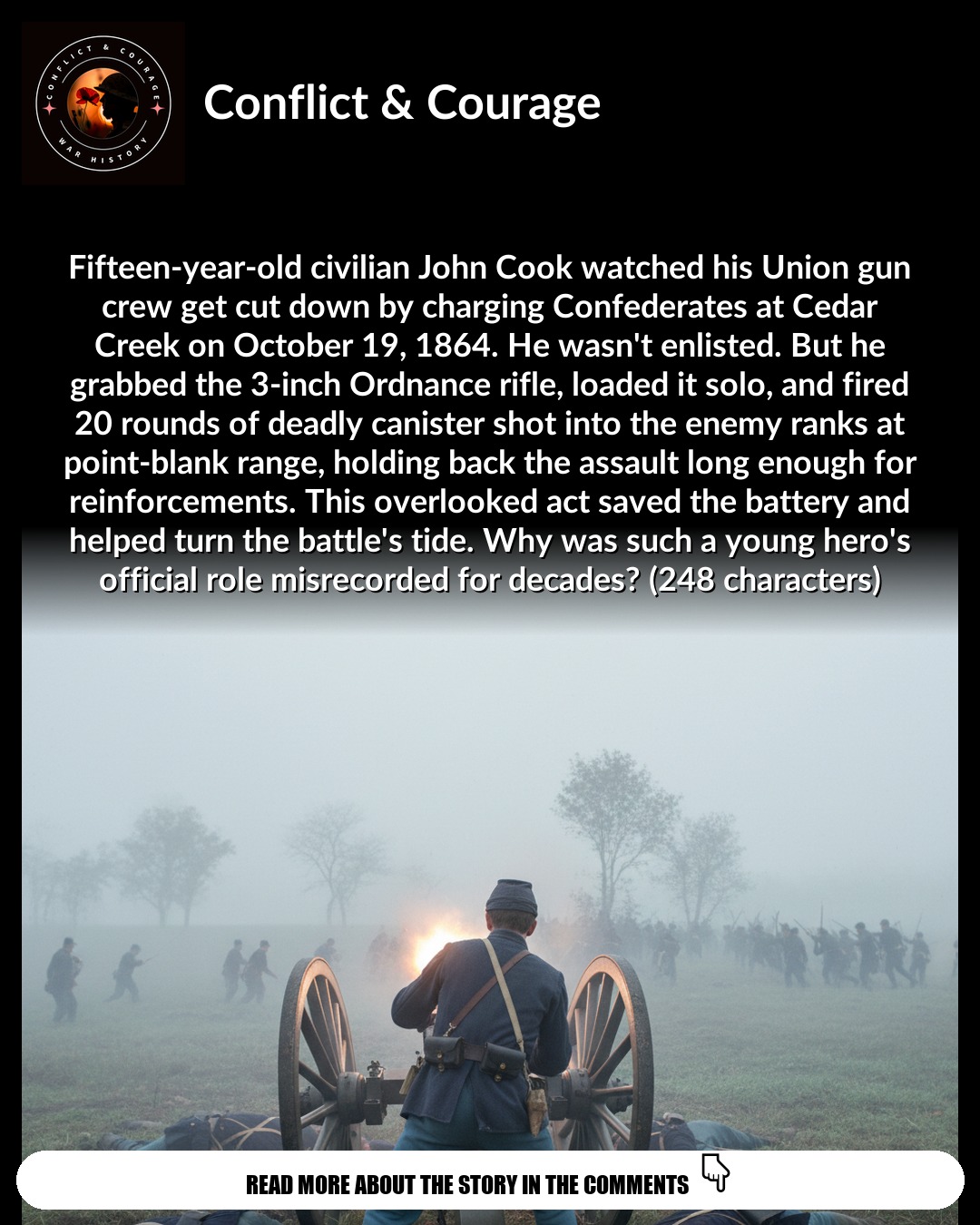
October 19, 1864, dawned with an unusually thick fog blanketing the Shenandoah Valley. Confederate General Jubal Early had planned his attack perfectly, using the morning mist as nature's own smokescreen.
Union forces at Cedar Creek were caught completely off guard. Soldiers stumbled from their tents to find gray-uniformed figures emerging like ghosts from the fog. The surprise was total and devastating.
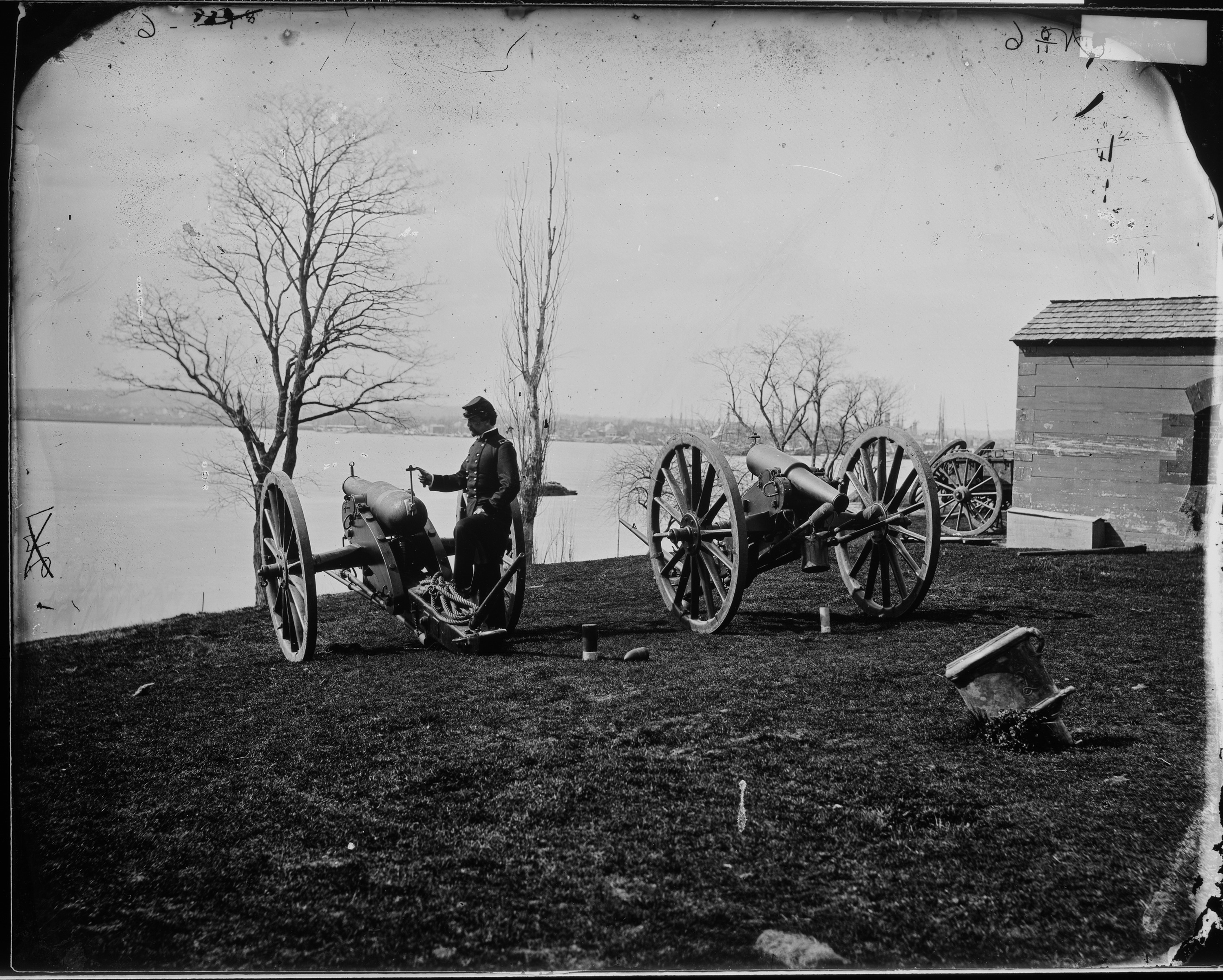
The 8th Vermont Battery held crucial high ground, their artillery pieces positioned to command the battlefield below. But as Confederate forces surged forward in overwhelming numbers, even this advantageous position seemed doomed to fall.
A Boy Among Men
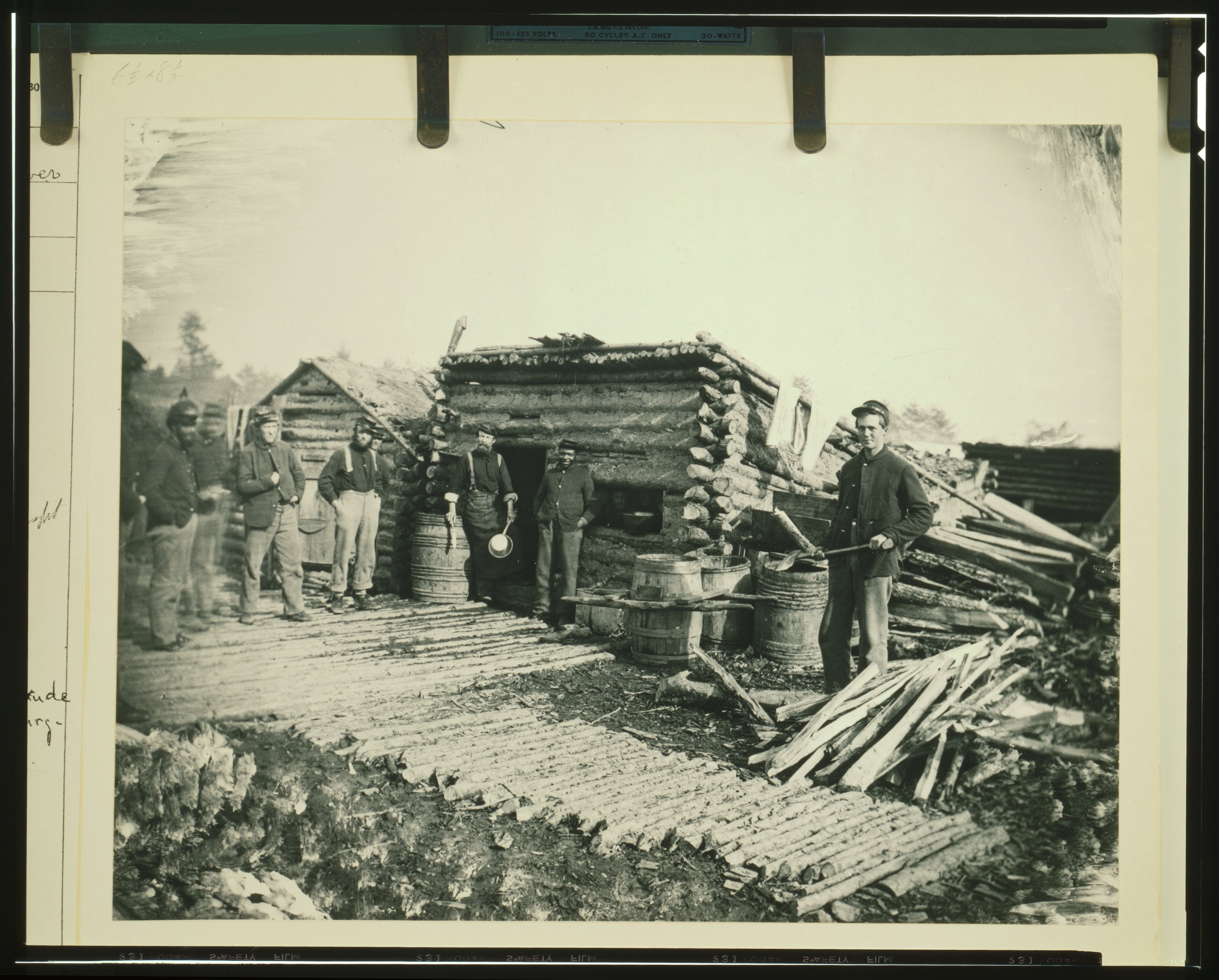
Among the battery's crew was its youngest member—a 15-year-old laborer who wasn't even officially enlisted as a soldier. He'd been hired to haul ammunition, maintain equipment, and handle the countless unglamorous tasks that kept the artillery functioning.
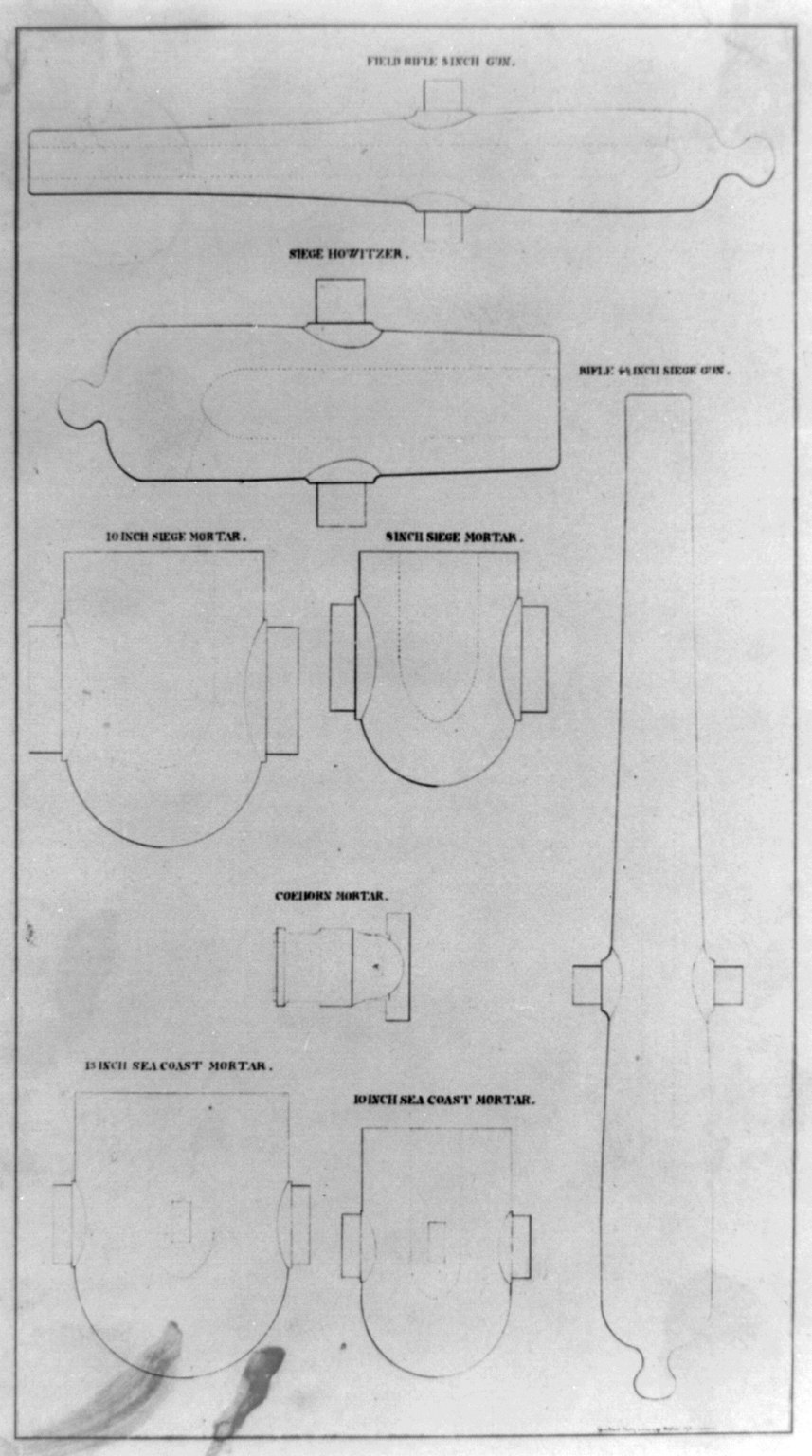
The boy had spent months watching the veteran gunners work their deadly craft. He'd memorized every step of loading and firing the massive 12-pounder Napoleon cannon. What started as curiosity had become an education born of necessity.
Nobody expected that this unofficial member of the crew would soon become the battery's last hope.
The Crew Falls
As Confederate sharpshooters found their range through the lifting fog, the gun crew began dropping one by one. These were experienced artillerymen who had survived countless battles, but the surprise attack had caught them exposed and vulnerable.
The battery commander fell first, then the gunner, then the loaders. Within minutes, the young laborer found himself alone with a loaded Napoleon cannon and gray uniforms rushing toward his position.
Most boys his age would have run. Instead, he stepped up to the gun.
Canister After Canister
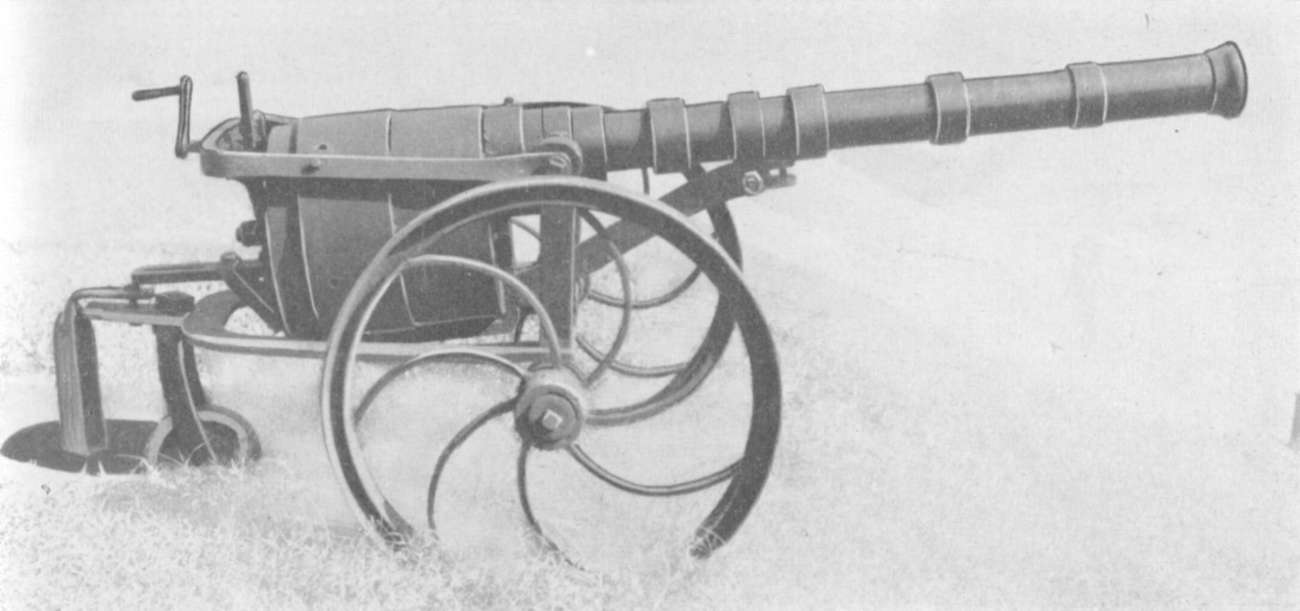
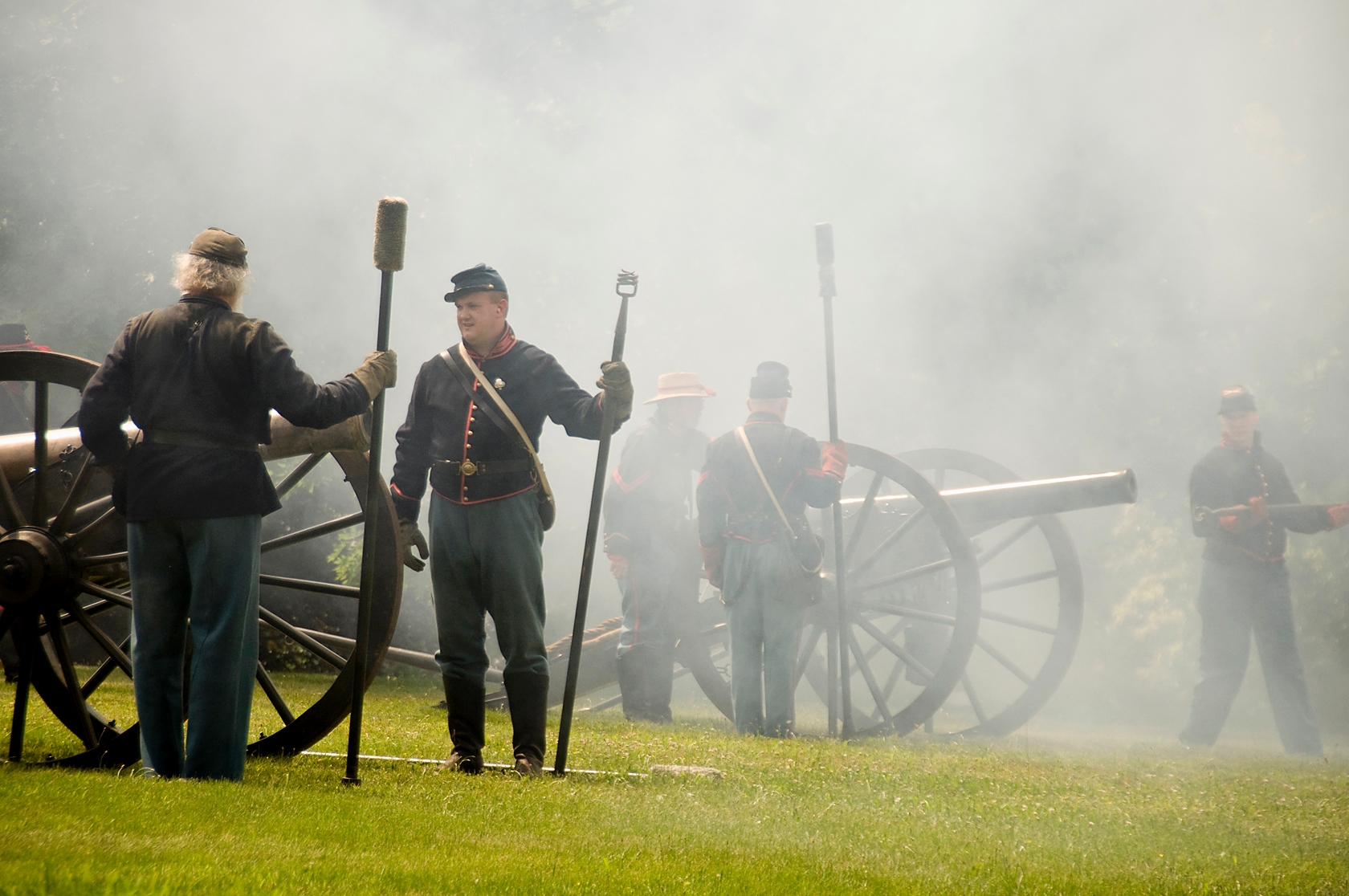
What happened next was a masterclass in desperate courage. Working alone, the 15-year-old began loading and firing canister rounds—artillery's equivalent of a massive shotgun blast.
Each canister contained dozens of metal balls that spread out like deadly hail when fired. At point-blank range, the effect was devastating. Confederate soldiers advancing through the fog walked into walls of metal that cut down entire ranks.
The boy worked with mechanical precision, loading charge after charge despite the cannon's brutal recoil and the smoke that burned his eyes. He was buying precious time for the scattered Union forces to regroup, though he likely didn't realize it in those desperate moments.
Sheridan's Famous Ride and the Forgotten Hero
Meanwhile, General Philip Sheridan was making his legendary ride from Winchester, rallying fleeing Union soldiers with his presence and determination. His dramatic arrival would turn the tide of battle and secure a crucial victory for the North.
History remembers Sheridan's ride in poems and paintings. What it largely forgot was the teenage gunner whose solo stand helped hold the line until the general could work his magic.
By the time reinforcements arrived, the boy had fired dozens of rounds and littered the ground before his position with Confederate casualties. His actions had helped prevent a complete rout during those critical early hours.
Lost Papers, Lost Recognition
The chaos of war often produces bureaucratic confusion, and this case was no different. Military records listed the boy as a private, despite his actual status as an unofficial laborer. His service papers disappeared into the vast archives of the War Department.
For decades, his story remained buried in dusty files, known only to a few surviving witnesses who gradually passed away. Like many unsung heroes, his courage went largely unrecognized by official channels.
The Army's record-keeping wasn't equipped to handle the reality of a 15-year-old civilian who had performed the duties of a trained artilleryman under fire.
Rediscovering America's Youngest Artillery Hero
Historical researchers eventually pieced together his story through regimental histories, pension records, and the scattered testimonies of survivors. What emerged was a portrait of extraordinary courage under impossible circumstances.
His stand at Cedar Creek represents something profound about American military history—the idea that heroism can come from the most unexpected sources. Young heroes have always found ways to rise to impossible challenges when their moment comes.
The boy's actions that foggy morning helped preserve the Union's momentum in the Shenandoah Valley, contributing to the eventual Confederate surrender at Appomattox just six months later.
Stories like his remind us that history's most crucial moments often depend on ordinary people doing extraordinary things when everything seems lost. What forgotten heroes from your own family's military history deserve to be remembered? Share their stories in the comments below—every act of courage deserves to be preserved for future generations.