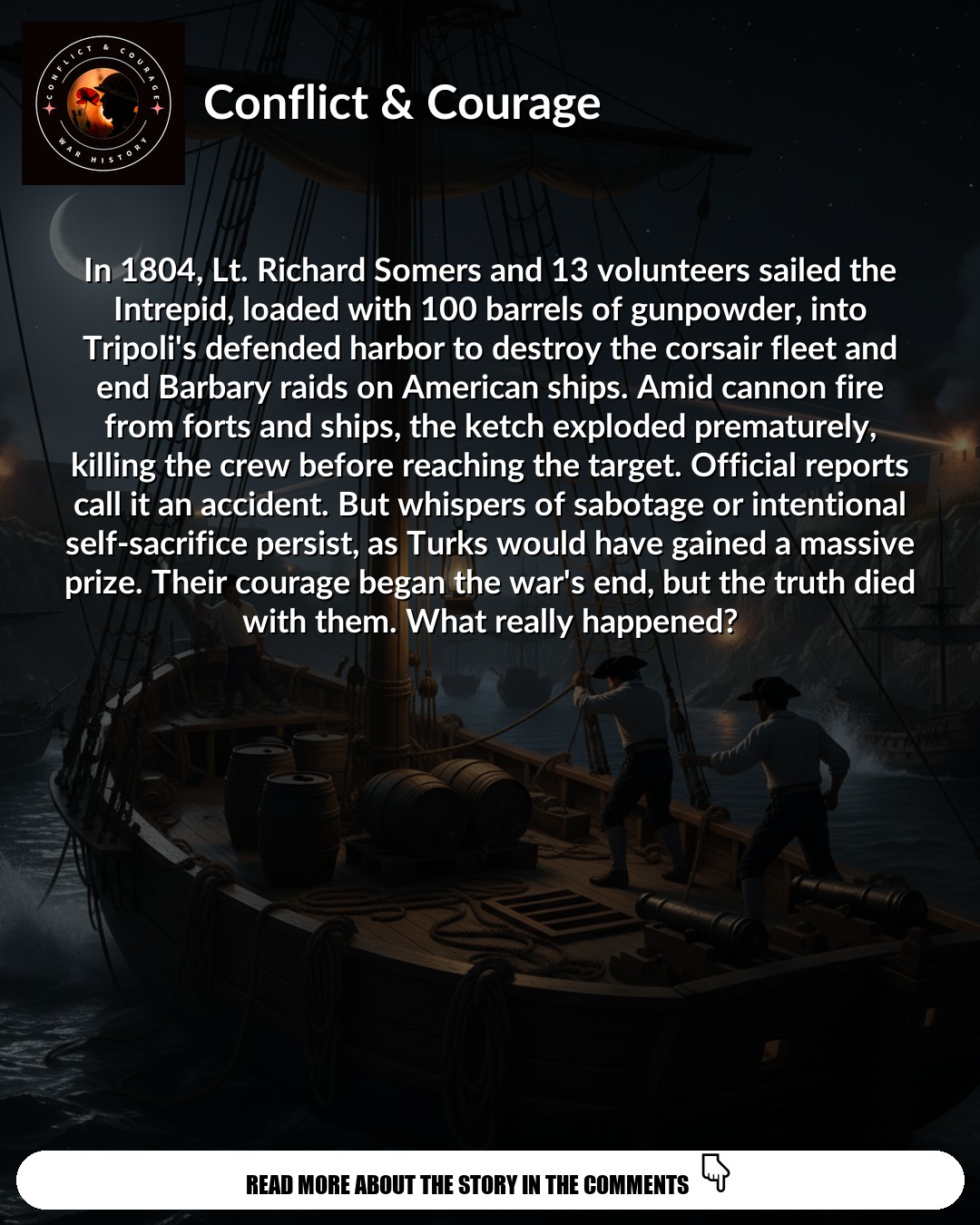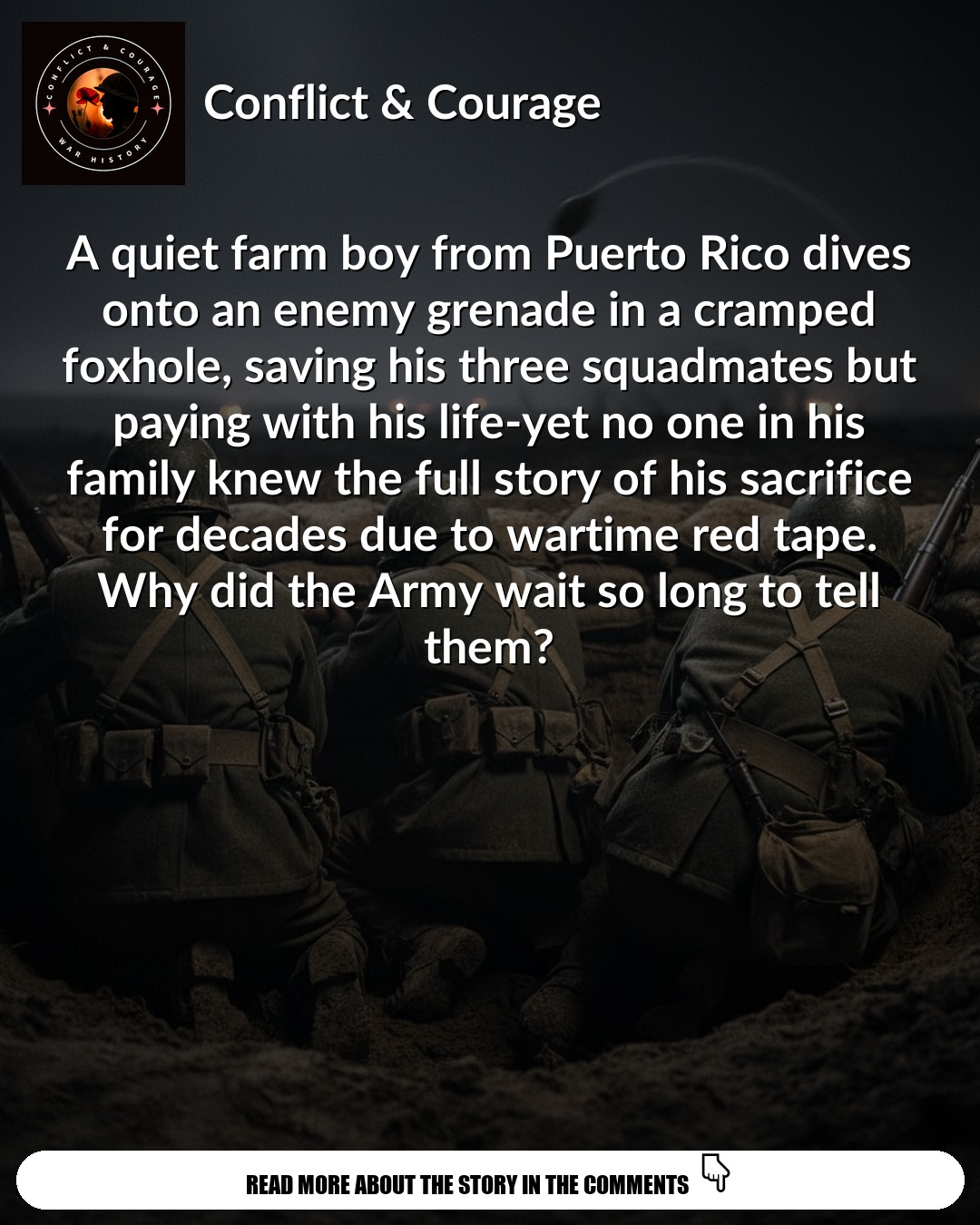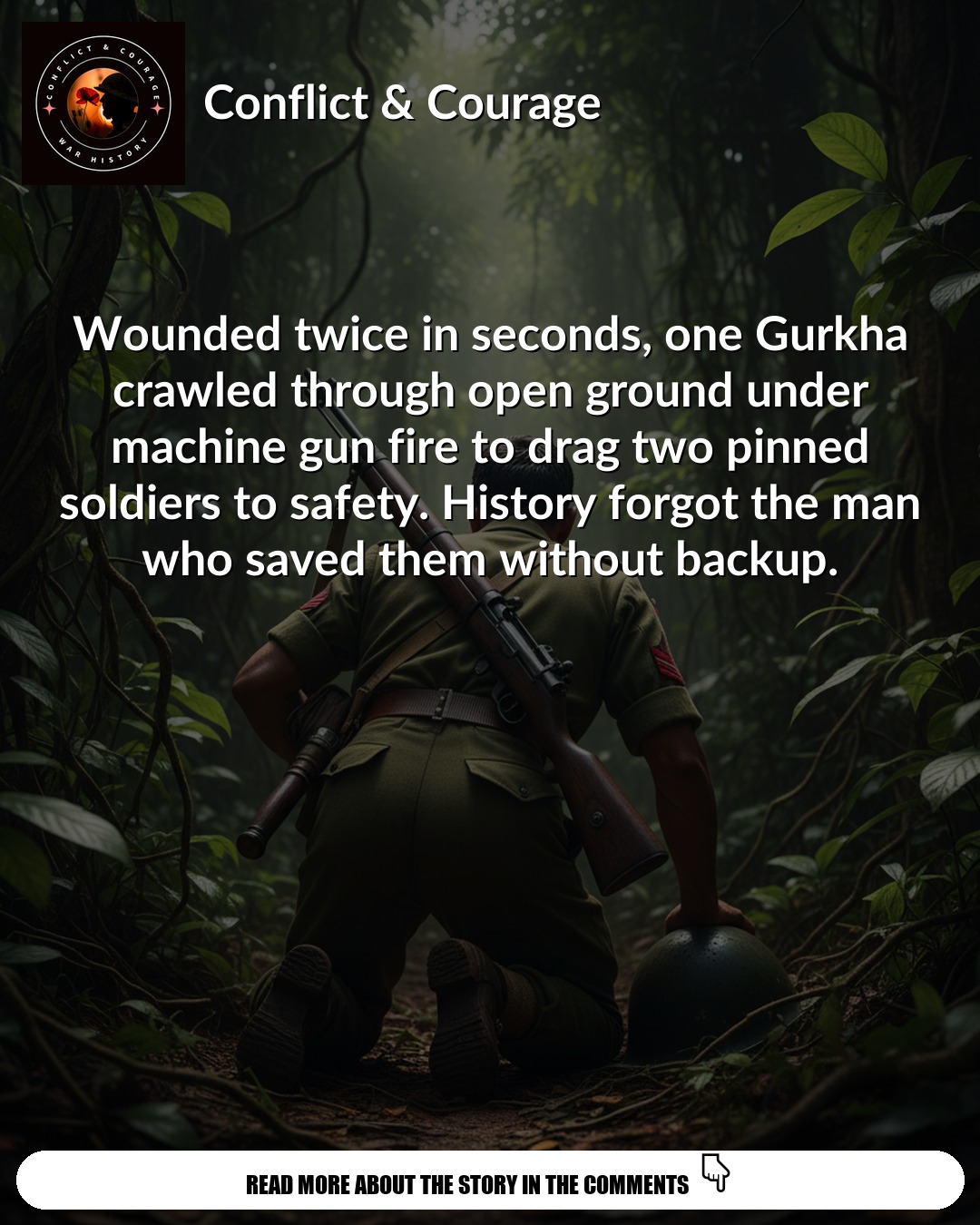
Sometimes the most extraordinary acts of courage hide behind the most ordinary words. Military medal citations, with their formal language and measured prose, tell us what happened — but rarely capture the brutal reality of how it happened. They speak of "gallantry under fire" and "heroic actions," sanitizing moments when ordinary people transcended human limitations to save lives.
This is the story of one such medal, and the untold courage that made it possible.
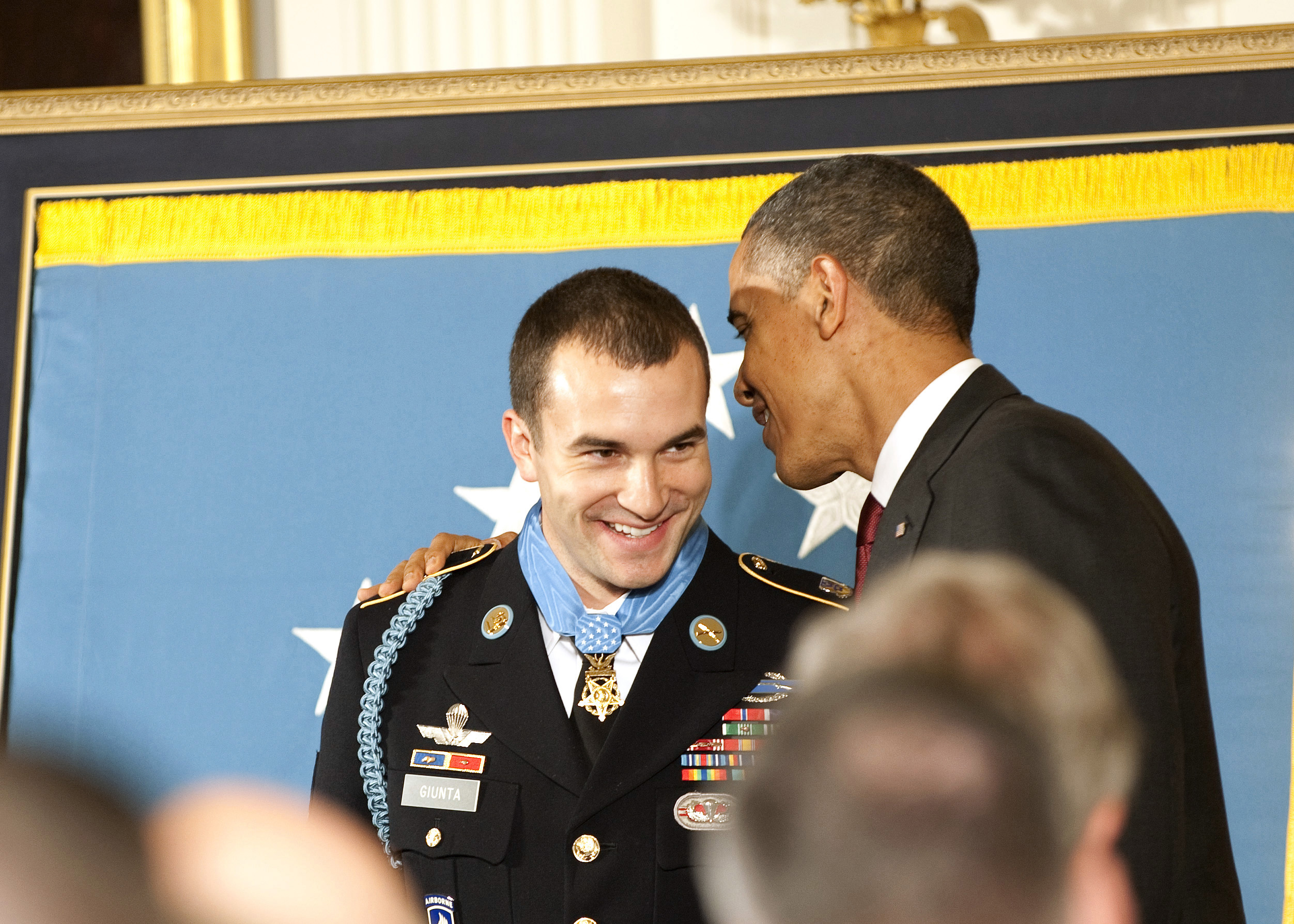
The Citation That Said Everything and Nothing
Military medal citations follow a time-honored formula. They describe the action, acknowledge the outcome, and use language that sounds impressive without being graphic. "Displayed conspicuous gallantry in rescuing two wounded comrades under enemy fire" — words that capture the essence while omitting the agony.
But what happens when the citation can't possibly contain the full truth? When the official record, bound by brevity and decorum, leaves out the very details that define true heroism?
These formal accounts serve their purpose, creating a permanent record of service and sacrifice. Yet they often mask the brutal battlefield realities that transform ordinary soldiers into legends. The blood, the pain, the impossible odds — these elements rarely make it past the military's editing process.
When the Grenade Changed Everything
The explosion came without warning, as they always do. One moment he was advancing with his unit, the next he was on the ground, his face torn by shrapnel and his leg shattered below the knee. The grenade had detonated close enough to leave him partially blinded and struggling to comprehend what had just happened.
Most soldiers would have stayed down, focused on their own survival. But through the ringing in his ears and the haze of shock, he heard something that changed everything — the cries of his wounded comrades, somewhere in the hostile terrain ahead.
Combat injuries don't pause for heroics. Blood loss weakens judgment, pain clouds thinking, and broken bones make movement excruciating. Yet somehow, in those crucial moments after the blast, training and character merged to create something extraordinary.
![[U.S. Army Medal of Honor with neck band]](https://pub-1a77e7db170042adb48eb7b660a445d6.r2.dev/pd-library/US_Army_Medal_of_Honor_with_neck_band_7e463d597a.jpg)
Alone Against the Odds
With his unit scattered and enemy forces still active in the area, he faced a choice that would define the rest of his life. He could wait for help, tend his wounds, and hope his comrades would survive long enough for rescue. Or he could move forward, alone and badly injured, into uncertain danger.
The shattered leg made every step a deliberation between duty and survival. Dragging himself forward, using his rifle as a makeshift crutch, he pushed beyond what medical textbooks say the human body can endure. Adrenaline helped, but willpower carried him when adrenaline failed.
This is where battlefield courage transcends normal understanding. It's not the absence of fear or pain — it's the decision to act despite both, when every instinct screams for self-preservation.
The Rescue That Defied Logic
Finding his wounded comrades was only the beginning. One had taken multiple hits and was losing consciousness. The other, though alert, couldn't walk. The tactical situation was a nightmare — open ground, limited cover, and enemy forces that could return at any moment.
With one functioning leg and compromised vision, he had to devise a way to move two men who couldn't move themselves. The first trip required dragging one soldier nearly 200 meters to relative safety. Then, ignoring his own deteriorating condition, he made the return journey for the second man.
Each movement sent waves of pain through his shattered leg. Each pause to rest risked discovery by enemy patrols. Yet he persisted, one agonizing meter at a time, until both men were safe. Similar acts of extraordinary courage under fire remind us that heroes aren't born — they're forged in moments when giving up would be easier than going on.
What the Medal Couldn't Capture
The medal citation mentioned his injuries in passing, a brief acknowledgment of wounds sustained in combat. It couldn't describe the months of recovery that followed, the surgeries required to save his leg, or the phantom pain that would visit him for decades.
Military families know this reality well. They see the medals and citations, but they also witness the nightmares, the physical limitations, and the quiet moments when their loved ones relive battles that officially ended years ago.
The psychological impact often proves more challenging than physical wounds. Survivor's guilt, combat stress, and the burden of being called a hero when you remember feeling terrified — these invisible wounds rarely appear in official accounts.
The True Measure of Courage
Real courage isn't the absence of fear — it's the triumph of duty over terror, of love for comrades over self-preservation. It's the split-second decision to crawl toward danger when every survival instinct demands retreat.
This gap between public perception and battlefield reality shapes how we understand military service. The medals and ceremonies honor the outcome, but they can't fully capture the human cost. Every decorated veteran carries stories that exceed their citations' ability to tell.
What transforms ordinary people into extraordinary heroes isn't superhuman strength or fearlessness. It's the moment when character reveals itself under ultimate pressure, when someone chooses others' welfare over their own survival.
Remembering the Whole Story
These untold details matter because they reveal the true nature of military courage. Future generations need to understand that heroism isn't clean or easy — it's messy, painful, and often leaves lasting scars on those brave enough to act when action seems impossible.
Modern veterans facing their own battles with physical and psychological wounds can find strength in these complete stories. They show that struggle doesn't diminish heroism — it defines it.
The medal told half the story, but the whole story tells us something more important: that ordinary people, faced with extraordinary circumstances, can achieve the impossible when love for others outweighs fear for themselves.
What untold stories of courage have touched your family's military service? Share your thoughts below, and help us preserve these complete accounts of sacrifice and heroism for future generations who need to understand the real cost of freedom.