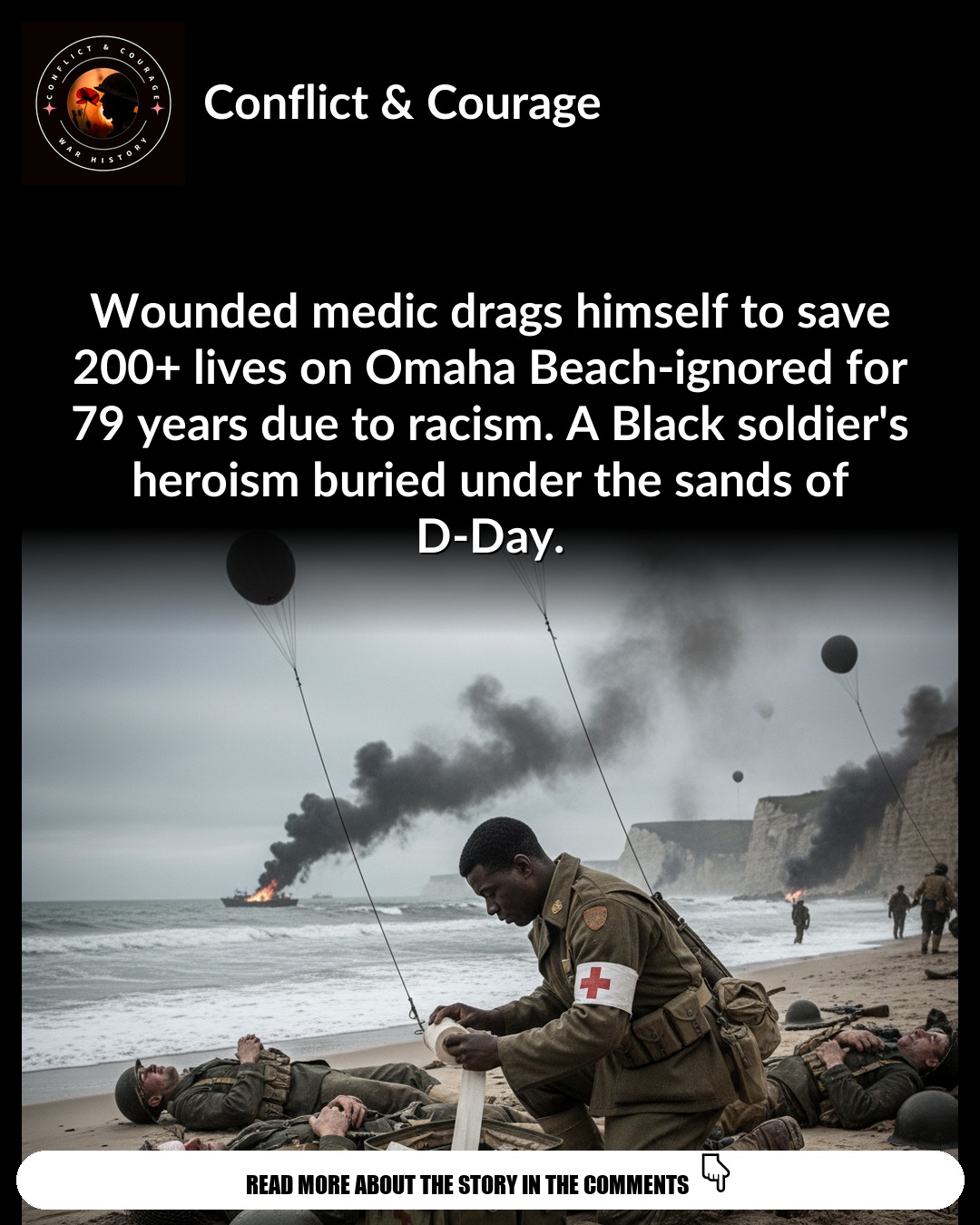
In the pantheon of D-Day heroes, certain names echo through history. But for nearly eight decades, one extraordinary story remained buried beneath bureaucracy and prejudice — the tale of a Black medic who saved over 200 lives on Omaha Beach's blood-soaked sand while ignoring his own grievous wounds.
His courage under fire rivaled any Medal of Honor recipient. Yet his name was forgotten, his valor unrecognized, his sacrifice erased from the official record. Until now.
The Unsung Hero of Omaha's Hell
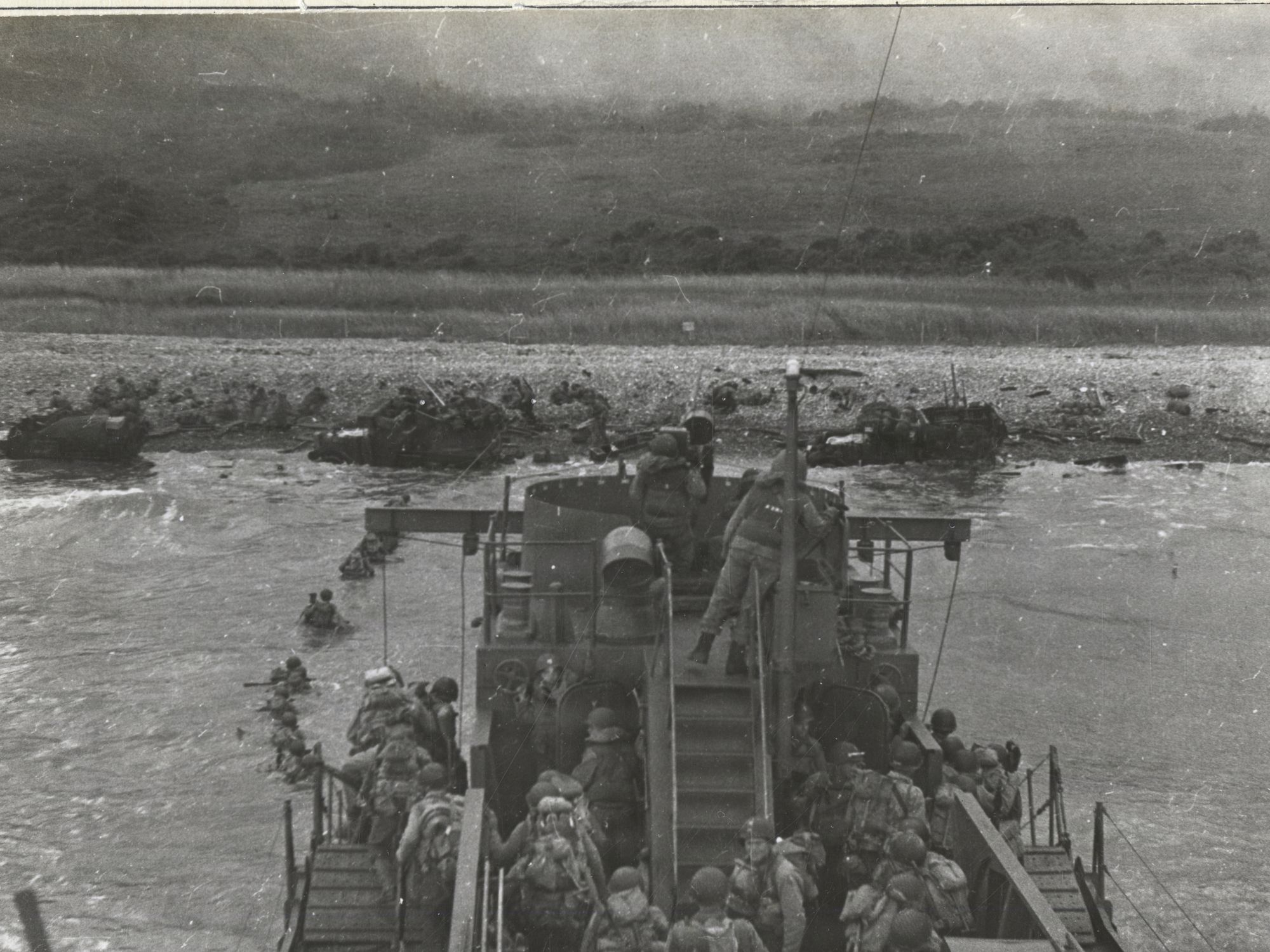
June 6, 1944, dawned gray and forbidding over the English Channel. As Allied forces approached Normandy's fortified coastline, Private First Class Waverly Woodson Jr. prepared for what would become the longest, bloodiest day of his young life.
While history remembers the dramatic stories of paratroopers like John Steele hanging from the church tower at Sainte-Mère-Église, Woodson's tale of extraordinary heroism remained buried in classified files and fading memories. His story deserved to stand alongside any D-Day legend.
The 20-year-old medic from West Philadelphia would soon face the ultimate test of courage — treating hundreds of wounded soldiers while under constant enemy fire, all while bleeding from his own severe injuries.
When Hell Erupted on Omaha Beach
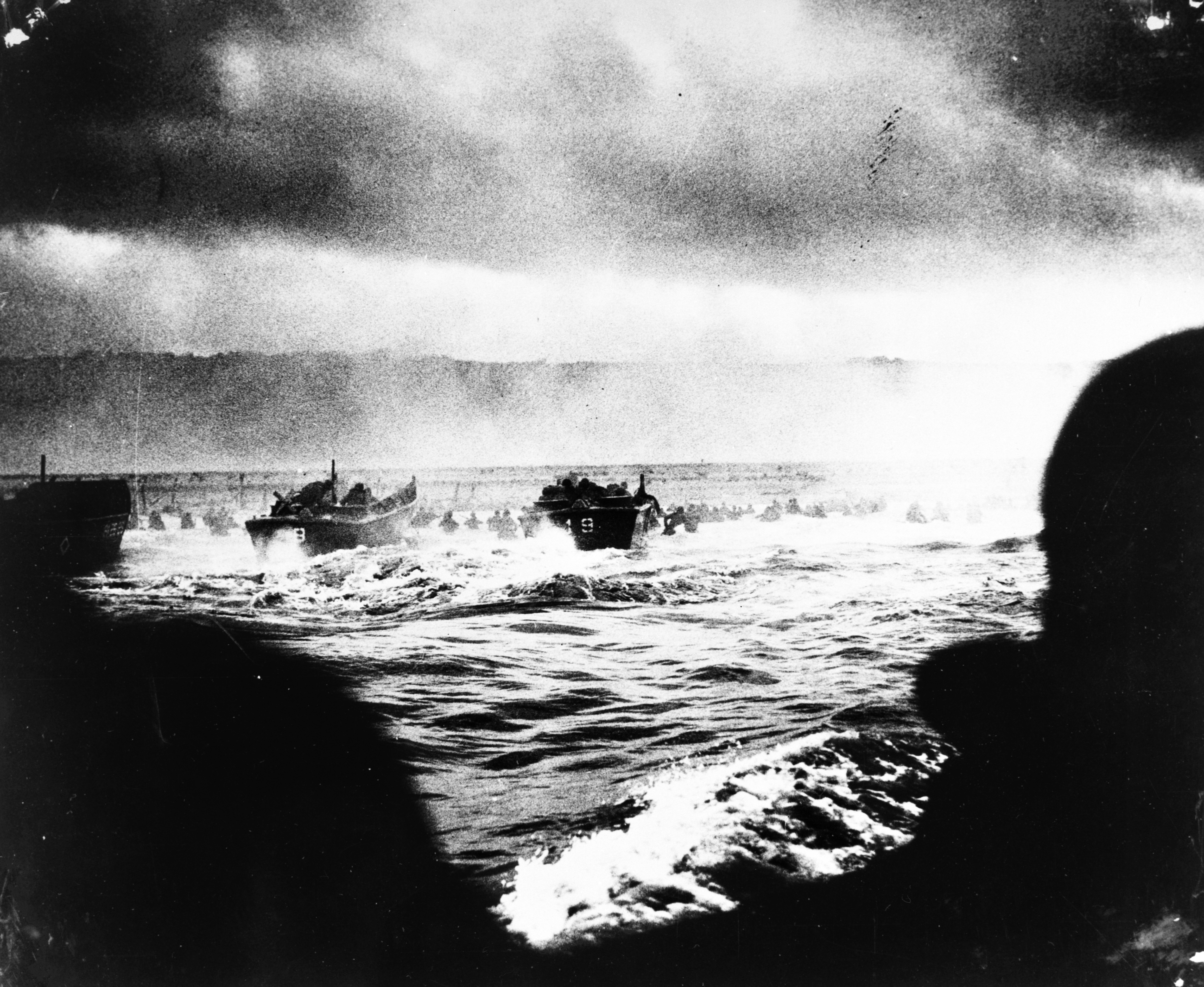
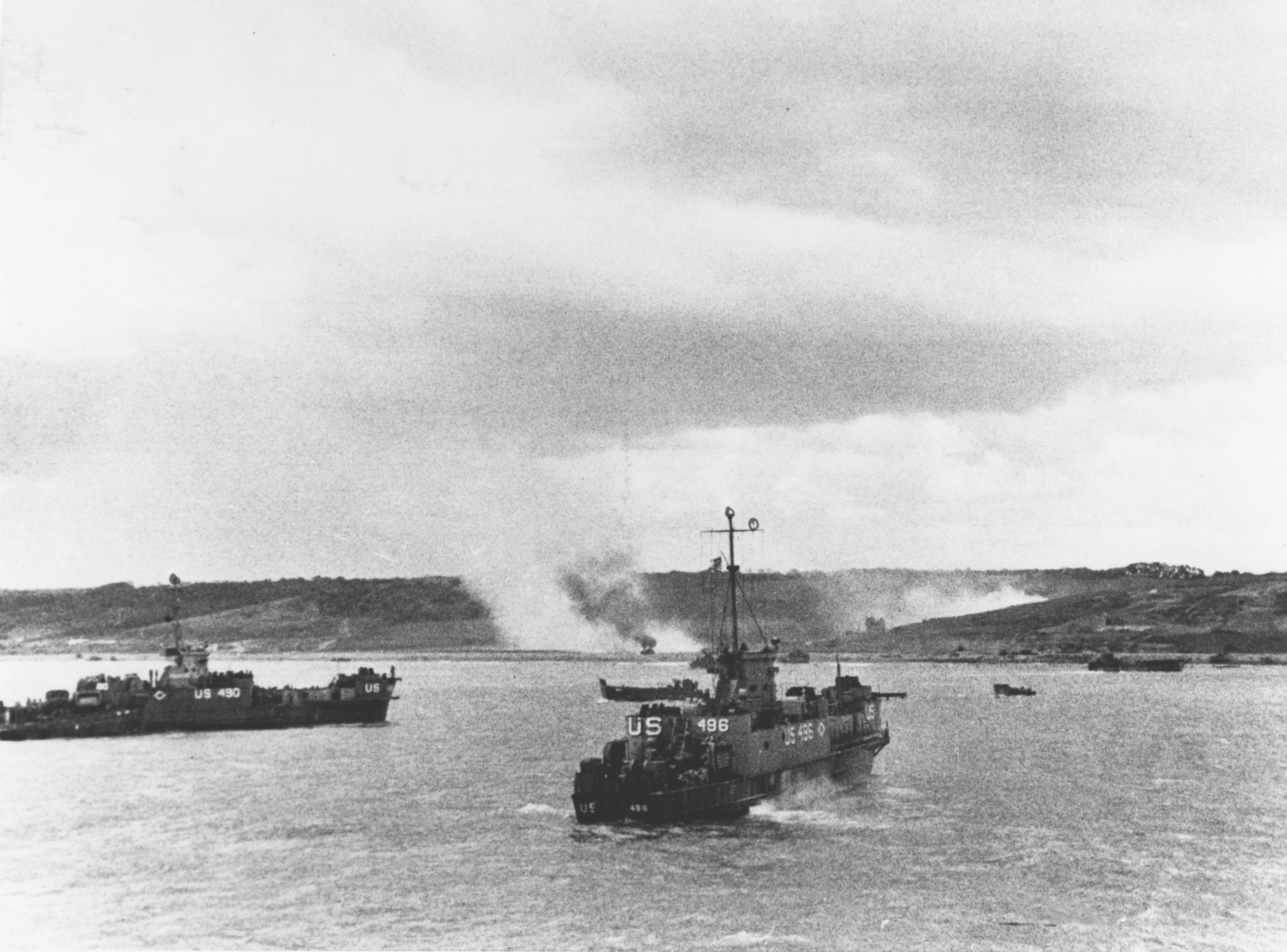
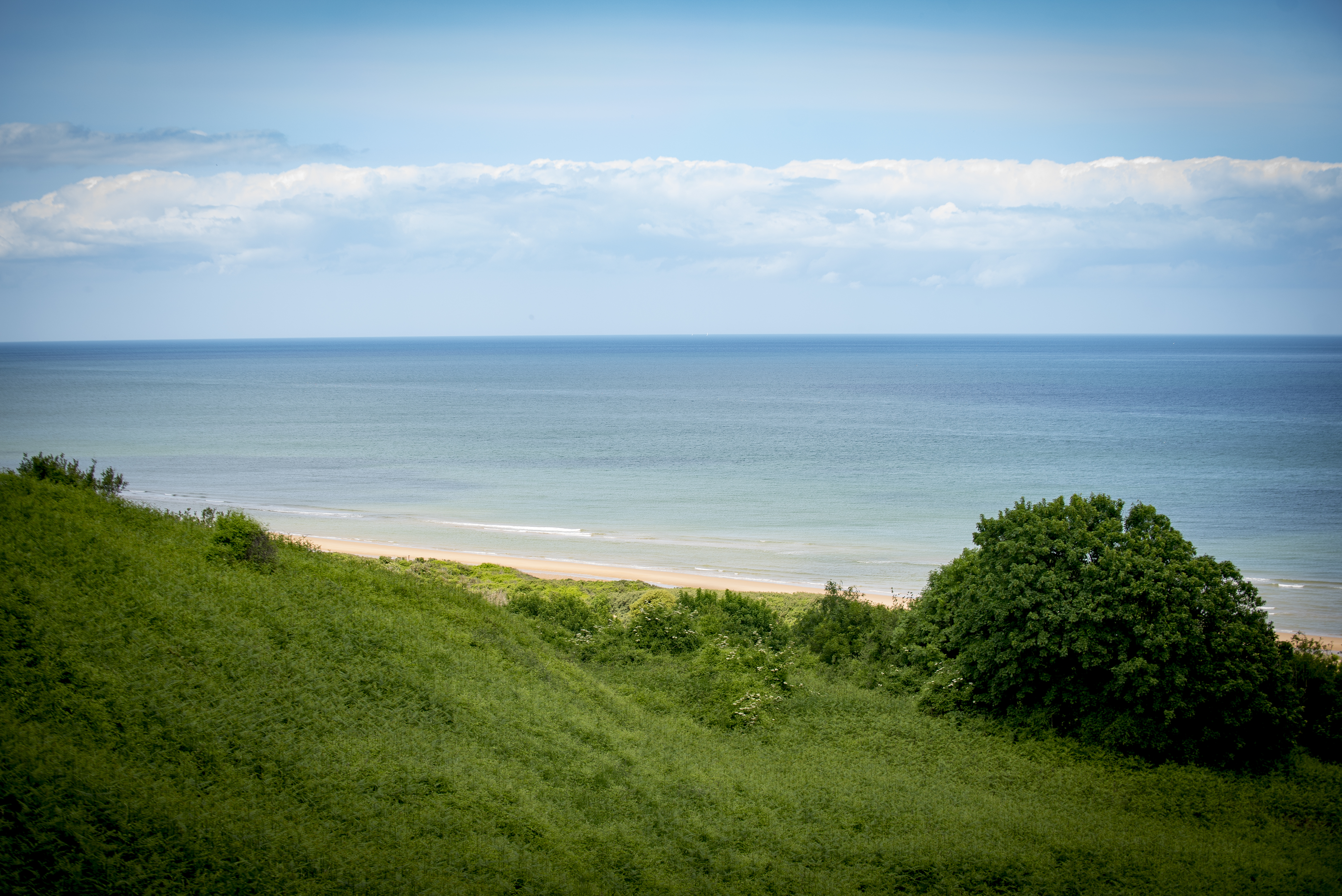
Omaha Beach earned its nickname as the "bloodiest beach" within minutes of H-Hour. German defenders, positioned on towering bluffs, commanded perfect fields of fire across the exposed shoreline. Machine gun nests, mortars, and artillery pieces turned the landing zone into a killing field.
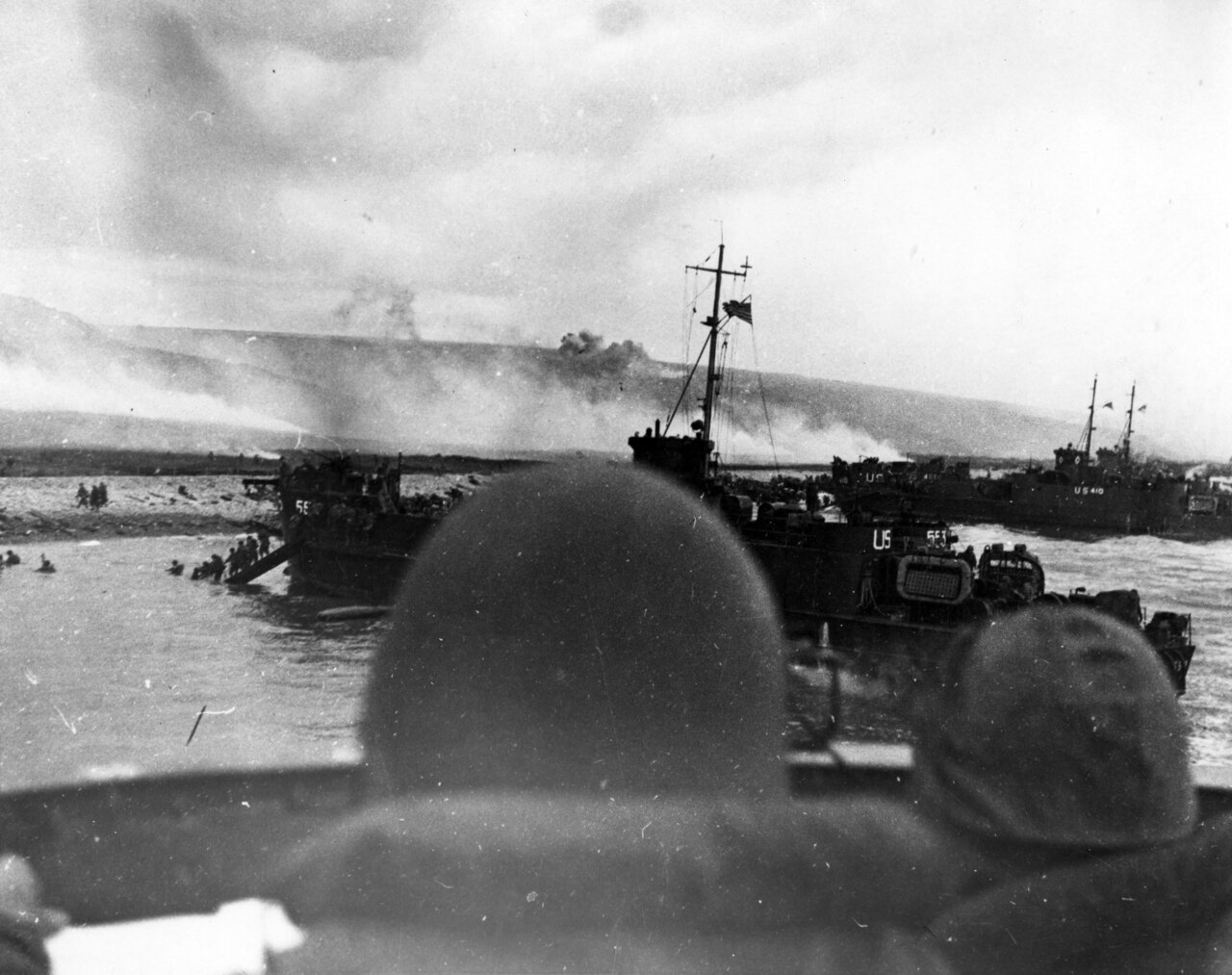
The first waves of American troops faced a nightmare scenario. Landing craft disgorged soldiers directly into interlocking fire patterns designed to maximize casualties. Men fell by the dozens before reaching dry sand.
Unlike the more successful landings at Utah Beach, where heroes like those who destroyed the gun battery made decisive differences, Omaha's defenders held their positions for hours. The beach became a charnel house of the wounded and dying.
For medics like Woodson, assigned to the segregated 320th Barrage Balloon Battalion, the scene meant one thing: get to work, no matter the cost.
A Medic's Courage Under Fire
Woodson's landing craft hit a mine before reaching shore, throwing him into the churning waters. Shrapnel tore through his back and groin, while machine gun fire peppered the surf around him. Most men would have sought cover and medical attention.
Instead, Woodson dragged himself onto the beach and immediately began treating wounded soldiers. Despite blood streaming from his own wounds, he established an aid station in the open, with German snipers actively targeting medical personnel.
The young medic had trained for this moment, but nothing could have prepared him for the reality of Omaha Beach. Enemy fire was so intense that traditional medical evacuation proved impossible. Wounded men lay scattered across the sand, crying for help that seemed impossible to deliver.
Woodson made a decision that would define his legacy: he would bring medical care to the beach itself, regardless of personal risk.
200 Lives Saved in the Face of Death
For the next 30 hours, Woodson worked without rest. Despite his groin wound making every step agony, he crawled and stumbled across the beach, treating soldier after soldier. His aid station became a beacon of hope in the chaos.
Witnesses later testified to extraordinary acts of courage. When German snipers deliberately targeted him, Woodson continued working. When artillery shells exploded nearby, covering him in sand and debris, he kept treating patients. When his own bandages became soaked with blood, he pressed on.
The numbers tell the story: over 200 wounded soldiers received medical care from Woodson's hands that day. He performed amputations, administered morphine, stopped bleeding, and provided comfort to dying men — all while under constant fire.
His makeshift aid station saved countless lives that would otherwise have been lost to blood loss or shock during those critical first hours on Omaha Beach.
The Color Barrier in WWII Medicine
Woodson's heroism occurred within the context of a segregated military. Black servicemen faced institutional racism that limited their roles and recognition. Most served in support units rather than combat positions, regardless of their courage or capabilities.
The 320th Barrage Balloon Battalion exemplified this segregation. Despite their vital mission of protecting the invasion fleet from air attack, these Black soldiers remained largely invisible in official accounts of D-Day.
This institutional prejudice extended to award recommendations. Many Black heroes went unrecognized, their valor documented but not celebrated. Like other forgotten heroes such as Captain Donald Keith in Vietnam, Woodson's story fell victim to systemic bias.
The irony was stark: while fighting for freedom in Europe, these men faced discrimination from their own military.
79 Years of Forgotten Heroism
For decades, Woodson's story survived only in the memories of survivors and scattered military records. Despite multiple witness statements and documentation of his heroic actions, no major recognition followed the war.
The fight for recognition began in earnest when historians and family members started investigating overlooked D-Day heroes. Archival research uncovered witness testimonies, medical records, and unit histories that painted a clear picture of extraordinary valor.
Bureaucratic obstacles and lost paperwork complicated the process. Unlike other forgotten heroes who eventually received recognition, Woodson's case required decades of persistent advocacy and historical detective work.
The evidence was overwhelming, but changing historical narratives takes time — especially when confronting uncomfortable truths about past prejudice.
Finally Getting His Due
In 2023, nearly eight decades after his heroic actions, the Army finally recognized Woodson's extraordinary courage. The long-overdue acknowledgment represents more than individual recognition — it symbolizes America's ongoing reckoning with its complex military history.
For Woodson's family and community, the recognition validated what they had always known: that courage knows no color, and heroism deserves remembrance regardless of the hero's background.
His story joins a growing roster of previously overlooked heroes whose valor is finally receiving proper acknowledgment. Each recognition helps complete the fuller, more accurate picture of American military heroism.
The young medic who saved 200 lives on D-Day's bloodiest beach finally has his place in history — where it should have been all along.
What other forgotten heroes from D-Day and beyond deserve our remembrance? Share your thoughts about these overlooked stories of courage, and help us honor the complete legacy of those who served with such extraordinary valor.