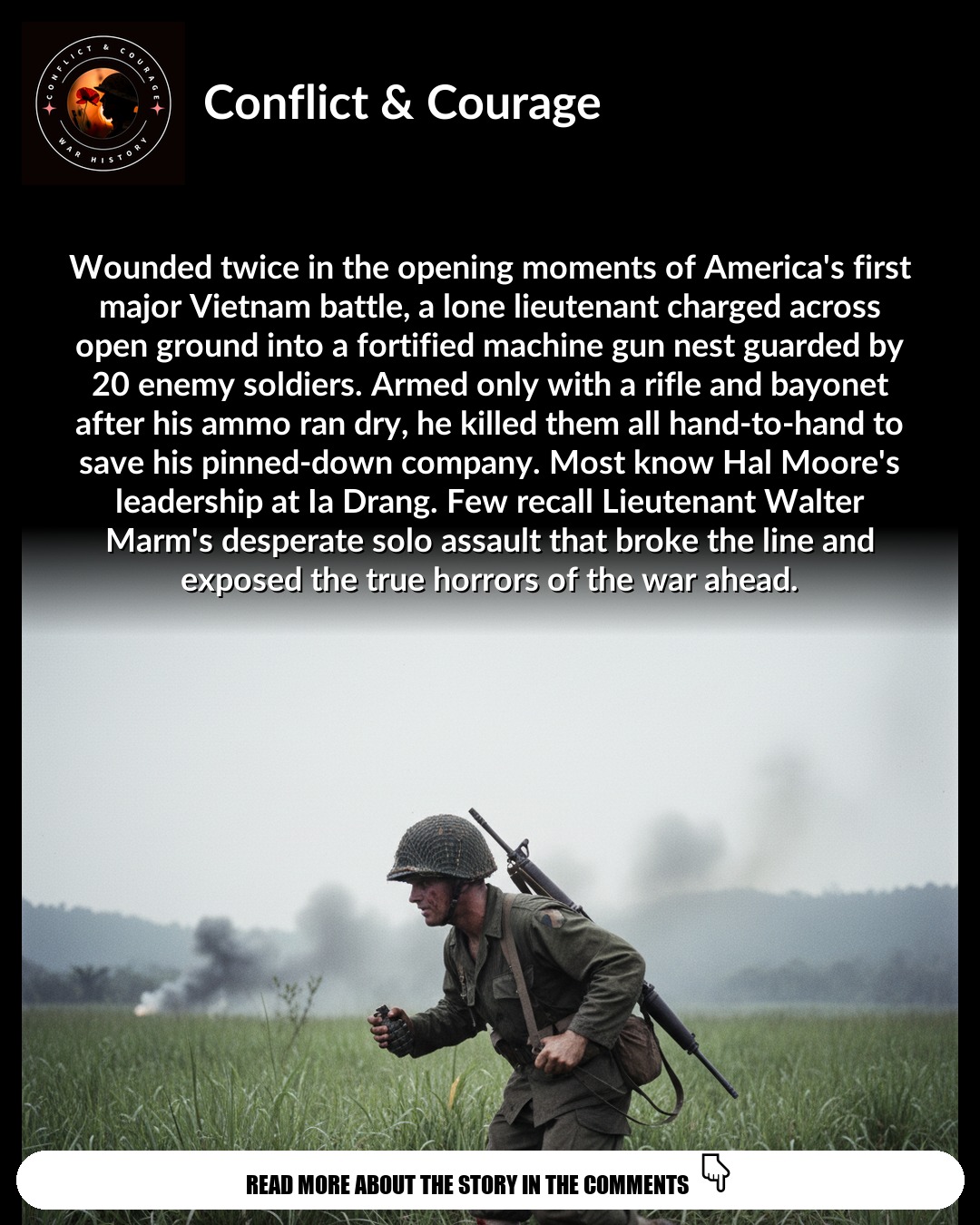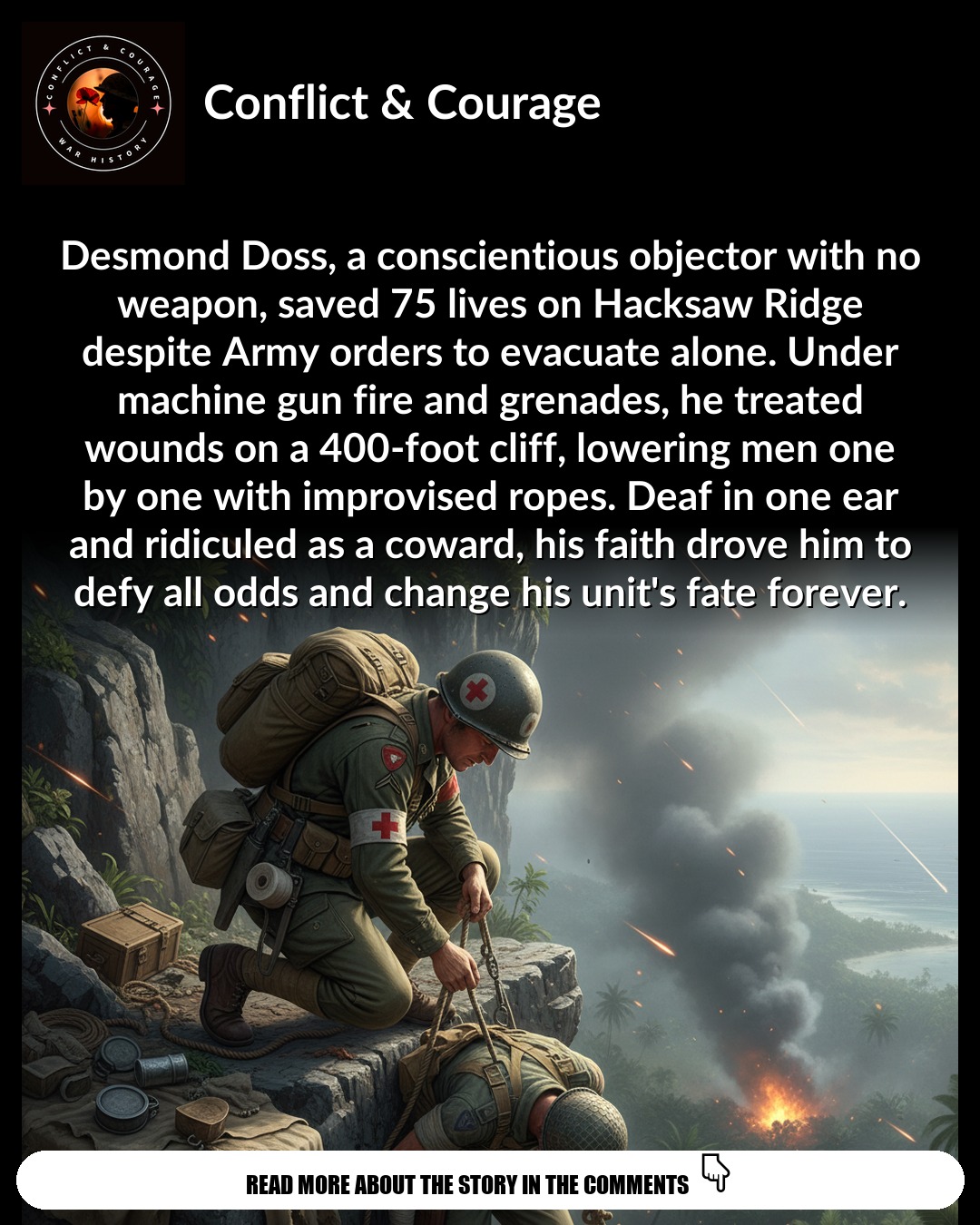
In the chaos of World War II's bloodiest Pacific battle, one man stood apart—not for his weapon, but for his unwavering refusal to carry one. Desmond Doss became the first conscientious objector to receive the Medal of Honor, proving that courage comes in many forms and that sometimes the greatest warriors are those who save lives rather than take them.
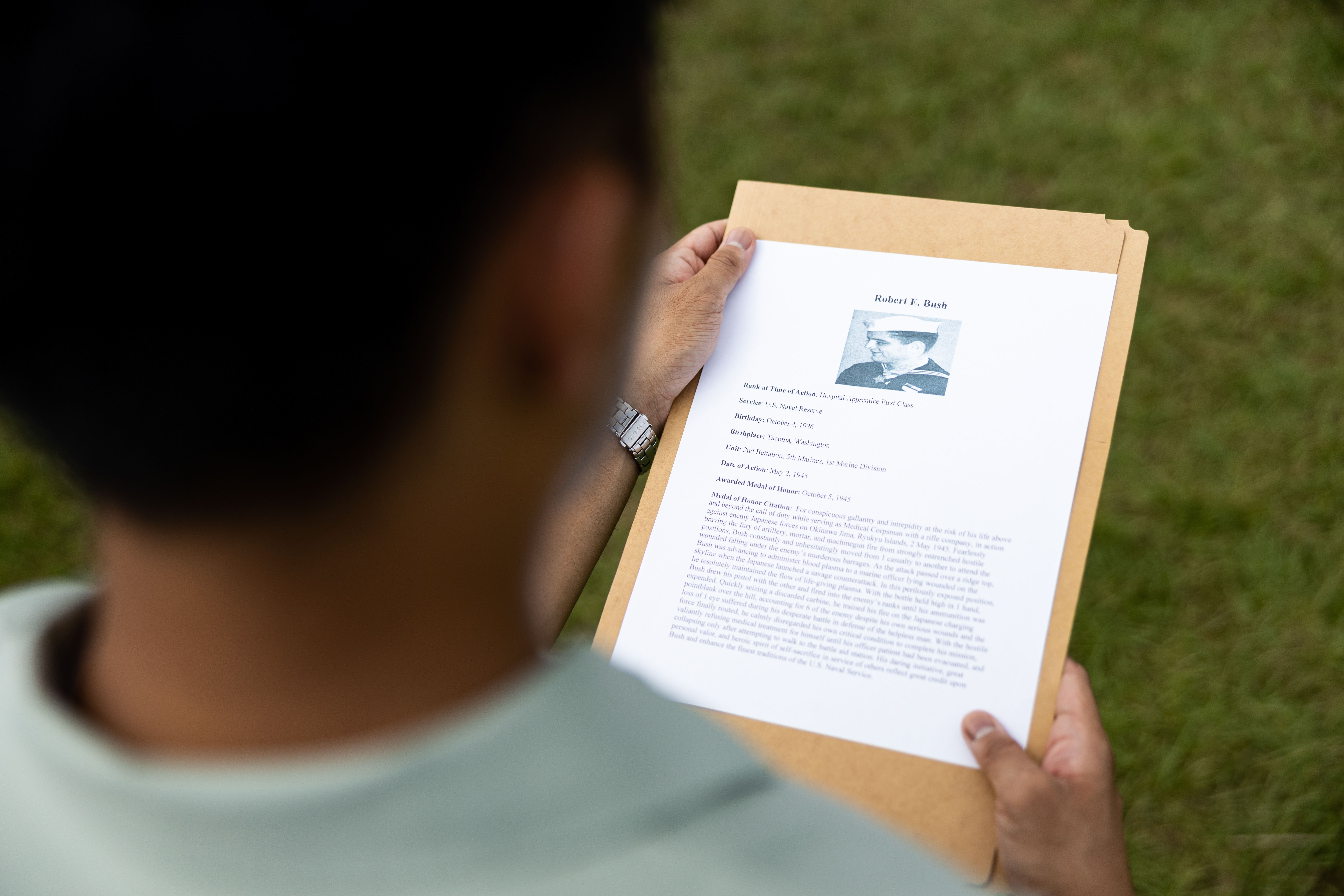
The Unlikely Warrior: Desmond Doss's Path to War
Growing up in rural Virginia during the Great Depression, Desmond Doss was shaped by his Seventh-day Adventist faith and a deeply personal encounter with violence. His father, a World War I veteran, struggled with alcoholism and violent outbursts that would forever cement young Desmond's commitment to non-violence.
The pivotal moment came when Doss witnessed his father threatening his uncle with a gun during a family dispute. As the terrified boy watched, he made a promise to himself and to God that he would never take a human life. This conviction would define every decision that followed.
Despite being classified as "unfit for combat" due to partial deafness, Doss enlisted after Pearl Harbor. He wanted to serve his country, but on his own terms—as a medic who would save lives, not end them. His fellow soldiers initially viewed him as a coward, subjecting him to ridicule and harassment for refusing to carry weapons or train on Saturdays.
![[U.S. Army Medal of Honor with neck band]](https://pub-1a77e7db170042adb48eb7b660a445d6.r2.dev/pd-library/US_Army_Medal_of_Honor_with_neck_band_7e463d597a.jpg)
Hell on Earth: The Battle for Okinawa
Operation Iceberg began on April 1, 1945, marking America's bloodiest Pacific campaign. Okinawa represented Japan's doorstep—just 350 miles from the home islands. Victory here would provide the launching point for the invasion of Japan itself.
The Japanese had transformed the island into a fortress, with elaborate underground tunnel networks and strategic high ground positions. Among these was the Maeda Escarpment, nicknamed "Hacksaw Ridge" by American forces—a 400-foot sheer cliff that dominated the surrounding landscape.
Kamikaze attacks intensified as desperate Japanese defenders fought with the ferocity of men protecting their homeland. Every yard forward cost American lives, and medics like Doss found themselves in constant demand as casualties mounted daily.
Armed Only with Faith: Doss's Medical Kit
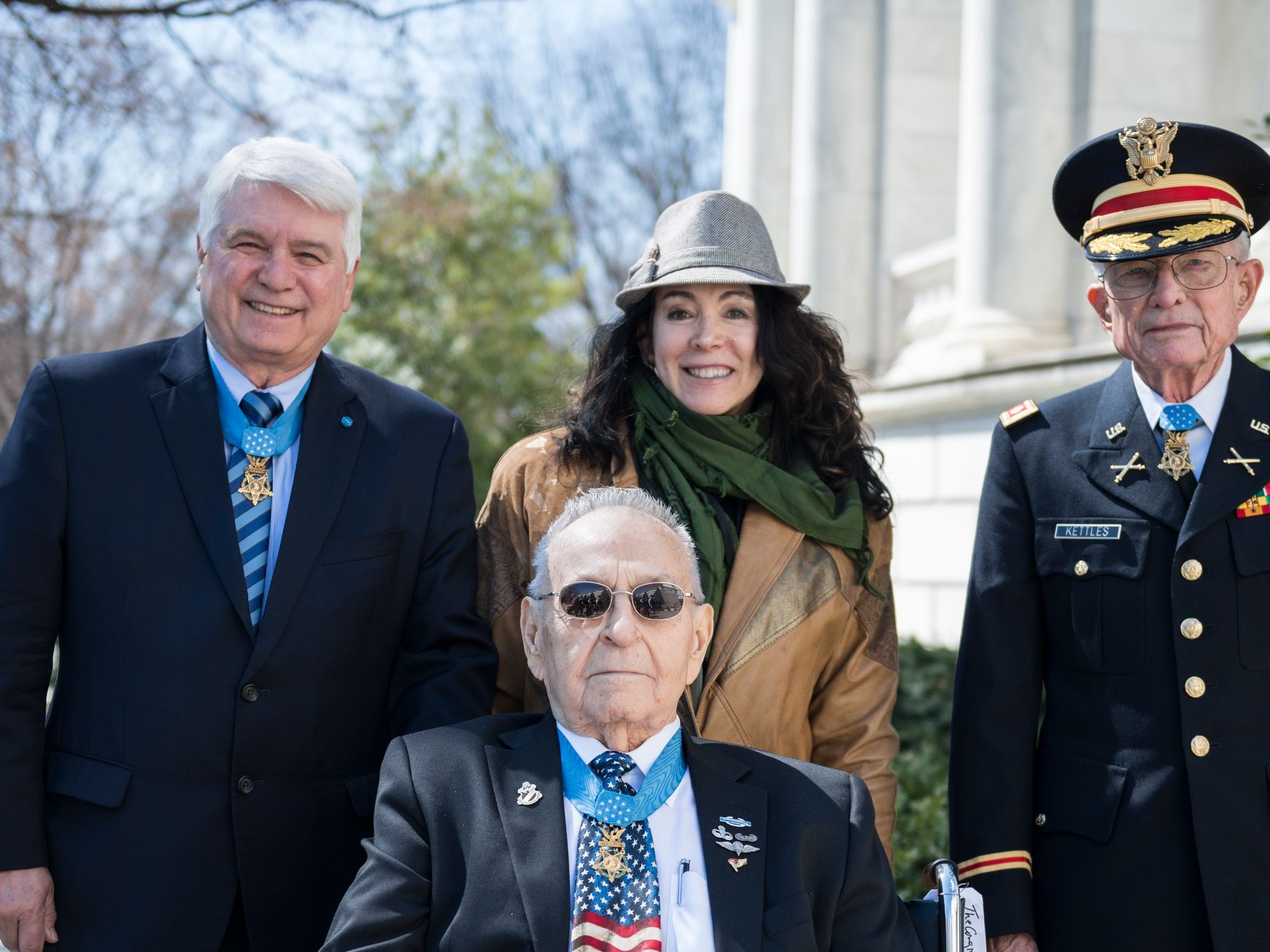
While other soldiers carried rifles, ammunition, and grenades, Doss went into battle with only his medic's supplies: bandages, morphine, sulfa powder, and an unshakeable faith. His refusal to carry weapons extended even to a knife—a decision that baffled his commanders and concerned his fellow soldiers.
What set Doss apart was his innovative rescue techniques. He developed an improvised rope sling system that would prove crucial at Hacksaw Ridge, practicing knots and rescue methods whenever possible. His religious training had prepared him mentally for the horrors of war, teaching him to find purpose in suffering and strength in service to others.
Under constant enemy fire, treating wounds required not just medical knowledge but extraordinary courage. Doss learned to work while bullets whistled overhead and shells exploded nearby, never knowing if the next moment might be his last.
The Miracle at Hacksaw Ridge: 75 Lives Saved
May 5, 1945, began like any other assault on the escarpment. American forces climbed the cliff face under heavy fire, only to find themselves pinned down by fierce Japanese resistance. As casualties mounted and the order came to retreat, most soldiers scrambled back down the cliff to safety.
Doss remained behind. While shells exploded around him and enemy fire raked the ridge, he moved from wounded soldier to wounded soldier. His famous prayer, "Lord, help me get one more," became his mantra as he worked through the night.
Using his rope sling system, Doss single-handedly lowered 75 wounded men down the cliff face to safety. Hour after hour, he continued his work while comrades below watched in amazement. Some testified later that they witnessed what could only be described as divine protection—bullets that should have found their mark somehow missed.
Fellow soldiers who had once mocked his beliefs now watched in awe as this unarmed medic performed what seemed impossible. His actions that day would become legend, inspiring a new respect for conscientious objectors throughout the military.
Beyond Hacksaw: Doss's Continued Heroism
Even after his heroics at Hacksaw Ridge, Doss continued to display extraordinary courage. Wounded by grenade shrapnel during another engagement, he refused evacuation until more severely wounded soldiers could be treated first.
In a final act of selflessness, he gave up his stretcher to a more critically injured soldier and crawled 300 yards to an aid station with a fractured arm and shrapnel embedded throughout his body. Along the way, he stopped to treat his own wounds and those of other soldiers he encountered.
The infection that followed nearly killed him, requiring months of recovery and leaving him with health challenges that would plague him for the rest of his life. Yet he never regretted his decision to serve as a medic rather than a combatant.
Medal of Honor: Recognition for the Impossible
On October 12, 1945, President Harry Truman personally presented Desmond Doss with the Medal of Honor, making him the first conscientious objector to receive America's highest military decoration. The ceremony was unprecedented—a president honoring a man who had never fired a shot in anger.
The testimonies from the 75 men whose lives he saved painted a picture of courage that defied conventional military thinking. Military leadership struggled to understand his motivations, but they could not argue with the results. Like the heroic actions of other medics who risked everything to save their comrades, Doss's story changed how the military viewed conscientious objectors forever.
His Medal of Honor citation spoke of "conspicuous gallantry and intrepidity" while noting his refusal to bear arms—language that acknowledged a new kind of battlefield heroism.
Legacy of Courage: Remembering Desmond Doss
After the war, Doss returned quietly to his life in rural Virginia, rarely speaking about his experiences. Decades of health struggles from war injuries and tuberculosis tested his faith, but never broke it. He remained humble about his wartime service, always crediting God for his survival and success.
The 2016 film "Hacksaw Ridge" introduced his story to new generations, sparking renewed interest in this unlikely hero. The movie, while taking some dramatic liberties, captured the essence of his courage and conviction.
Today, the Desmond Doss Museum preserves his legacy, reminding visitors that true courage doesn't always come from the barrel of a gun. His story resonates with modern audiences who struggle to understand how faith and patriotism can coexist with a commitment to non-violence.
Doss proved that heroism has many faces, and that sometimes the greatest strength comes not from what we're willing to destroy, but from what we're willing to sacrifice to preserve life itself.
What aspects of Desmond Doss's incredible story resonate most with you? Share your thoughts in the comments below, and don't forget to share this remarkable tale of courage with others who appreciate the extraordinary stories of ordinary heroes.