When the Tet Offensive exploded across South Vietnam on January 31, 1968, most Americans watched in shock from their living rooms. But in the ancient imperial city of Hue, a 30-year-old Marine captain named Jay Vargas was about to write one of the most extraordinary chapters in combat history.
What happened over the next seven days would prove that sometimes, in the fog of war, one man's courage can change everything.
The Young Captain Who Changed Everything
Captain Jay Vargas commanded Company G, 2nd Battalion, 4th Marines — a unit that would soon find itself at the epicenter of urban hell. At just 30 years old, this seasoned Marine officer faced odds that would have crushed most men's spirits before the first shot was fired.
His company of roughly 200 Marines stood against an estimated 10,000 North Vietnamese Army and Viet Cong forces who had seized control of Hue's ancient Citadel. The enemy had turned this UNESCO World Heritage site into a fortress, using centuries-old walls and traditional Vietnamese architecture as perfect defensive positions.
What made Vargas different wasn't just his tactical brilliance — it was his unwavering refusal to let his Marines down, no matter the personal cost.
Hue's Citadel: Where History Met Horror
The Imperial Citadel of Hue represented over 400 years of Vietnamese history, with its massive stone walls, ornate palaces, and maze-like courtyards. For the NVA, it was the perfect urban battleground — thick walls provided cover, narrow passages created killing fields, and the cultural significance made American forces hesitant to use heavy weapons.
The ancient fortress covered nearly six square kilometers, with countless buildings, gardens, and defensive positions. Every doorway could hide a sniper, every courtyard could become a trap, and every advance meant exposing Marines to crossfire from multiple directions.
The NVA had spent months preparing these positions, stockpiling ammunition and supplies while studying every angle of attack and retreat. They weren't just occupying the Citadel — they had transformed it into a modern fortress using ancient foundations.
Seven Days in Hell: The Siege Begins
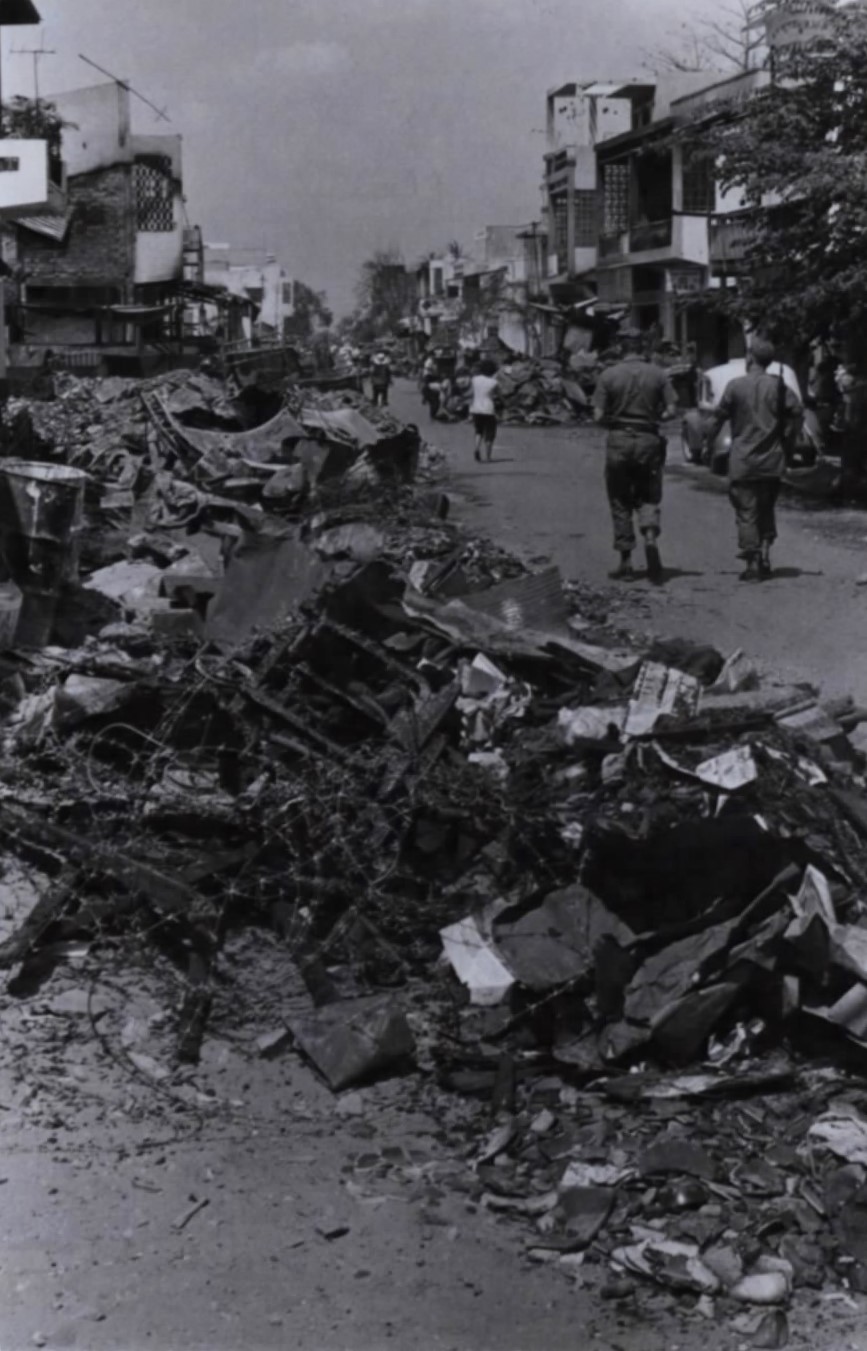
When Company G moved into the Citadel on February 12, 1968, they walked into what military historians now call some of the most intense urban combat of the Vietnam War. The narrow streets echoed with automatic weapons fire, and rocket-propelled grenades turned historic buildings into rubble-filled deathtraps.
House-to-house fighting meant clearing each building room by room, never knowing if the next door would reveal enemy soldiers or booby traps. The Marines had trained for jungle warfare, but Hue demanded skills more suited to World War II's European cities.
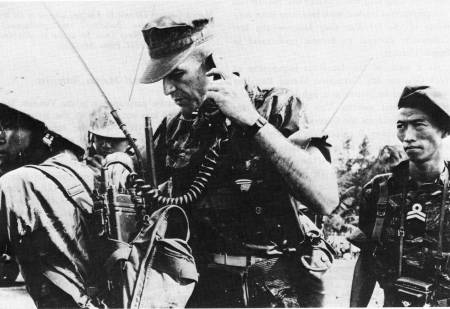
Communication became nearly impossible in the maze of stone buildings, and calling in air support risked hitting their own positions. Vargas and his Marines were essentially fighting blind, relying on instinct and training honed in countless smaller engagements.
Wounded but Unbroken: Vargas Takes Charge
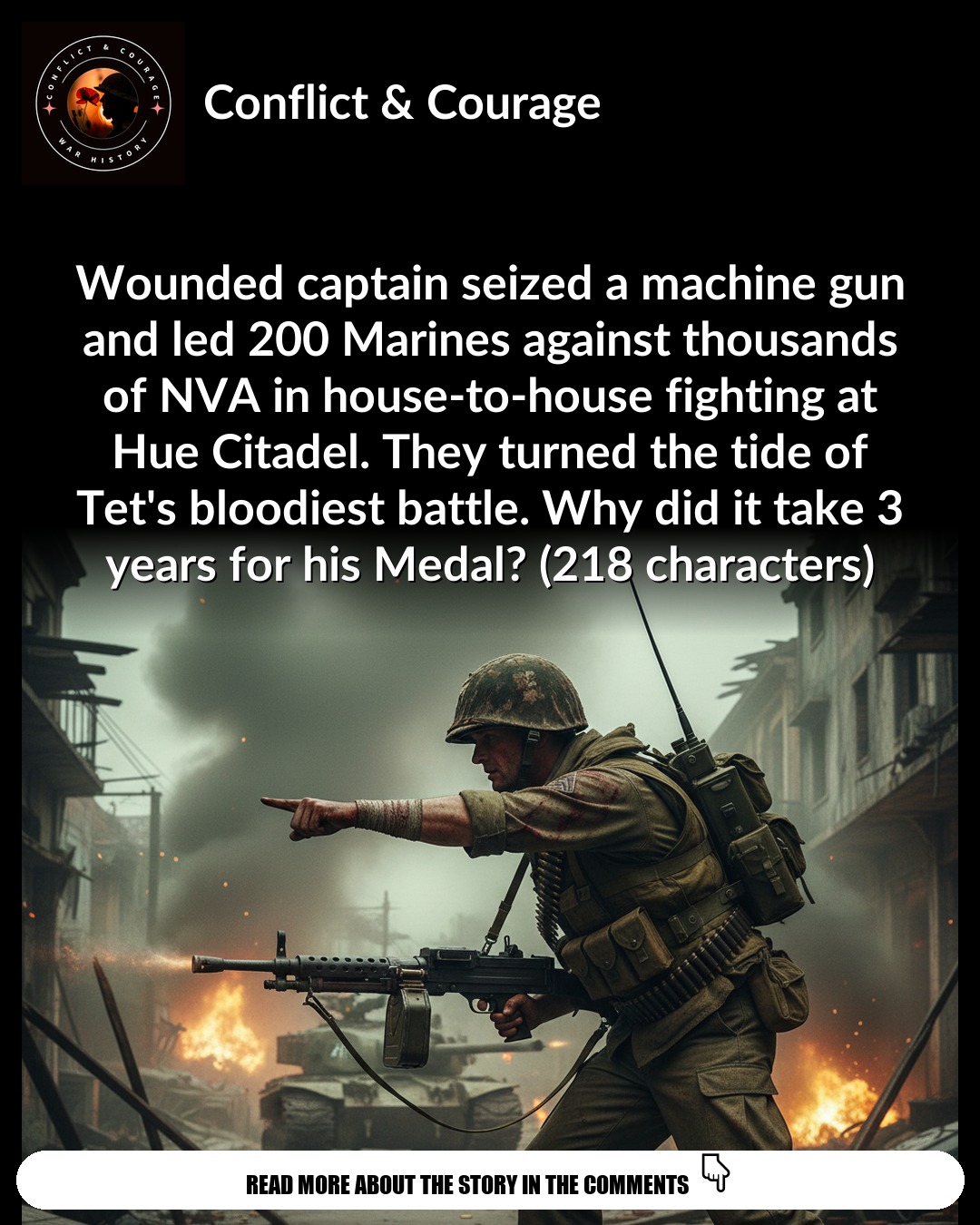
On February 18, during one of the fiercest firefights, Captain Vargas was wounded twice by enemy fire. Most officers would have pulled back to treat their injuries and reassess the situation. Instead, Vargas did something that would become legendary among Marines.
He grabbed a machine gun and charged directly toward the enemy positions. This wasn't reckless bravado — it was calculated leadership under fire, showing his Marines that their captain would never ask them to do something he wouldn't do himself.
Like Sgt Antolak's heroic stand against overwhelming odds, Vargas understood that sometimes leadership means putting yourself directly in harm's way. His Marines watched their wounded captain advance under fire, and they followed without hesitation.
Block by Block: Breaking the NVA Stranglehold
For seven straight days, Company G held their positions in the Citadel while systematically clearing enemy strongholds. Vargas coordinated with helicopter gunships and naval gunfire, directing precise strikes that avoided damaging the historic structures while eliminating NVA positions.
The psychological warfare was as important as the physical combat. Every day Company G held their ground, more NVA forces had to be diverted from other objectives. Every building they cleared became a stepping stone toward breaking the siege entirely.
Vargas rotated his Marines constantly, ensuring fresh fighters were always at the critical points while wounded men could rest and regroup. His tactical awareness under such intense pressure demonstrated why Marine officers are trained to lead from the front.
The Medal of Honor: Recognition Three Years Later
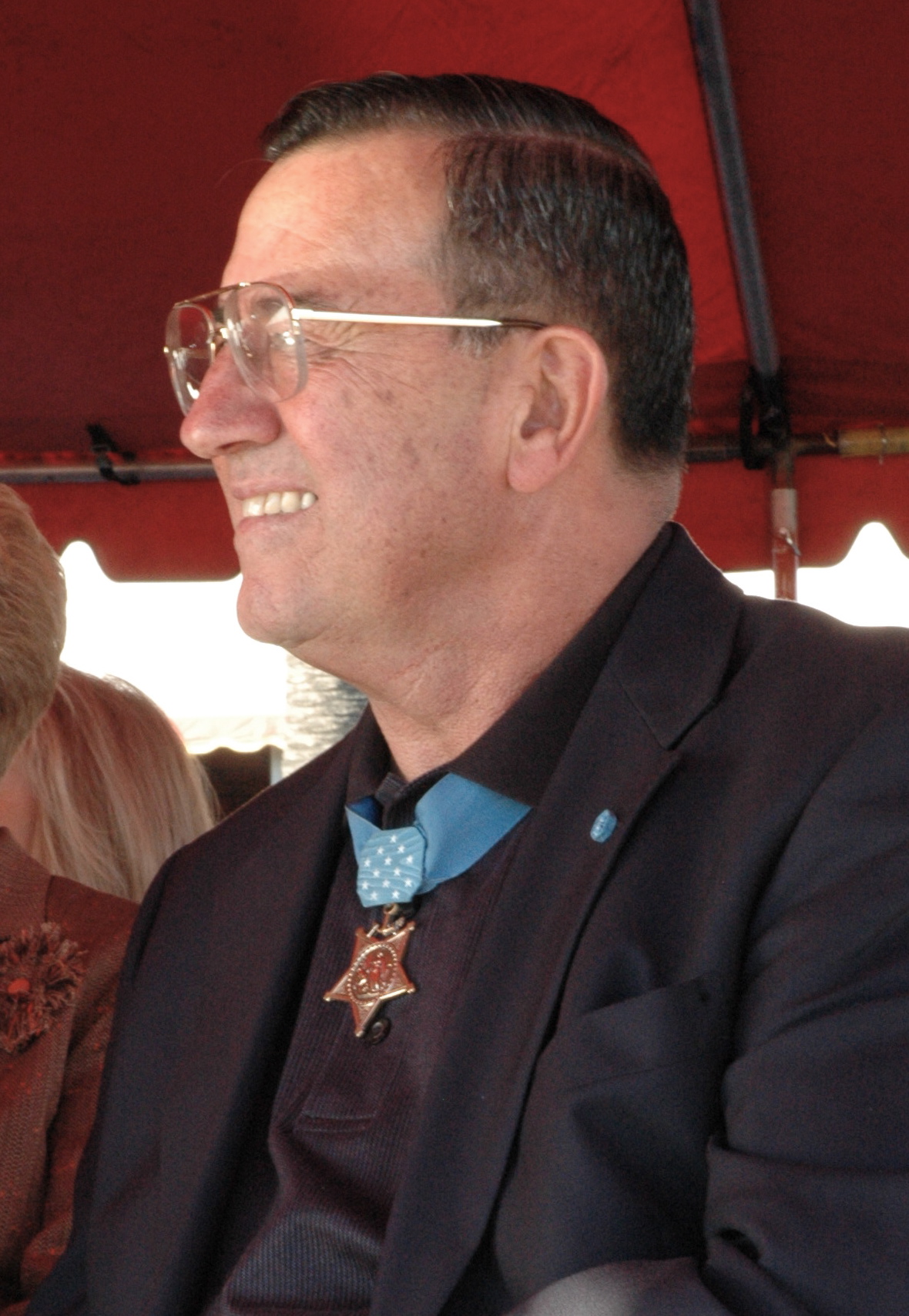
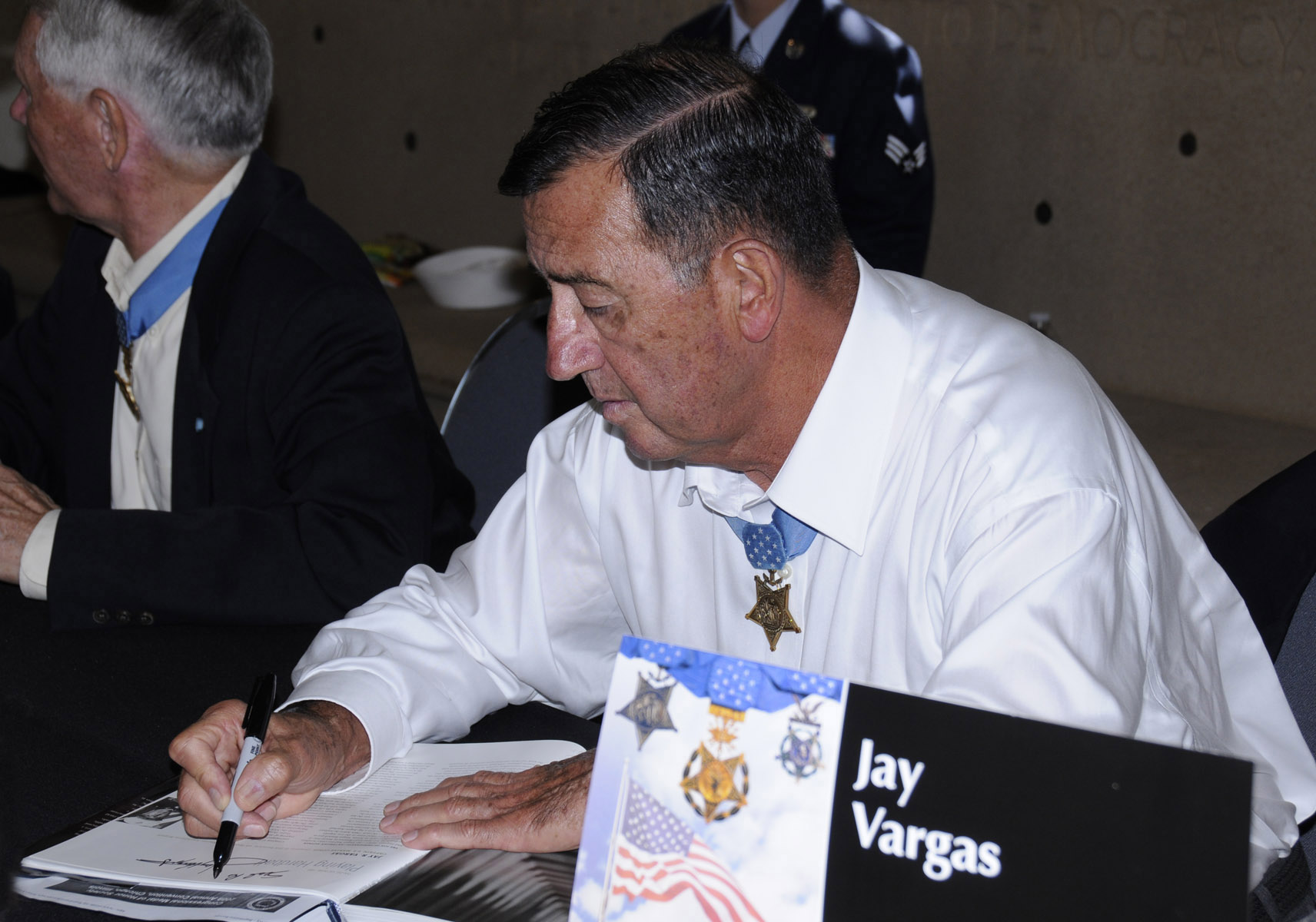
On December 3, 1971, President Richard Nixon presented Captain Jay Vargas with the Medal of Honor. The citation read in part: "By his brilliant leadership, indomitable courage, and selfless devotion to duty, Captain Vargas upheld the highest traditions of the Marine Corps and the United States Naval Service."
The three-year delay between action and recognition was typical for Vietnam-era awards, as military bureaucracy struggled to process the enormous number of heroic actions from that conflict. But for Marines who served with Vargas, the medal simply confirmed what they already knew.
Similar to how Sammy Davis earned recognition for his Vietnam heroism, Vargas's medal represented not just individual courage, but the collective sacrifice of all Marines who fought in Hue's ancient streets.
Legacy of a Marine Legend
After Vietnam, Vargas continued his Marine Corps career, eventually retiring as a Colonel. His leadership during the Hue fighting became a case study in urban warfare tactics, influencing how Marines would train for future city battles from Fallujah to Mosul.
The Battle of Hue ultimately lasted 26 days, but Company G's seven-day stand in the Citadel proved that determined Marines could hold any position, no matter the odds. Vargas's example of wounded leadership inspired countless Marines in subsequent conflicts.
Today, military historians recognize the Hue fighting as a turning point in American understanding of urban warfare. The lessons learned in those ancient courtyards, paid for with Marine blood and courage, continue to save lives in modern conflicts.
Captain Jay Vargas proved that even in the chaos of urban combat, individual leadership can change the course of battle. His story reminds us why we study these heroes — not just to honor their sacrifice, but to understand how ordinary people can achieve extraordinary things when their fellow warriors depend on them. What stories of courage from your family's military service inspire you? Share them in the comments below.