The Quiet Heroes of Artillery: Why Gun Crews Get Overlooked
When we think of Medal of Honor recipients, our minds often drift to the infantry — riflemen charging enemy positions or medics braving bullets to save lives. But artillery crews faced their own unique hell in Vietnam, manning massive guns that made them prime targets for enemy mortars and rockets.
Firebase operations in 1967 Vietnam were deadly chess matches. Artillery crews worked around the clock, sending shells downrange to support infantry operations miles away. But when the enemy struck back, these gun crews found themselves in desperate firefights with nowhere to run.
The 42nd Artillery knew this reality all too well. Their howitzers were lifelines for American troops across the battlefield, but that made their firebase a bullseye for North Vietnamese and Viet Cong forces looking to silence the big guns.
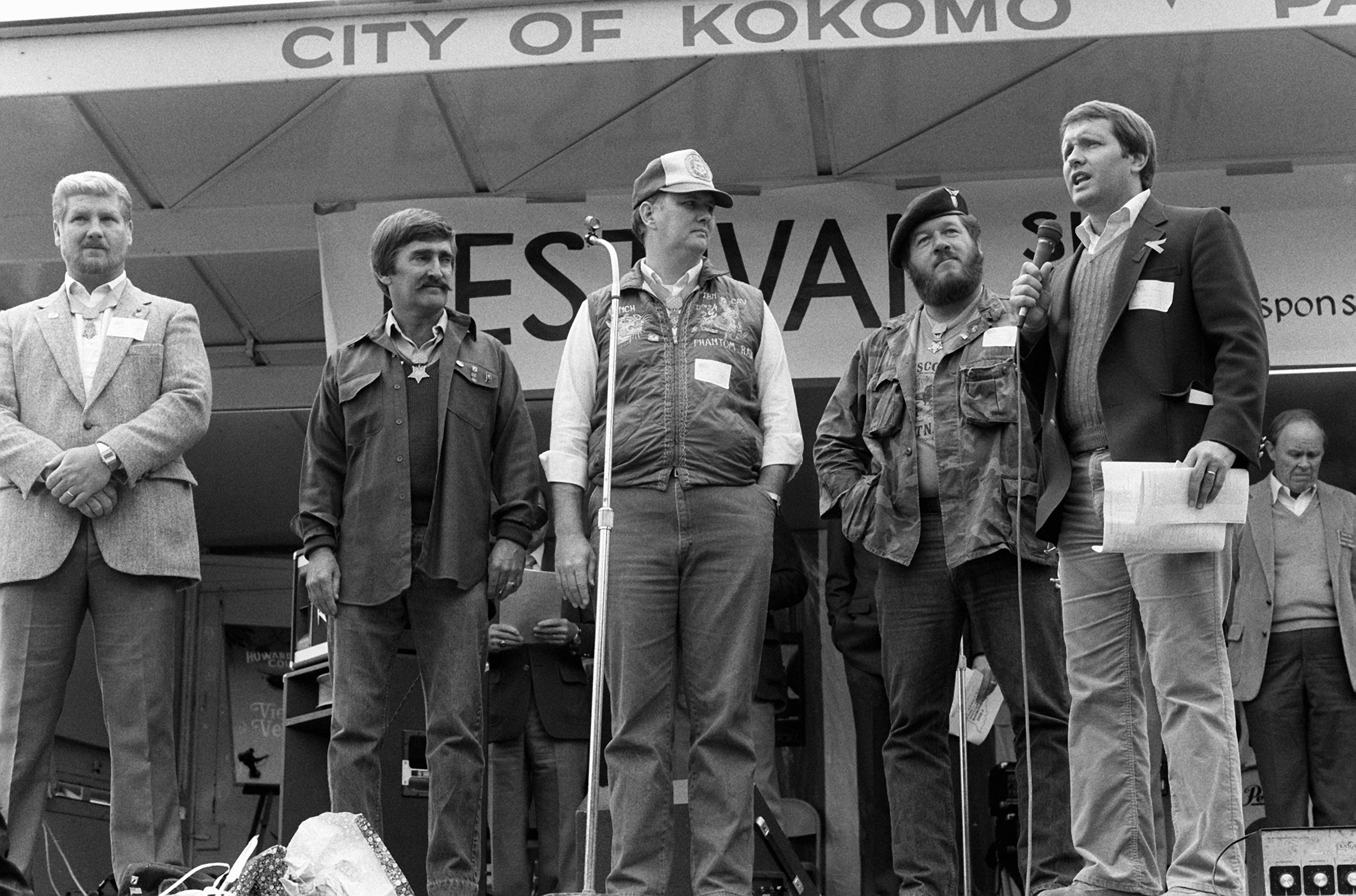
Sammy Davis: The Young Soldier from Illinois
At just 21 years old, Sammy Davis embodied the spirit of a generation called to serve. This young man from Illinois had traded small-town life for the steaming jungles of Vietnam, where he served as an artilleryman with Battery C, 2nd Battalion, 4th Artillery.
Davis wasn't looking for glory — few soldiers ever are. He was simply doing his job, serving his country, and looking out for his fellow soldiers. His artillery training had taught him precision, teamwork, and the importance of never leaving a man behind.
Like so many Vietnam veterans, Davis would soon discover that courage isn't something you're born with. It's something that emerges when everything goes wrong and you have to choose between safety and doing what's right.
November 18, 1967: When Everything Went Wrong
The morning started like any other at Firebase Cudgel, but by afternoon, all hell had broken loose. North Vietnamese forces launched a coordinated attack that caught Davis's unit in a devastating crossfire of mortar rounds and machine gun bullets.
Within minutes, American soldiers were pinned down 75 meters away from Davis's position. The deadly accurate enemy fire made rescue seem impossible — anyone who moved across that open ground would be cut down instantly.
That's when Sammy Davis made the decision that would define his life. While others calculated the odds of survival, this young artilleryman saw only wounded Americans who needed help. The math was simple: his brothers-in-arms were dying, and he was going to save them.
75 Meters Under Fire: The Rescue Mission
Davis grabbed a medical kit and sprinted across 75 meters of open ground while enemy bullets whined past his ears. Mortars exploded around him, sending dirt and shrapnel flying, but he kept running toward his pinned-down platoon.
His artillery training served him well in ways no manual had ever described. The same steady hands that loaded howitzer shells now applied bandages and tourniquets. The same tactical thinking that calculated firing solutions now planned rescue routes under fire.
One by one, Davis began dragging wounded soldiers to safety. Each trip across that deadly ground was a gamble with death, but he kept going back. That medical kit became a lifeline for soldiers who thought they'd never see home again.
Wounded but Unbroken: The Ultimate Sacrifice
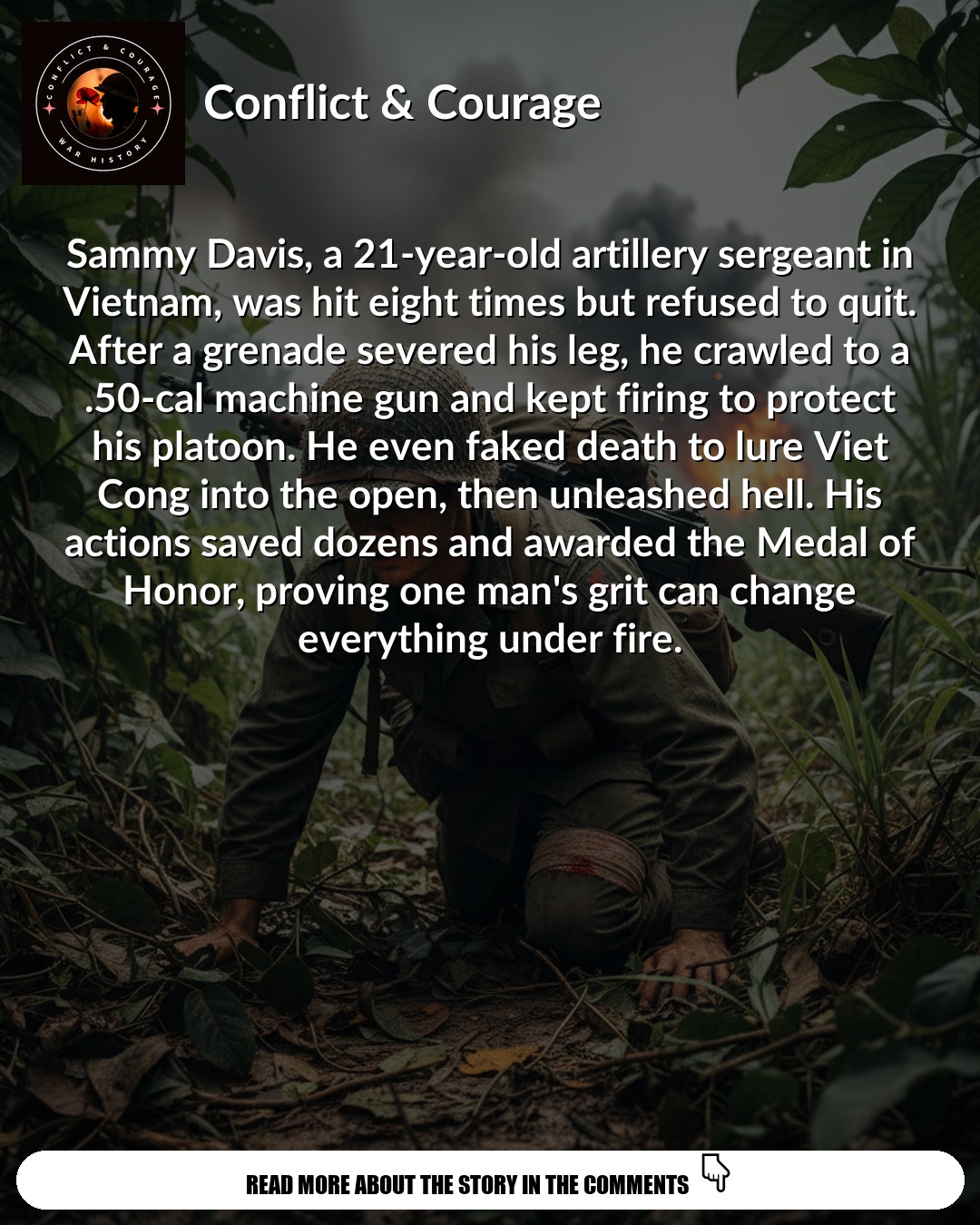
Enemy bullets found their mark, tearing through Davis's back and leg. Blood soaked his uniform, but he refused to stop. Pain was just another obstacle to overcome, another challenge between him and the soldiers who needed his help.
Then came the grenade blast that changed everything. The explosion tore off his right leg below the knee, leaving him crawling through the dirt and debris. When medics tried to evacuate him, Davis waved them off with words that would echo through military history: "I'm not going anywhere until my men are safe."
This wasn't bravado or machismo — it was pure, selfless determination. Davis had started a mission, and he intended to finish it, regardless of the cost to himself.
Playing Dead to Save Lives
What happened next showcased tactical brilliance born from desperation. Davis realized that if he played dead, enemy gunners might expose themselves while trying to finish him off. It was a dangerous gamble, but it might give other rescuers the chance they needed.
Lying motionless with blood pooling around his severed leg, Davis waited for enemy fighters to take the bait. When they revealed their positions, American forces could target them, creating windows of opportunity to reach more wounded soldiers.
Even as a one-legged casualty, Davis continued coordinating rescue efforts. His voice guided other soldiers to safety while he remained exposed as human bait. It was courage that transcended physical limitation.
The Medal of Honor and Beyond
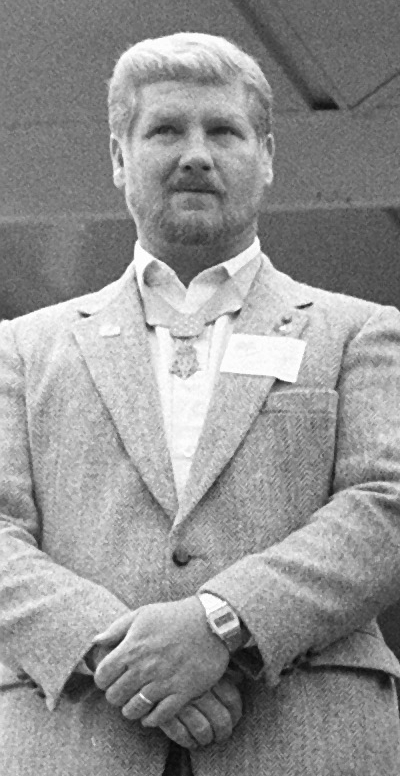
President Lyndon Johnson presented Sammy Davis with the Medal of Honor on November 19, 1968 — exactly one year after his heroic actions. The ceremony honored not just individual bravery, but the spirit of service that defined a generation.
Davis's recovery was long and difficult, but he rebuilt his life with the same determination he'd shown on that Vietnamese battlefield. His story became an inspiration for other Vietnam veterans who fought their own battles with physical and emotional wounds.
Today, artillery veterans look to Davis's example as proof that their service mattered just as much as any infantry hero's. His Medal of Honor represents every gun crew member who served with honor in America's longest war.
Sammy Davis showed us that heroism isn't about the weapon you carry or the unit you serve with — it's about the choice you make when your fellow Americans need you most. Have you heard other stories of artillery heroes from Vietnam? Share them in the comments below, and let's honor these quiet professionals who served with such distinction.