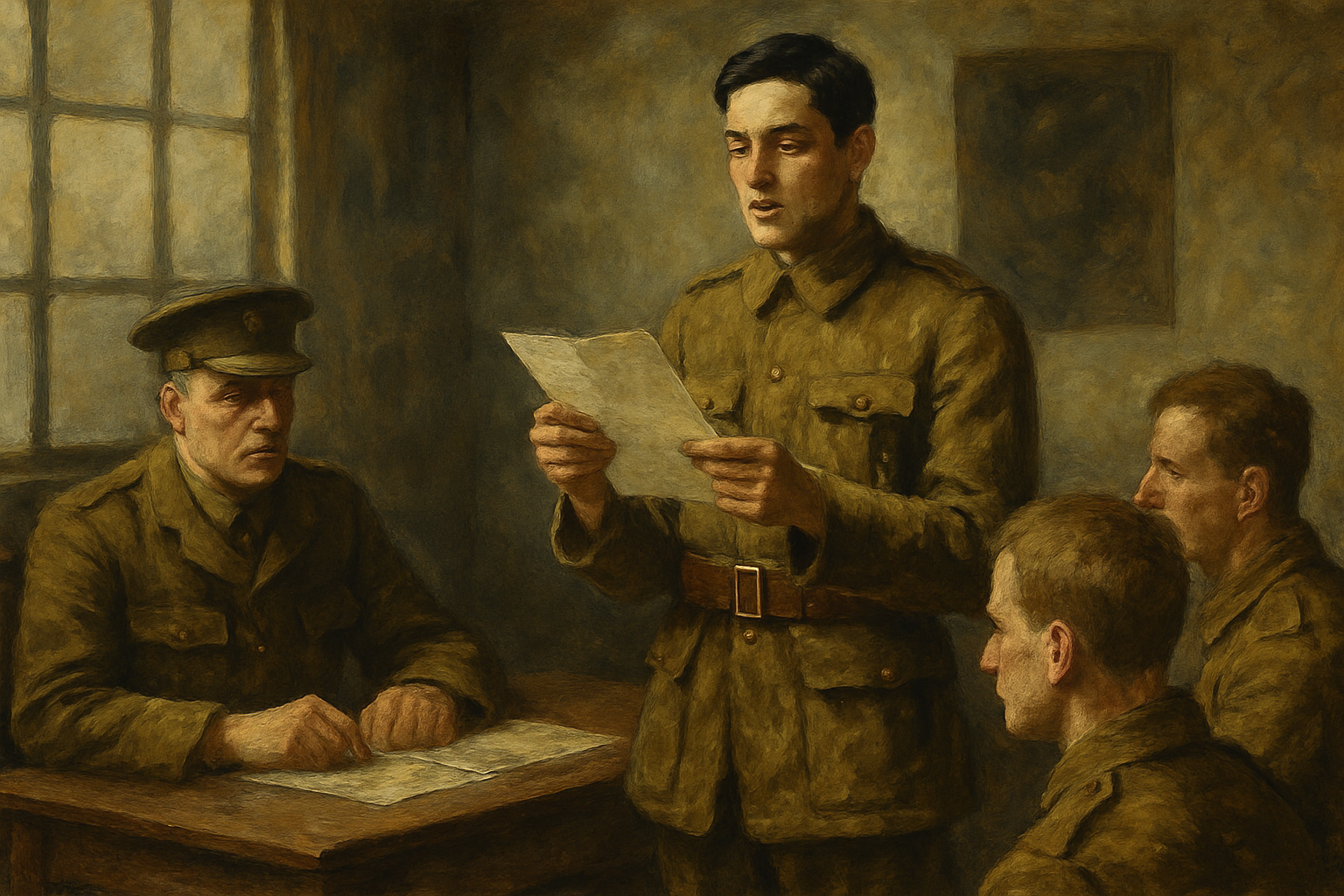
Some stories of American heroism get buried not by enemy fire, but by the color of a man's skin. Staff Sergeant Melvin Morris proved his courage beyond question in the jungles of Vietnam, yet his nation took 45 years to properly honor his sacrifice.
This is the story of a Green Beret who embodied everything special about America's elite forces—and how institutional racism nearly erased his legacy forever.
The Forgotten Hero of Chi Lang
September 17, 1969. The thick canopy near Chi Lang, South Vietnam, offered little comfort to Staff Sergeant Melvin Morris and his Green Beret team as they moved deeper into enemy territory. At just 21 years old, Morris carried the weight of leadership that few soldiers ever experience.
His mission seemed straightforward on paper: locate and engage North Vietnamese forces threatening allied positions. But in the reality of Vietnam's dense jungle warfare, nothing was ever simple. Morris and his men were about to face a trial by fire that would test every ounce of their elite training.
What happened next would remain classified and largely forgotten for nearly half a century—not because of military secrecy, but because America wasn't ready to celebrate a Black hero's extraordinary courage.
Under Fire: Morris's Impossible Choice
The enemy machine gun nest erupted without warning, its deadly chatter echoing through the jungle as Morris's squad dove for cover. Green tracers sliced through the humid air, pinning down his men in a kill zone where staying put meant certain death.
Morris faced the kind of decision that separates true leaders from everyone else. He could wait for support that might never come, or take action that would likely cost him his life. For this young Green Beret, there was really no choice at all.
Grabbing his grenades, Morris charged directly at the machine gun position. Enemy fire tore through his uniform and shrapnel ripped into his body, but he pressed forward. One by one, his grenades found their mark, silencing the deadly nest and saving his squad.
But Morris's fight was far from over.
No Man Left Behind: The Ultimate Sacrifice
As the smoke cleared, Morris spotted his wounded comrades trapped in the open, still under enemy fire. The Green Beret creed is absolute: no man left behind. Despite his own injuries and the continued threat, Morris made a decision that defined his character forever.
He charged back into the kill zone—not once, but repeatedly—to recover his fallen soldiers. Each trip meant facing fresh enemy fire, each step a potential death sentence. But Morris refused to abandon his men to the jungle.
This wasn't just physical courage; it was the kind of moral bravery that transforms ordinary soldiers into legends. Morris embodied everything the Green Berets represented: skill, determination, and an unbreakable bond with his brothers in arms.
The emotional toll of carrying wounded comrades to safety while under fire would haunt Morris for decades. Yet he never once questioned his actions that day.
Classified Reports and Lesser Awards
What happened next reveals one of the most shameful chapters in American military history. Morris's heroic actions—which clearly merited the Medal of Honor—were deliberately downgraded by military officials who couldn't envision a Black soldier wearing America's highest combat decoration.
Instead, Morris received the Bronze Star, a respectable award that fell far short of recognizing his extraordinary valor. His after-action reports were classified, ensuring his story would remain buried in military files rather than celebrated in American history.
Meanwhile, white soldiers who performed similar acts of heroism routinely received Medals of Honor. The pattern was unmistakable and heartbreaking: institutional racism was robbing deserving Black veterans of their rightful place in military history.
The Green Berets: America's Elite Warriors
To understand Morris's achievement, you need to appreciate what made the Special Forces so effective in Vietnam. These weren't ordinary soldiers—they were warrior-scholars trained in everything from languages to demolitions, capable of operating independently behind enemy lines for weeks.
The Green Berets attracted a special breed of soldier, men who thrived under pressure and formed bonds stronger than family. In combat, racial prejudices that plagued broader society often melted away, replaced by the simple truth that your life depended on the soldier next to you.
Morris exemplified this elite mindset. His actions near Chi Lang weren't just brave—they were the product of rigorous training, sharp tactical thinking, and the kind of leadership that saves lives when everything goes wrong.
45 Years Later: Justice Finally Served
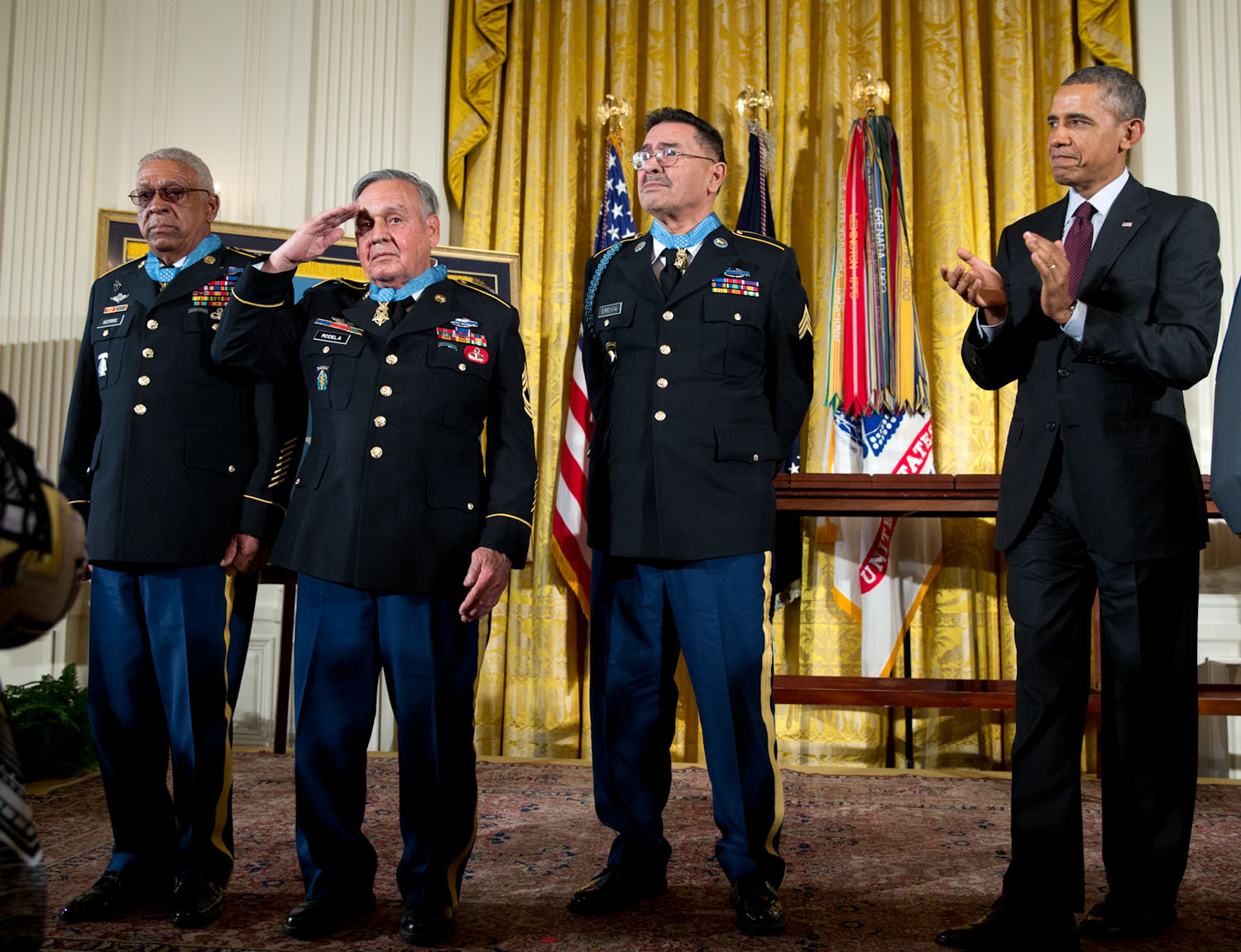
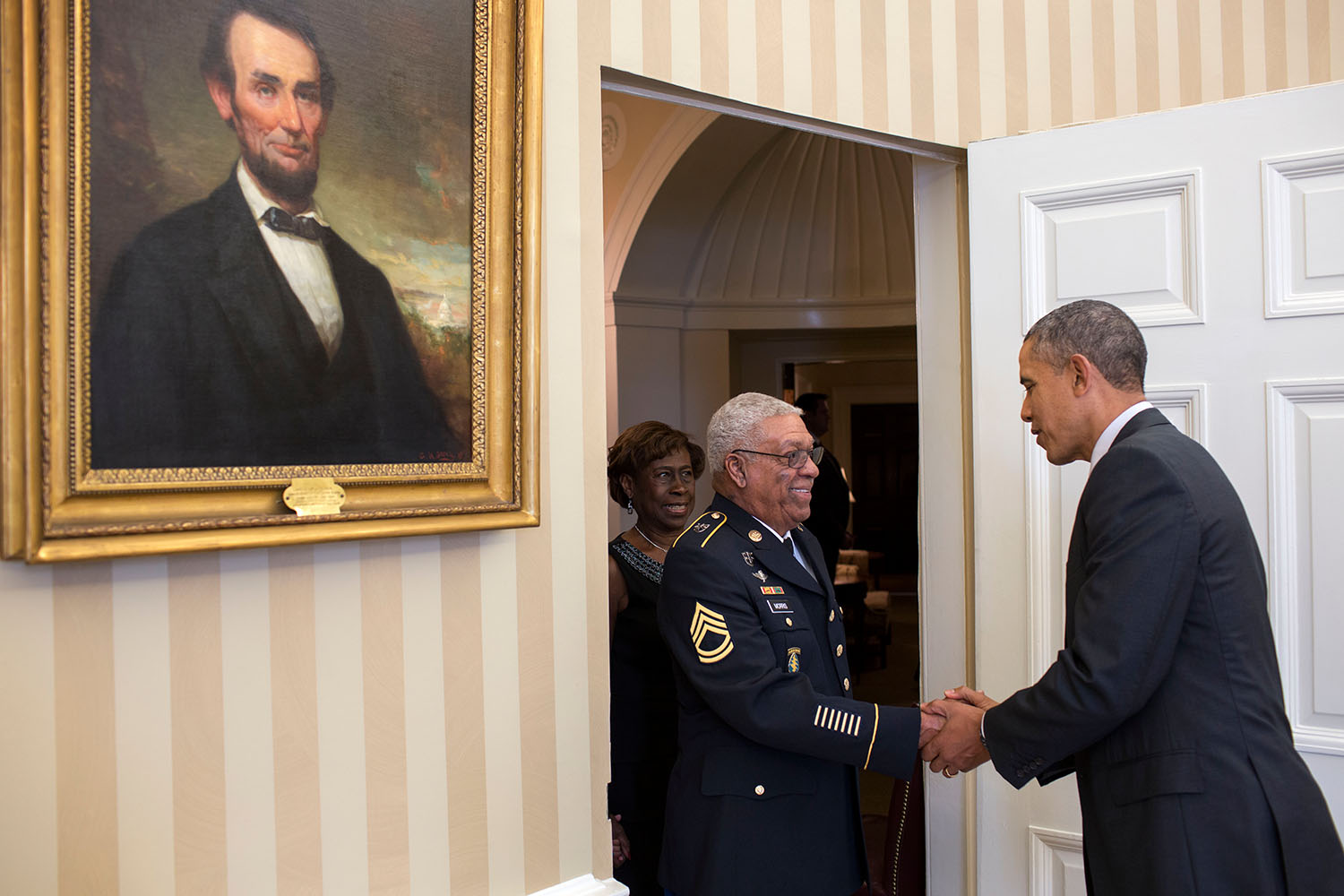
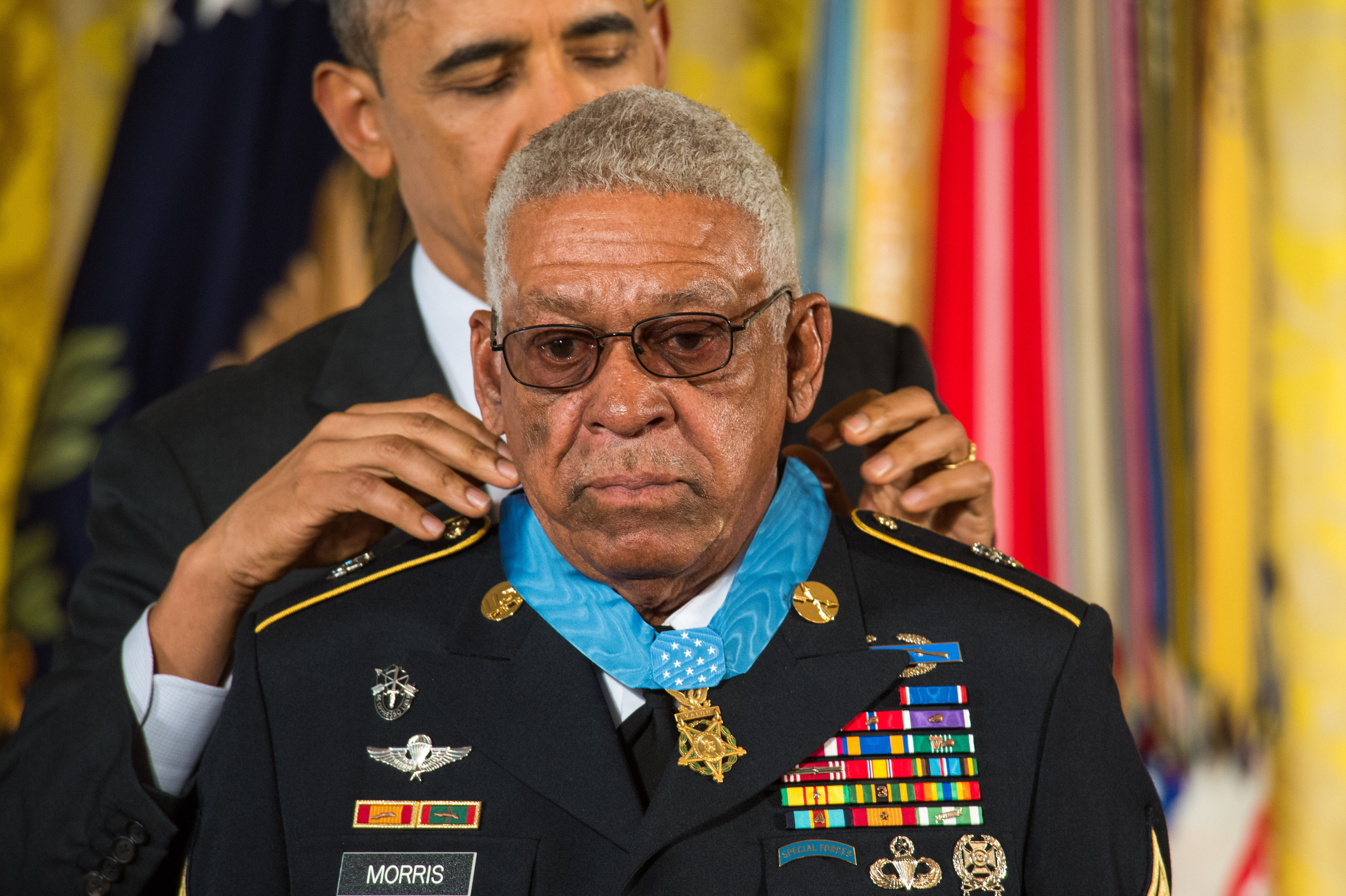
March 18, 2014. The East Room of the White House buzzed with anticipation as President Barack Obama prepared to right a historical wrong. After decades of being overlooked, Morris—now 66—would finally receive the Medal of Honor he'd earned as a young soldier.
Obama's words that day were powerful: "No nation is perfect, but here in America, we confront our imperfections and face a sometimes painful past, including the truth that some of these soldiers fought and died for a country that did not always see them as equal."
Morris stood with quiet dignity as the medal was placed around his neck, his grace and humility evident after 45 years of being ignored. His story wasn't unique—dozens of other Black veterans had been similarly overlooked, their heroism relegated to classified files and forgotten memories.
Legacy of Courage: Lessons for Today
Morris's story forces us to confront uncomfortable truths about American history. How many other heroes were denied recognition because of their race? How many extraordinary acts of courage remain buried in military archives?
The modern military has made tremendous strides in addressing these injustices. Today's armed forces actively work to ensure all heroes receive proper recognition, regardless of background. But Morris's 45-year wait serves as a sobering reminder of how far we've come—and how vigilant we must remain.
Perhaps most importantly, Morris's story teaches us that true heroism transcends recognition. For 45 years, he carried himself with dignity, never bitter about the system that failed him, never demanding the spotlight he deserved.
That quiet strength may be his greatest lesson of all.