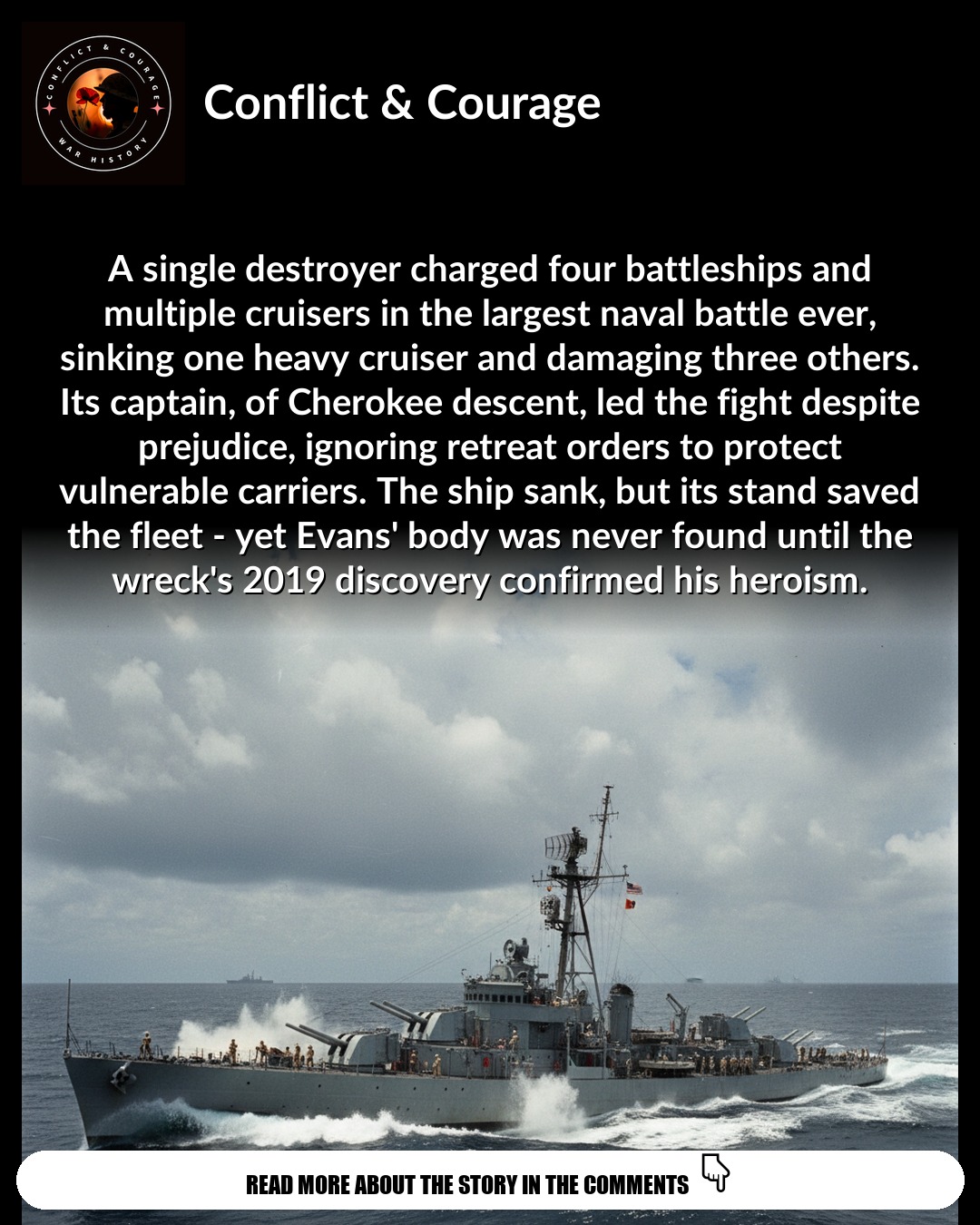
October 25, 1944, off the coast of the Philippines. What should have been a routine morning patrol became one of the most legendary naval battles in American history. The odds were impossible, the enemy overwhelming, and one Cherokee captain was about to prove that courage comes in all sizes.
The Morning That Changed Everything
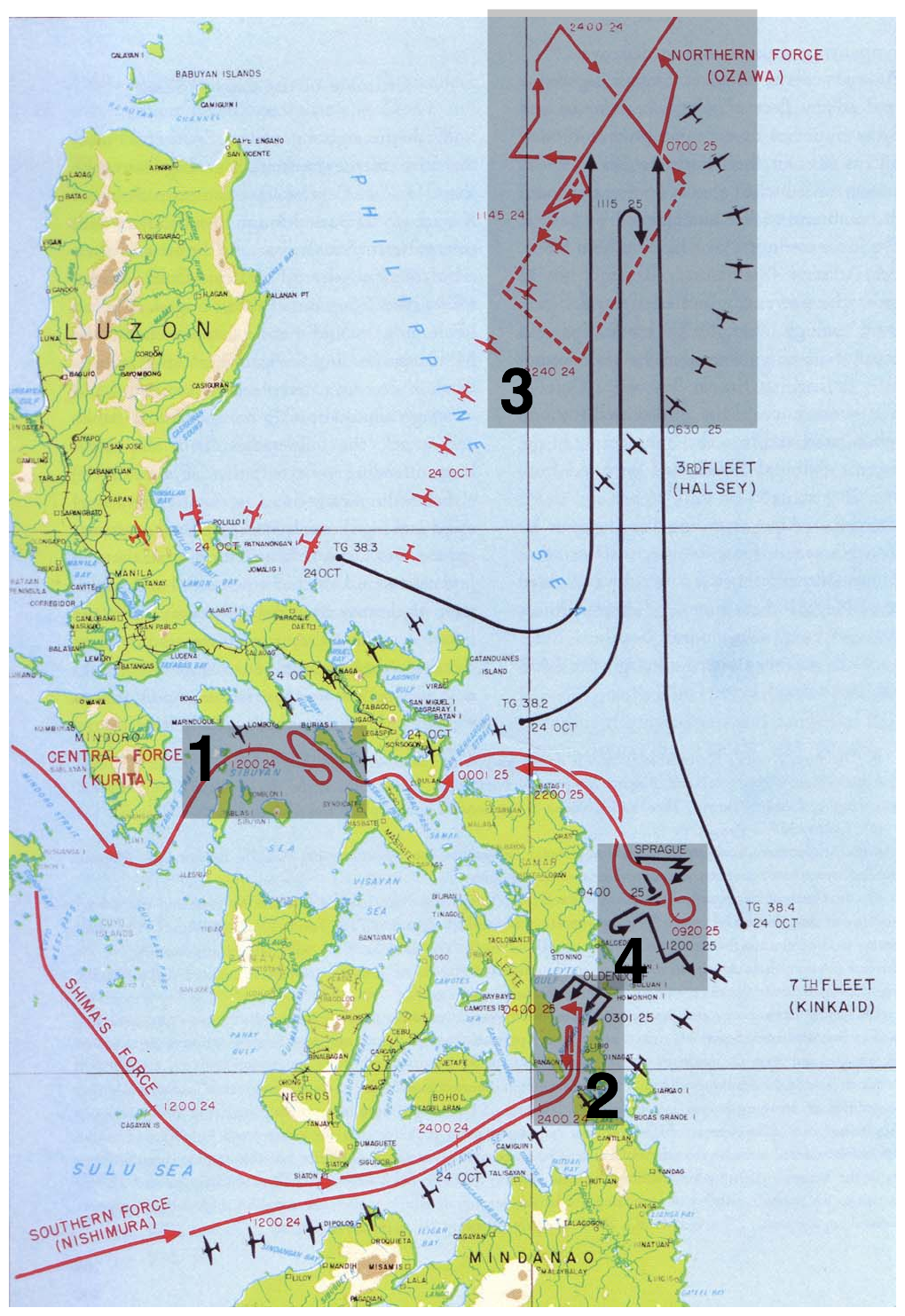
At dawn on October 25, 1944, the escort carriers of Taffy 3 were conducting routine operations off Samar Island. These "baby flattops" were never meant to face enemy warships — they were built to support ground troops and hunt submarines, not fight battles.
Then the horizon erupted in pagoda-shaped silhouettes. Admiral Kurita's Center Force had slipped through the night undetected: four battleships, eight heavy cruisers, and numerous destroyers. The Japanese force outgunned Taffy 3 by an astronomical margin.
It should have been a massacre. The escort carriers could barely outrun a destroyer, let alone battleships. Their thin hulls and flight decks offered no protection against armor-piercing shells. Every tactical manual would have called this a hopeless situation.
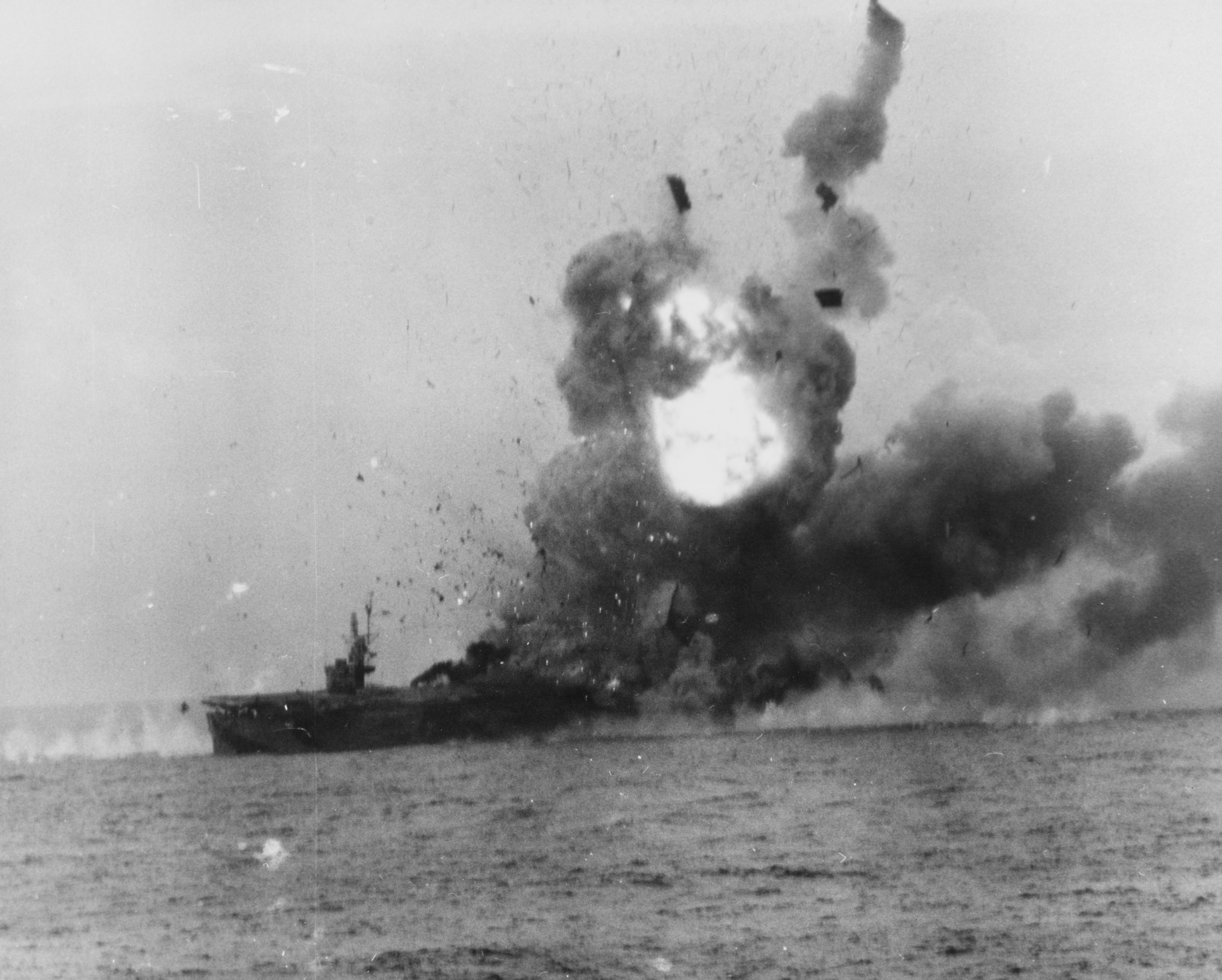
Captain Ernest Evans: The Man Behind the Legend
Captain Ernest Edwin Evans brought something special to the bridge of USS Johnston. Part Cherokee and proud of his heritage, Evans had spent his naval career preparing for exactly this moment — though no one expected it to come against such overwhelming odds.
Evans had earned his crew's respect through previous actions in the Pacific. His leadership philosophy was simple and direct: "We're going in harm's way." He never asked his men to do anything he wouldn't do first, and he'd proven that courage was his defining characteristic.
At 39 years old, Evans commanded a Fletcher-class destroyer that weighed 2,700 tons. Facing him were Japanese battleships displacing over 70,000 tons each. The Cherokee warrior in him saw this not as impossible odds, but as the ultimate test of will.
Against All Orders: The Decision to Attack
When Admiral Sprague ordered the fleet to retreat, every captain understood the logic. Run, fight a delaying action, hope for miracles. Evans heard those orders — and chose to ignore them.
Over the ship's intercom, Evans announced his intentions: "A large Japanese fleet has been contacted. They are fifteen miles away and headed in our direction. They are believed to have four battleships, eight cruisers, and a number of destroyers. This is going to be a fighting ship. I intend to go in harm's way."
It was tactical suicide. A destroyer attacking battleships violated every principle of naval warfare. But Evans understood something his training manuals didn't: sometimes the impossible decision is the only right one.
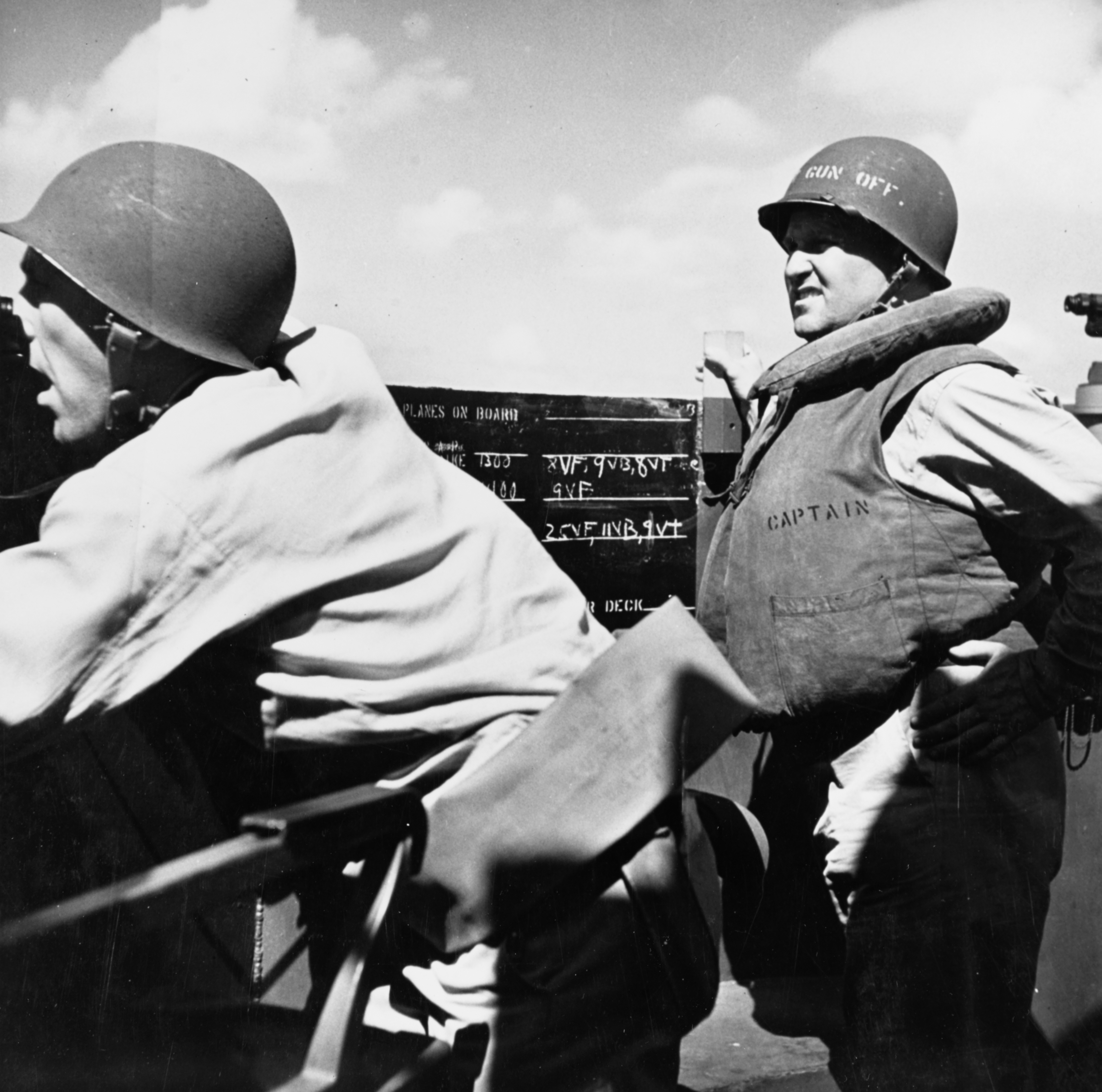
David vs Goliath: Johnston Takes on the Japanese Fleet
Johnston charged alone across eighteen miles of open ocean, black smoke pouring from her stacks as she built to flank speed. Evans was betting everything on one torpedo run and the shock value of pure audacity.
The destroyer's 5-inch guns couldn't penetrate battleship armor, but they could cause problems. More importantly, Johnston's ten Mark 15 torpedoes could sink anything afloat — if they could get close enough to launch them.
The gamble paid off spectacularly. Johnston scored direct torpedo hits on the heavy cruiser Kumano, blowing off her bow and knocking her out of the battle. A 2,700-ton destroyer had just maimed a 15,000-ton heavy cruiser. David's stone had found its mark.
The audacious attack threw the entire Japanese battle line into confusion. Ships began turning to avoid torpedo tracks, breaking formation and losing precious time. One small destroyer had disrupted an entire fleet.
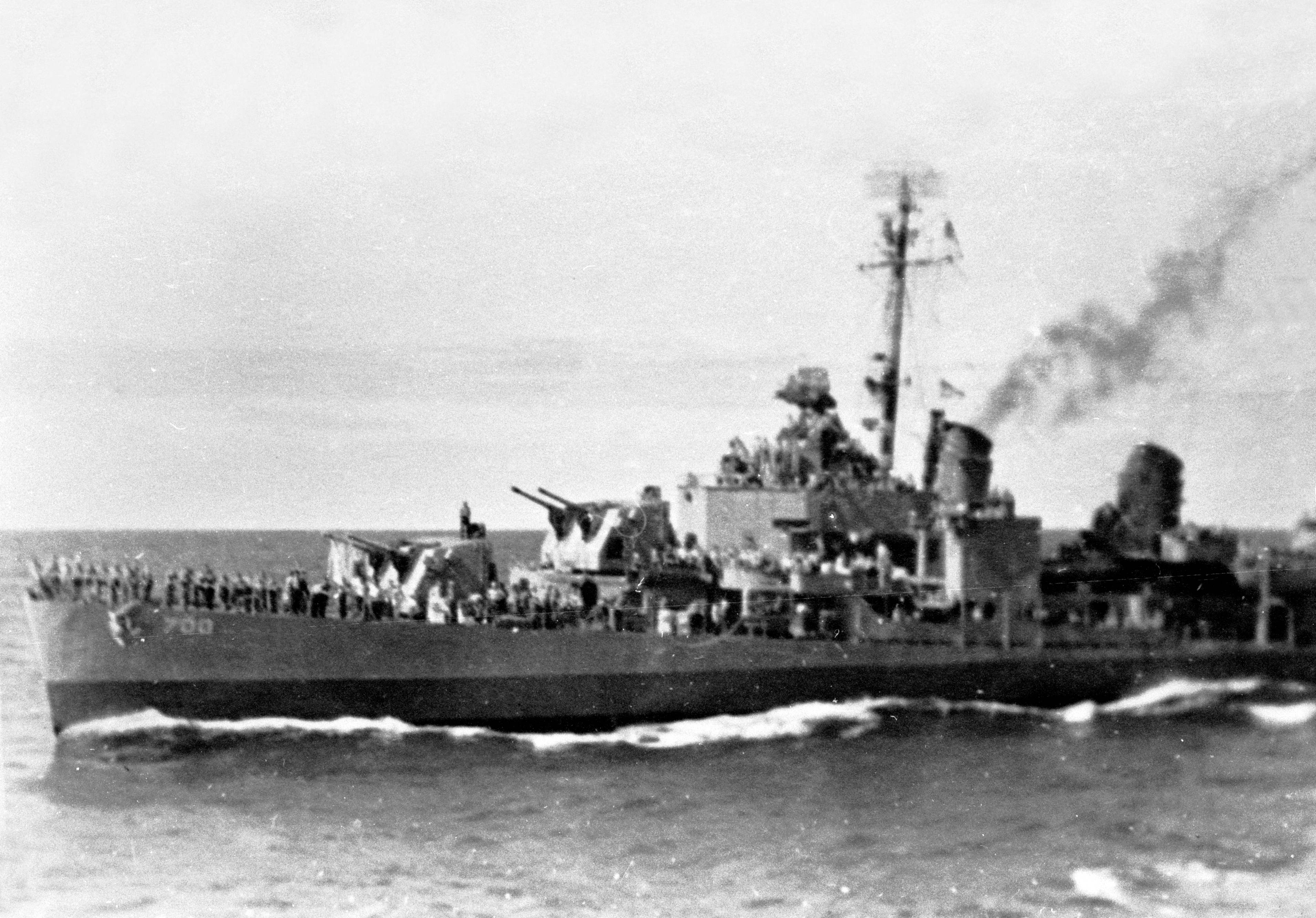
The Final Stand: Fighting Until the End
Johnston's initial success came at a terrible price. Japanese shells rained down on the destroyer, knocking out engines, guns, and systems. Shrapnel wounded Evans, but he refused to leave his bridge.
For over an hour, the battered destroyer continued fighting. With main power lost, crews hand-loaded the remaining operable guns. Steam poured from ruptured pipes, and the ship listed heavily as compartments flooded.
Evans fought his ship until the very end. When Johnston finally began her death roll, he was last seen on the bridge, going down with his command. Like other naval heroes before him, Evans chose duty over survival.
Why Johnston's Charge Saved Taffy 3
Johnston's seemingly suicidal attack had strategic consequences far beyond one ship's sacrifice. The destroyer's aggressive charge convinced Japanese commanders they faced a much larger force than anticipated.
Admiral Kurita, already rattled by previous air attacks, interpreted the fierce resistance as evidence of a major fleet engagement. The time Johnston bought allowed other Taffy 3 ships to organize their defense and call for help.
Most remarkably, Kurita ordered his fleet to withdraw just as victory seemed assured. Johnston's David vs Goliath moment had helped turn certain defeat into one of history's most unlikely naval victories.
Legacy of Courage: Remembering the Johnston
Captain Evans received the Medal of Honor posthumously, though the award could never capture the full measure of his sacrifice. His decision to charge alone against impossible odds embodied the highest traditions of naval service.
In 2019, explorers found Johnston's wreck in over 20,000 feet of water — the deepest shipwreck ever discovered. The Cherokee captain's final resting place serves as a steel monument to courage under fire.
Today, Johnston's story continues inspiring naval officers and historians alike. The Battle of Samar proved that in warfare, heart often matters more than firepower, and sometimes the smallest ships cast the longest shadows.
What do you think drove Captain Evans to make such an incredible sacrifice? Share your thoughts about this remarkable David vs Goliath story, and let us know about other naval heroes who inspire you. These stories of courage deserve to be remembered and retold.