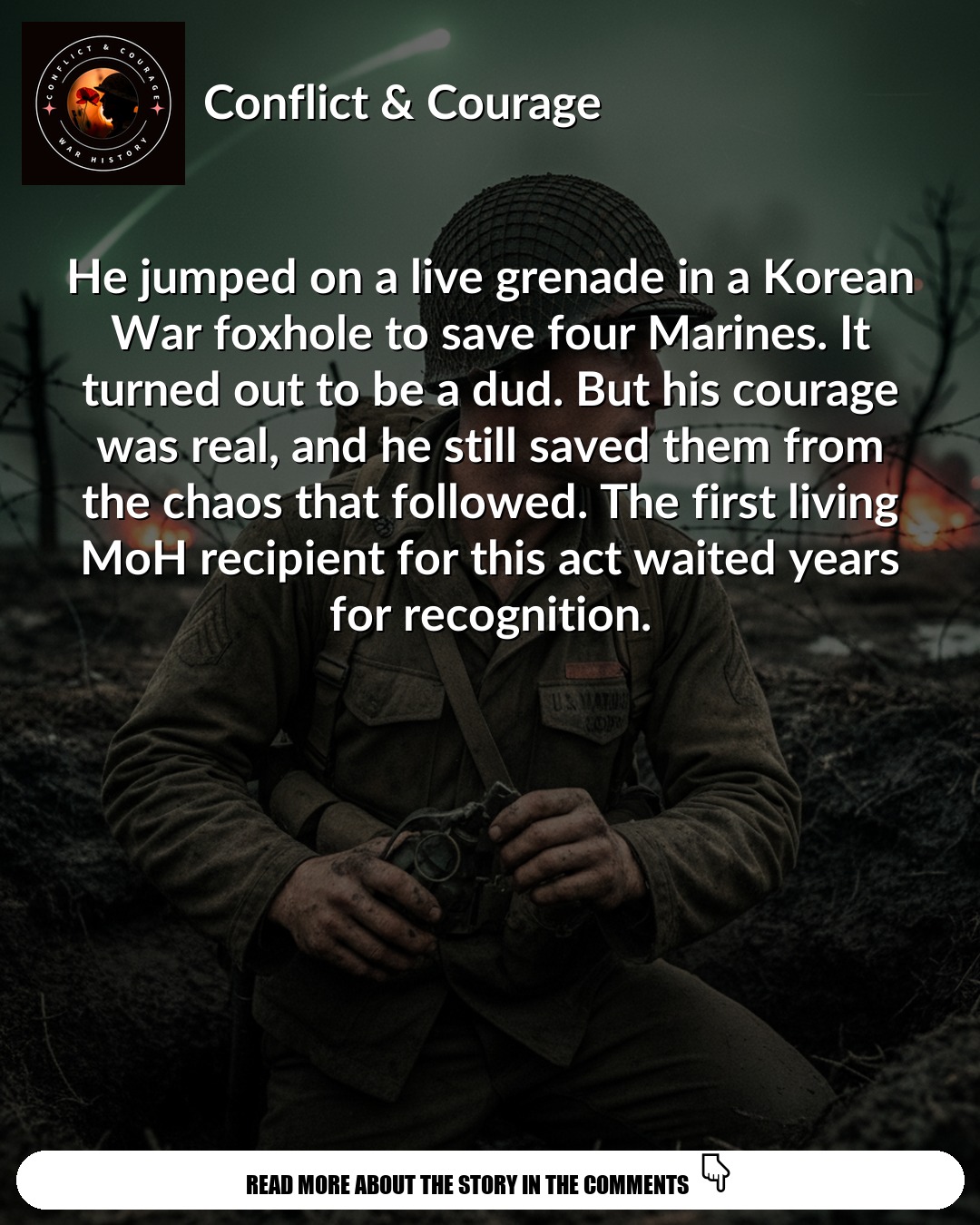
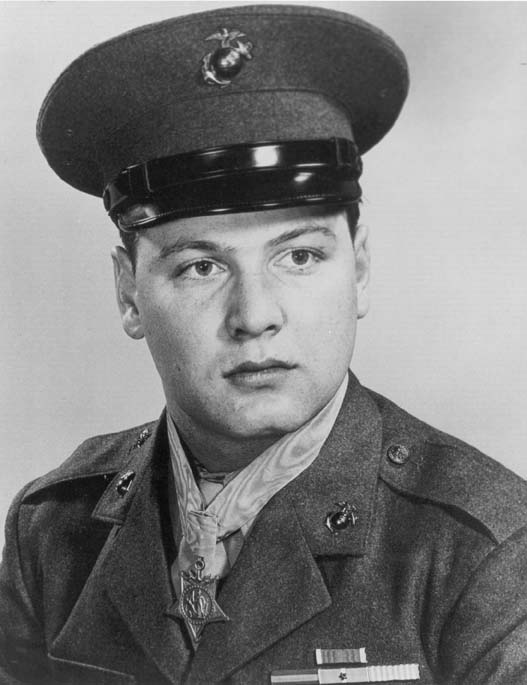
Picture this: You're nineteen years old, huddled in a frozen foxhole in Korea, when a live grenade lands between you and four buddies. Most heroes in these stories die saving their comrades. Duane Dewey jumped on that grenade anyway—and lived to tell about it.
His story should have been front-page news. Instead, the Marine Corps buried it in classified files for decades. Why hide such an incredible act of courage?
The Night Everything Went Wrong in Korea
April 16, 1952. The Chinese forces launched a massive night assault on Marine positions near Panmunjom. In the darkness, Private First Class Duane Dewey found himself sharing a cramped foxhole with four fellow Marines as enemy troops swarmed their defensive line.
Night fighting in Korea was pure terror. You couldn't see who was shooting at you or where the next attack would come from. Chinese forces excelled at these surprise assaults, using darkness to mask their movements and create chaos among American positions.
The sound of incoming artillery mixed with small arms fire as Dewey and his squad mates hunkered down. In war, split-second decisions separate the living from the dead—and Dewey was about to face the ultimate test.
Four Seconds to Live or Die
Then it happened. A Chinese grenade arced through the darkness and landed with a metallic thunk right in the middle of their foxhole. Five Marines stared at the deadly device, knowing they had maybe four seconds before it turned them all into casualties.
Most people freeze in moments like this. Not Dewey. Without hesitation, he grabbed the grenade and sprinted outside the foxhole, desperate to get the blast away from his buddies.
Finding nowhere else to go, Dewey made the ultimate sacrifice. He placed his steel helmet over the grenade and threw his body on top, preparing to absorb the full force of the explosion. He was nineteen years old and certain he was about to die.
When Fate Intervenes: The Dud That Changed Everything
The grenade never exploded. After what felt like an eternity pressed against that cold metal, Dewey realized he was still breathing. The device was a dud—faulty munitions that occasionally saved lives in the brutal mathematics of war.
But the night wasn't over. As Dewey lay there, shrapnel from another explosion tore into his body, wounding him severely. Despite his injuries, he had accomplished his mission: his four squad mates were alive.
Sometimes luck plays a role in survival, but it was Dewey's instant willingness to sacrifice himself that made the difference. The dud grenade saved his life, but his courage saved his brothers.
The Medal of Honor: America's Highest Military Decoration
The Medal of Honor isn't handed out lightly. It requires "conspicuous gallantry and intrepidity at the risk of life above and beyond the call of duty." Dewey's actions that night in Korea fit that definition perfectly.
Like other Medal of Honor recipients such as Desmond Doss, Dewey demonstrated extraordinary heroism in the face of certain death. His official citation recognized his selfless act of placing himself between a live grenade and his fellow Marines.
What makes Dewey's story unique is that he survived his Medal of Honor action. Most recipients of America's highest military decoration don't live to wear it.
The Mystery of the Classified Report
Here's where Dewey's story gets strange. The Marine Corps classified his full report for decades, keeping the details of his heroism locked away from the public. Why bury such an inspiring story of courage and survival?
During the Cold War era, military authorities sometimes classified heroic actions for operational security reasons. Perhaps details about Chinese tactics or American defensive positions needed protection. Or maybe the story was too good—too perfect an example of Marine Corps values.
Similar to John Bobo's classified story, many acts of heroism remained hidden for years, their full details emerging only after declassification revealed the complete picture.
Korea's Forgotten Heroes: Beyond the Headlines
Korea has always been America's "forgotten conflict"—sandwiched between the grand narrative of World War II and the controversy of Vietnam. Countless acts of heroism like Dewey's went unrecognized or buried in classified files.
The brutal reality of fighting Chinese forces in sub-zero temperatures created countless opportunities for heroism. Men like Jesse Brown and Tom Hudner showed incredible courage, but many more stories remained untold.
Dewey's story represents thousands of young Americans who faced impossible choices and chose to protect their brothers-in-arms, regardless of the cost to themselves.
Legacy of Courage: What Dewey's Story Teaches Us
True heroism isn't about seeking glory or recognition. It's about making the right choice when everything's on the line, even when no one's watching. Dewey didn't hesitate because he didn't have time to think about consequences—he just acted.
His story reminds us that ordinary people can find extraordinary courage under fire. A nineteen-year-old farm kid from Michigan became a legend in four seconds of selfless action.
Preserving these stories matters. They connect us to the sacrifices made by previous generations and inspire us to find our own courage when life demands it.
What do you think about Dewey's incredible story? Have you heard other tales of heroism from the Korean War that deserve more recognition? Share your thoughts in the comments below, and help us honor these forgotten heroes by sharing their stories with others who appreciate military history and courage under fire.